Brand Activations and Hospitality at Bank of America Stadium
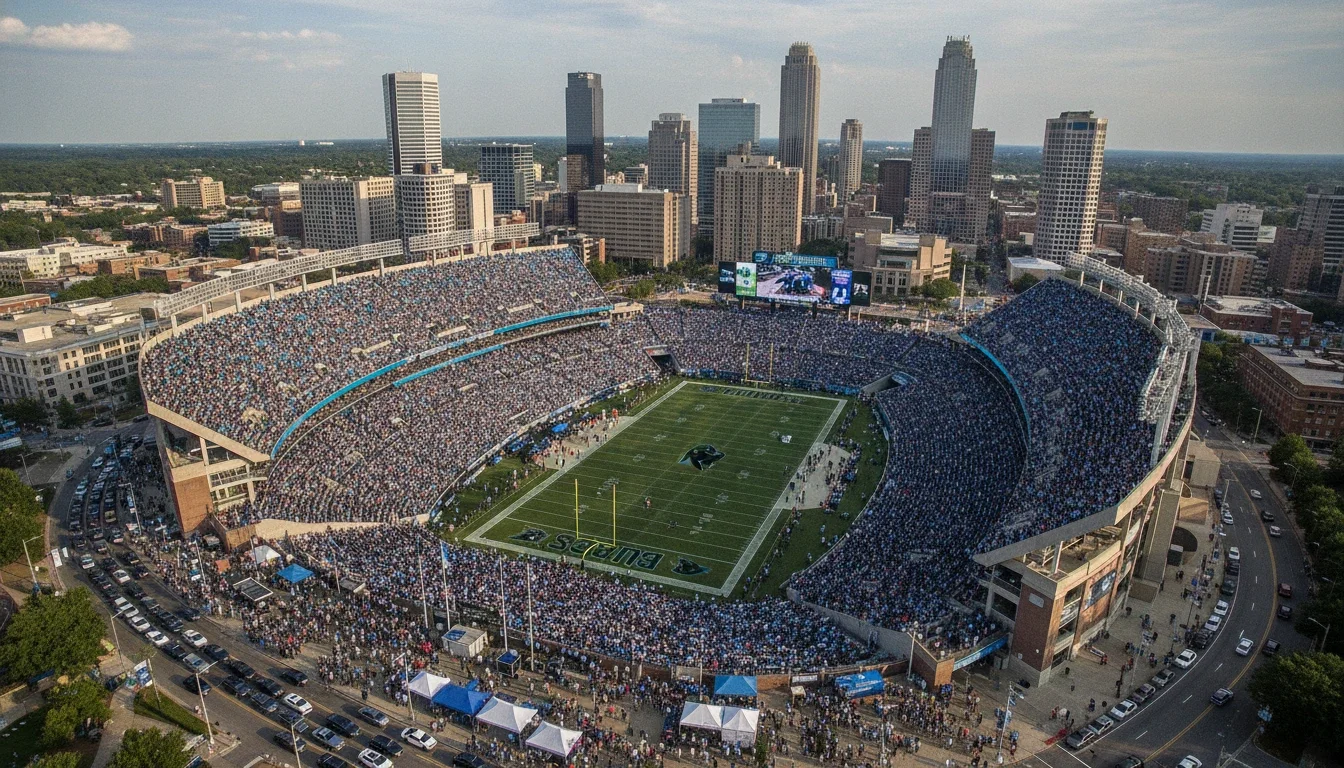
Aerial view of Bank of America Stadium in uptown Charlotte, North Carolina, on a busy game day
Bank of America Stadium is one of the most commercially active venues in the Southeast. With a capacity of 74,867 and a year-round event calendar that spans NFL football, MLS soccer, major concerts, and championship games, the stadium draws tens of thousands of consumers to uptown Charlotte on a regular basis — each one primed for brand interaction before, during, and after the event.
For brands and event planners, that kind of concentrated foot traffic is an opportunity. But executing a standout activation or hospitality program at a venue this size requires more than a pop-up tent and a few friendly faces. You need a clear plan, the right staff in the right roles, and the logistical discipline to execute cleanly in a high-pressure, high-traffic environment.
This guide breaks down exactly how to do that — from understanding the stadium’s activation zones and premium hospitality tiers to building the staff roster that makes a Charlotte game-day activation actually work.
Why Bank of America Stadium Is a Premier Brand Activation Venue
Not every stadium on the NFL circuit commands the same brand activation opportunity. BOA Stadium — colloquially known among Charlotte regulars as “The Bank” — punches above its weight for several reasons.
First, its location in uptown Charlotte puts it at the center of a rapidly growing metro market. The stadium sits within walking distance of South End, the city’s most commercially active corridor, and draws an audience that skews toward the 25-54 demographic brands most want to reach. Second, the venue hosts both NFL and MLS events, meaning the activation calendar runs well beyond the September-January football window. Charlotte FC’s home matches bring a different, younger, and increasingly passionate audience that responds exceptionally well to experiential marketing.
Third, the stadium’s ongoing renovation program — which has already delivered new video boards, a redesigned sound system, and upgraded concourse social areas — signals long-term venue investment that raises the ceiling for activation creativity.
Stadium Fast Facts Brands Need to Know
Seating capacity: 74,867
Location: 800 S Mint St., Charlotte, NC 28202 (uptown Charlotte)
Home teams: Carolina Panthers (NFL) and Charlotte FC (MLS)
Notable hosted events: Super Bowl (2004), CONCACAF Gold Cup (multiple), ACC Championship, major concert tours (Beyoncé, The Rolling Stones, Metallica, Kendrick Lamar)
Clear bag policy in effect — brands distributing merchandise or samples must plan accordingly
Box office and operations are staged from the southeast corner; activation permits typically coordinated through team front offices
The Multi-Sport, Multi-Event Opportunity
Brands that think of BOA Stadium as a football venue only are leaving activations on the table. Charlotte FC has built one of the more engaged supporter cultures in MLS, and match days carry a distinct energy that differs from NFL game days. For brands targeting younger consumers or those with an international reach, Charlotte FC event days offer a compelling, less saturated activation environment compared to Panthers Sunday games.
Concert events at the stadium represent a third distinct audience profile — music-driven, experience-first consumers who respond well to interactive brand moments. Mapping your activation strategy to the right event type is the first step toward maximizing return.
Mapping the Activation Zones at Bank of America Stadium
Understanding the physical layout of the stadium’s activation real estate is essential before you commit resources. BOA Stadium offers several distinct zones with different traffic patterns, dwell times, and audience engagement potential.
Exterior Plaza and Tailgate Territory
The exterior plazas immediately surrounding the stadium are the highest-volume, highest-energy activation zones on game day. Foot traffic peaks in the two hours before kickoff, with fans arriving from surrounding parking decks, rideshare drop-off zones, and the adjacent neighborhood corridors. This is prime territory for sampling campaigns, giveaway activations, contest mechanics, and branded photo moments.
Brands operating in exterior zones need to coordinate with Panthers Premium or the stadium operations team for permits and placement approvals. Staff in these zones should be high-energy, outbound-facing, and able to drive organic engagement without a hard sell.
Concourse-Level Activations
Once fans are through the gates, the concourse presents a secondary engagement opportunity. Dwell points — areas where traffic naturally slows, such as near food and beverage lines, merchandise locations, and restroom clusters — are where well-positioned staff can generate meaningful brand conversations. Concourse activations tend to work best for product education, loyalty program sign-ups, and digital engagement mechanics (QR code experiences, app downloads, social sharing prompts).
The South Lawn Village and Hospitality Tents
For corporate-facing events, the South Lawn Village area adjacent to the stadium hosts premium hospitality tent packages. These all-inclusive environments — which the Panthers organization also brands as Legends Row and Champions Village configurations — feature gourmet food and beverage, live entertainment, and appearances by Panthers entertainment groups.
For brands that want to host clients, partners, or VIP guests in a pre-game environment without the full expense of a luxury suite, a branded or co-branded hospitality tent package is a compelling option. The scale and energy of these environments make them ideal for corporate entertaining, media events, and high-touch client relationship programs.
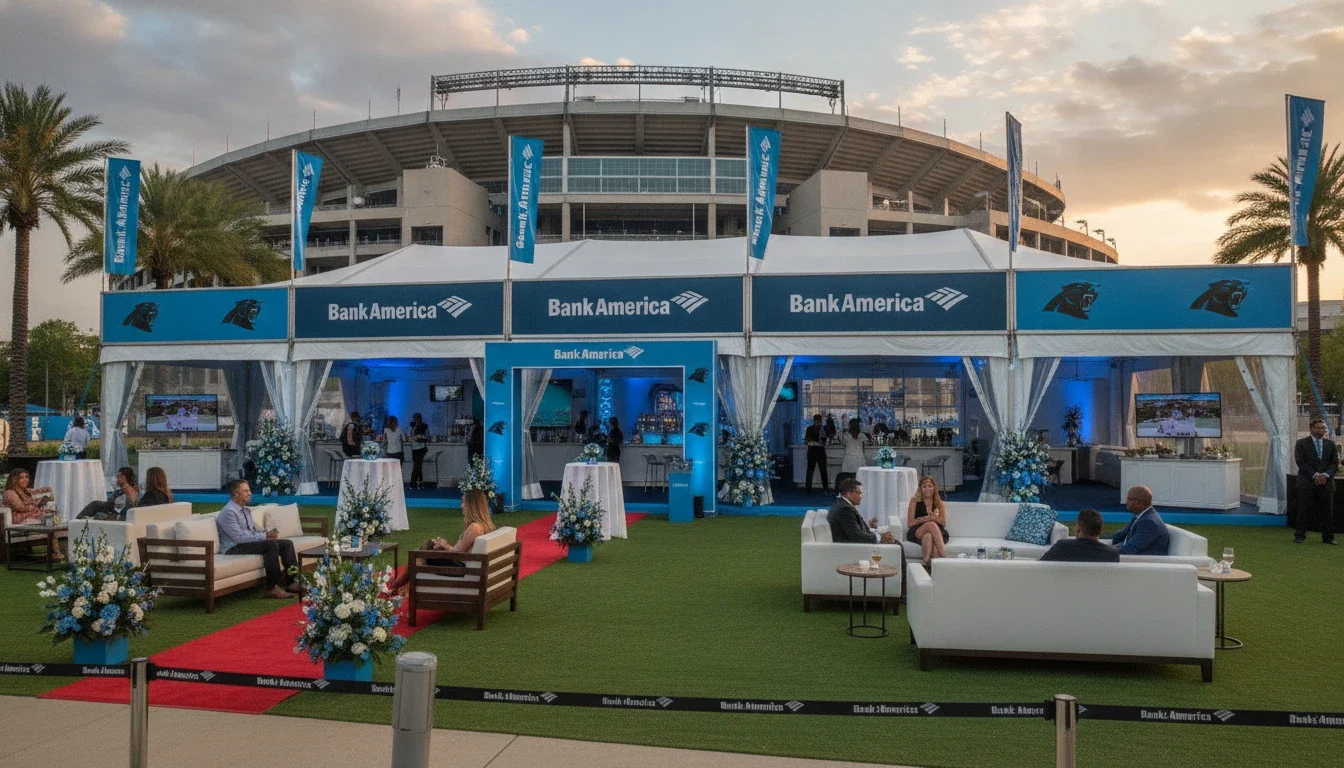
Premium hospitality tent setup outside Bank of America Stadium with branded décor and guest seating
Corporate Hospitality at Bank of America Stadium
The premium seating and hospitality tiers at BOA Stadium have undergone significant investment in recent years. For brands and companies treating game-day hospitality as a client relationship or employee engagement tool, understanding what each tier delivers is essential for matching the experience to the occasion.
Luxury Suites: The Pinnacle of Client Entertainment
Bank of America Stadium operates luxury suites across multiple levels with configurations ranging from 20 to 28 guests. Suite pricing for Panthers home games typically runs between $8,400 and $40,000 depending on the game, suite location, and opponent. Suites on the 300 level generally accommodate up to 28 guests; 400-level suites cap at 20.
Every suite comes fully furnished with private restrooms, radiant heating, custom branding opportunities, and a dedicated suite attendant. Catering is managed through Levy Restaurants, with pre-order and game-day menu options available. For brands, the key advantage of a luxury suite is control — over the guest list, the catering, the branding environment, and the pace of the experience.
Suites are also usable for non-Panthers events, including Charlotte FC matches, concerts, and college football games hosted at the stadium, making annual suite memberships a versatile corporate entertainment asset.
The Gallery Field Suites
The Gallery represents the most exclusive premium offering currently available at Bank of America Stadium. Featuring twelve purpose-built suites and two suite clubs, The Gallery is positioned immediately behind the end zone, giving members an unobstructed end zone vantage point and a direct line of sight to the players’ tunnel and walkout.
Amenities include all-inclusive food and beverage, VIP parking, oversized padded seats, private indoor lounge space, and rare behind-the-scenes access. For brands hosting ultra-premium clients or executing a partnership asset that needs to feel genuinely exclusive, The Gallery sets a standard that is difficult to match elsewhere in the venue.
Silver Club Terraces
Added during the 2017 Club Level renovation, the four Silver Club Terraces offer a more intimate premium experience with only 28 seats each. Each terrace features three rows of cushioned seats behind fully retractable glass windows, five televisions, and dedicated personal game-day staff. Members also receive reserved parking and access to the renovated Silver Club Level lounges and market areas.
For brands seeking a premium experience that feels more personal and controllable than a large suite, Silver Club Terraces offer a compelling middle ground — particularly for executive-level entertaining where a more intimate atmosphere is preferred.
Club Level and Market Areas
The Club Level at Bank of America Stadium provides access to upgraded lounge spaces, market-style food options, and a more comfortable viewing environment than the general bowl. For groups that want an elevated game-day experience without the full commitment of a private suite, Club Level access provides a solid baseline for corporate hospitality programming.
Staff Roles That Make a Stadium Activation Work
Activation quality at a venue the size of BOA Stadium rises and falls on the quality of the people executing it. The role structure matters — generalist staff deployed without clear assignments rarely deliver the focused engagement that brand activations require. The following roles form the foundation of a well-staffed stadium activation.
Brand Ambassadors
Brand ambassadors are the outbound face of the activation. At a stadium, that means proactively approaching fans, initiating brand conversations, distributing samples or collateral, and driving engagement mechanics like photo moments, contest entries, or app downloads. The best brand ambassadors for a stadium environment are confident without being aggressive, physically energetic (exterior deployments involve hours of standing and movement), and capable of tailoring their pitch to different audience types — from the casual first-time visitor to the longtime season-ticket holder.
Activation Leads and Supervisors
Every activation at a large venue needs an on-site lead who owns execution. This role manages the ambassador team, handles real-time logistics, communicates with brand contacts and stadium operations, and addresses problems before they escalate. For activations running across multiple zones or shifts, a supervisor who bridges field staff and the client contact is not optional — it’s the structural element that holds everything together.
Hospitality and Suite Hosts
For brands hosting clients in a suite or premium hospitality environment, dedicated host staff are essential. Suite hosts greet guests upon arrival, manage catering coordination, facilitate introductions, handle special requests, and generally ensure that every guest feels genuinely attended to. The quality of this role is particularly visible in a corporate hospitality context, where the client relationship stakes are high.
Registration and Check-In Staff
Branded guest events at the stadium — whether a suite buyout, a sponsored hospitality tent, or an invitation-only activation — typically require dedicated check-in staff. This role manages the arrival experience, verifies guest lists, distributes credentials or wristbands, and sets the initial tone for the guest experience. First impressions formed at check-in carry through the entire event.
Production Assistants and Setup Crew
Large-format activations require staff who can handle the physical side of setup, teardown, and on-site logistics. Production assistants manage equipment placement, collateral distribution, display maintenance, and strike operations after the event ends. In a stadium environment with strict load-in windows and security protocols, an experienced PA team prevents costly delays and ensures the activation is operational from the moment gates open.
Crowd Management and Ushers
High-traffic activations can create bottlenecks, lines, and crowd flow challenges if not managed proactively. Usher and crowd management staff direct guest movement, maintain orderly queuing at high-demand moments (sampling tables, photo activations, registration desks), and ensure that the experience feels smooth rather than chaotic. This role is particularly important for exterior activations during peak arrival windows.
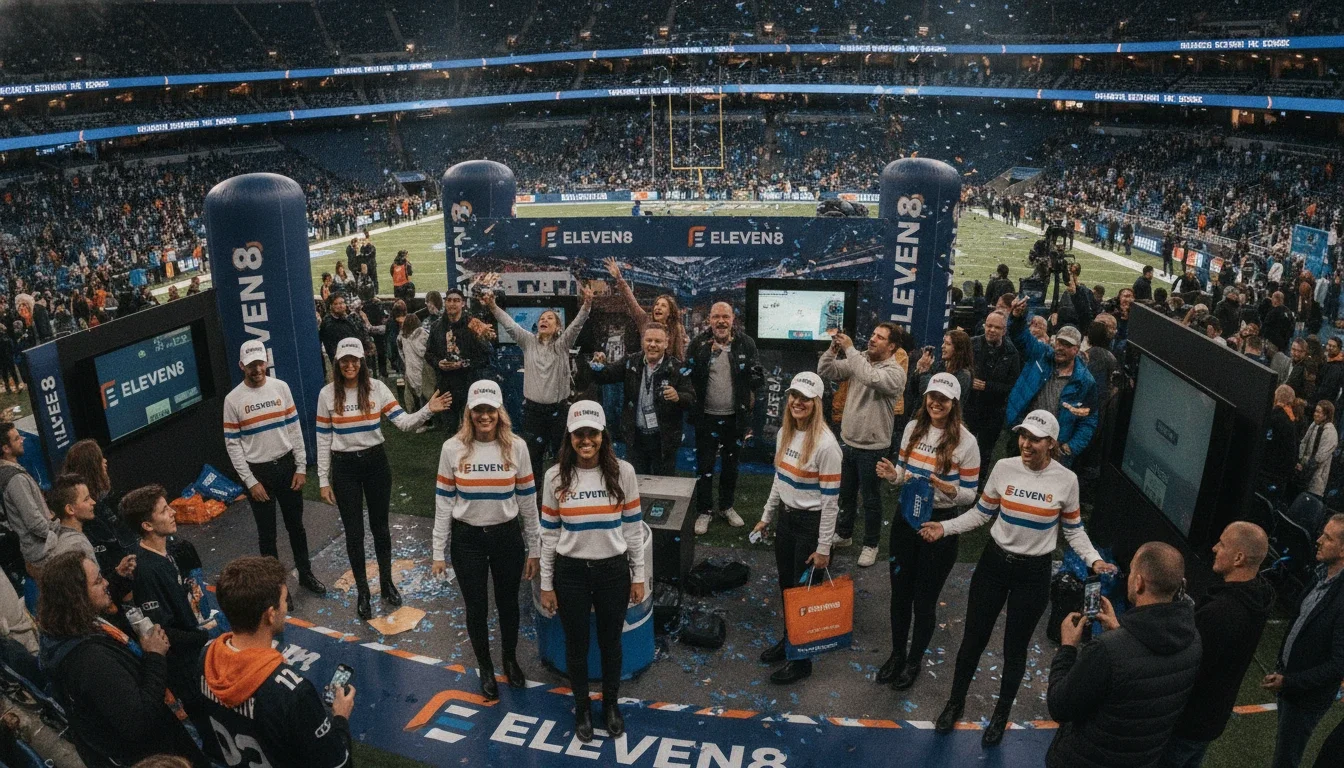
Eleven8 brand ambassadors in branded uniforms engaging with fans at a stadium brand activation event
Pre-Event Planning: What to Do Before Game Day
The most visible failures at stadium activations trace back to pre-event planning gaps. A smooth execution on game day is largely the product of decisions made in the weeks and days before the event.
Venue Coordination and Permits
Bank of America Stadium operations are managed through the Panthers organization. Brands planning exterior activations on stadium property must obtain appropriate permits and coordinate placement with the venue’s event operations team. For activations in nearby public plazas or adjacent streets, coordination with Charlotte’s city permitting office and applicable business improvement districts may also be required.
Start vendor and permit conversations at least four to six weeks before the event. Stadium operations teams work with tight windows and limited activation real estate; early engagement is the difference between a premium placement and getting sidelined to a lower-traffic area.
Brand Briefing and Staff Training
Every staff member executing a stadium activation needs a thorough pre-event briefing that covers the brand’s messaging priorities, the activation mechanic, the target audience profile, what questions they’re likely to receive, and what outcomes they’re being measured against. Generic orientation is not sufficient for a high-investment activation.
For hospitality roles specifically, the briefing should cover suite or tent protocols, catering timelines, guest list management procedures, and the escalation path for any special requests or issues. The more clearly staff understand their role’s specific objectives, the more confidently they execute under game-day pressure.
Logistics and Staging
Coordinate load-in timing with venue operations well in advance. Stadium security protocols require credentialed access for all staff, and activation equipment typically requires a dedicated load-in window that closes before general fan arrival. Plan for security screening queues that run longer than expected on high-traffic game days.
Establish a clear staging area for materials, backup supplies, and staff check-in that is distinct from the consumer-facing activation footprint. Consumers who see the operational backstage of an activation lose the experiential illusion — keep logistics invisible.
Game-Day Execution: Running a Tight Activation
Once game day arrives, operational discipline is the differentiator between activations that create lasting brand impressions and those that feel like they’re just going through the motions.
Arrival Windows and Credential Access
Staff should arrive at least 60-90 minutes before activation launch, allowing time for security screening, role briefings, equipment setup, and final position confirmations. Late arrival cascades — one late supervisor can delay an entire team’s deployment.
Ensure all credentials and wristbands are distributed in advance. Stadium security will not improvise access at the gate, and lost time at entry is activation time lost permanently.
Activation Touchpoint Management
For multi-zone activations, establish clear ownership for each touchpoint at the start of the day. Each ambassador or team should know exactly where they are deployed, what their primary engagement mechanic is, and who their escalation contact is if something changes. Avoid the common trap of pulling staff from their assigned zones to troubleshoot problems elsewhere — this dilutes engagement quality across the board.
Real-Time Supervision and Communication
Activate a group communication channel (text thread or two-way radio, depending on activation scale) that connects all staff to the lead supervisor from the moment the first credential scan happens. Conditions change fast in a stadium environment — crowd routing shifts, weather moves through, brand contacts adjust the mechanic mid-execution. A real-time communication infrastructure is what allows a field team to adapt without losing cohesion.
Measuring Activation Success at BOA Stadium
Brands that return to Bank of America Stadium for recurring activations are the ones that built a measurement framework from the start. Specific metrics depend on activation type, but the following represent the standard success indicators for stadium brand activations:
Consumer engagements (tracked by ambassadors per shift)
Samples or collateral distributed
Digital interactions (app downloads, QR code scans, contest entries)
Social media impressions driven from on-site content moments
Leads or sign-ups captured through branded check-in or registration touchpoints
Qualitative feedback from brand contacts and activation supervisors
Post-event debriefs with the staffing team yield as much useful intelligence as any analytics dashboard. Staff who were in the field for six hours know which mechanics drove genuine enthusiasm and which fell flat — and that intelligence directly informs the next activation.
Why Eleven8 Event Staff Is Charlotte’s Activation Partner
Eleven8 Event Staff has staffed activations, hospitality programs, and brand ambassador campaigns across Charlotte’s major venues — including Bank of America Stadium — with a team drawn from the top 3.5% of applicants across an active roster of more than 24,000 staff nationwide.
What that means in practice for brands activating at BOA Stadium: your brand ambassadors are not generic warm bodies. They are vetted, trained individuals who have been matched to your event type, your brand profile, and your audience — and backed by a built-in supervisor structure and 24/7 game-day support.
Every Eleven8 booking includes a dedicated account manager from initial inquiry through post-event recap, built-in backup coverage (one briefed backup per every 8 staff), and offsite operations management at no additional charge. For a high-stakes activation at a 74,867-seat stadium, that operational infrastructure is not a luxury — it is the baseline you need to protect your brand and your investment.