Salt Lake City's events industry is thriving. From major conventions at the Salt Palace to high-energy games at Vivint Arena, corporate product launches in the tech corridor, and outdoor festivals that draw thousands, the city needs professional event staff year-round. But landing jobs with premier event staffing agencies isn't as simple as filling out an application. The best agencies are selective, looking for candidates who bring more than just availability to the table.
Whether you're seeking flexible part-time work, building experience in hospitality, or pursuing a career in event management, understanding what staffing agencies prioritize can make the difference between getting hired and getting overlooked. This guide breaks down exactly what event staffing agencies in Salt Lake City look for in candidates, walks you through the application and vetting process, and provides insider tips to help you stand out in a competitive field.
Premium agencies accept only a small percentage of applicants. By knowing what they seek and how to present yourself as an ideal candidate, you can position yourself for success in Salt Lake City's dynamic events industry.
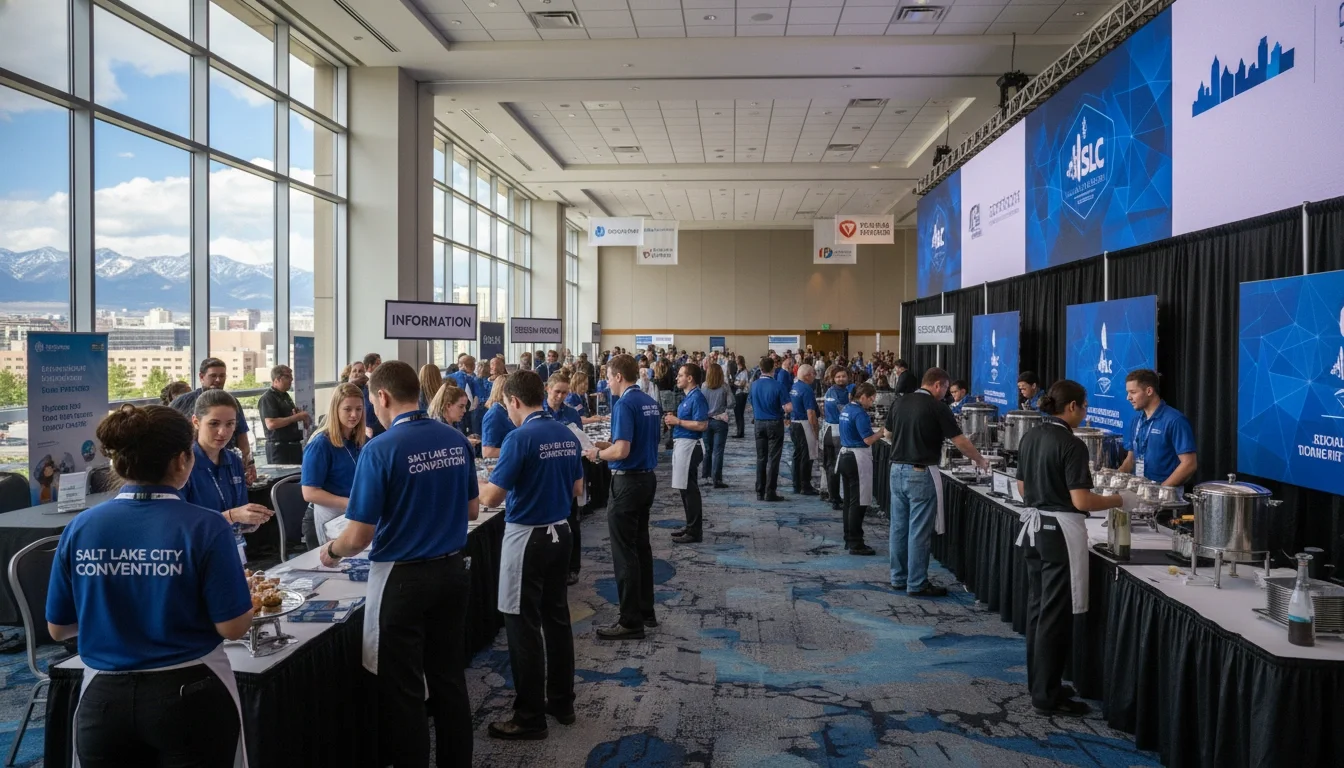
Event staff working at a professional Salt Lake City convention
Understanding the Event Staffing Industry in Salt Lake City
Types of Event Staff Positions Available
Event staffing encompasses a wide range of roles, each requiring different skills and experience levels. In Salt Lake City, opportunities span from entry-level positions to specialized roles that command premium pay.
Brand ambassadors represent companies at product launches, promotional events, and trade shows. They engage with attendees, demonstrate products, distribute samples, and create positive brand experiences. This role requires excellent communication skills and the ability to embody a brand's values.
Convention and trade show staff work at large-scale industry events at venues like the Salt Palace Convention Center. Responsibilities include registration and check-in, booth staffing, wayfinding assistance, and general attendee support. These positions often require standing for extended periods and managing high volumes of interactions efficiently.
Waitstaff and bartenders serve at corporate galas, private parties, weddings, and VIP events. Fine dining service skills, beverage knowledge, and polished presentation are essential. Bartending positions require Utah liquor service certification and typically pay higher rates plus tips.
Event setup and breakdown crews arrive before guests to prepare venues and stay after to restore spaces. Physical stamina matters here, as the work involves moving equipment, arranging furniture, and handling logistics under time pressure.
VIP hospitality staff manage high-profile guests at exclusive events. These positions demand discretion, sophisticated service skills, and the ability to anticipate needs without being intrusive. Salt Lake City hosts numerous corporate events and award ceremonies that require this level of service.
Registration and check-in personnel manage attendee credentials, distribute badges, and serve as the first point of contact at conferences and conventions. Strong organizational skills, attention to detail, and friendly professionalism make candidates successful in these roles.
Salt Lake City's Event Market
Salt Lake City's event landscape offers diverse opportunities throughout the year. Understanding the local market helps you target the right positions and plan for seasonal fluctuations.
The Salt Palace Convention Center hosts major industry conferences, trade shows, and conventions that require hundreds of staff members for multi-day events. Tech summits, medical conferences, and consumer expos create consistent demand for professional event workers.
Vivint Arena and Rice-Eccles Stadium need staff for concerts, sporting events, and large-scale performances. These venues operate year-round but peak during basketball and football seasons. Jobs here include ushers, concession workers, crowd management, and hospitality staff for suite service.
Corporate venues across the Salt Lake City tech corridor regularly host product launches, team-building events, and client entertainment. Companies value polished, professional staff who can represent their brand to employees and stakeholders.
Hotels and conference centers like the Grand America Hotel and Little America run corporate meetings, destination weddings, and social events. Banquet service positions here offer steady work with opportunities for career advancement.
The tourism season brings outdoor festivals, concerts in the canyon venues, and events capitalizing on Salt Lake City's proximity to world-class ski resorts. Summer months see increased demand for festival staff, while winter brings corporate ski retreats and holiday parties.
Why Work with Staffing Agencies vs. Direct Hiring
Event staffing agencies serve as intermediaries between workers and event organizers, offering advantages over applying directly to individual venues or events.
Consistent work opportunities emerge because agencies staff multiple clients across various event types. Instead of scrambling for one-off gigs, you gain access to a steady stream of assignments that match your skills and availability.
Professional development and training distinguish quality agencies from casual labor pools. Top agencies invest in their staff through customer service training, event protocol education, and role-specific skill development. This training enhances your value in the marketplace.
Flexible scheduling allows you to choose which events to work based on your availability. Agencies manage the logistics of matching staff to events, so you can maintain work-life balance while building experience and income.
Access to high-profile events becomes possible through established agencies with prestigious client rosters. Working concerts, VIP galas, major brand activations, and exclusive corporate events adds impressive experience to your resume.
Simplified payroll and administration means agencies handle tax withholding, workers' compensation insurance, and payment processing. You focus on performing excellent service while the agency manages the paperwork.
What Event Staffing Agencies Look For in Candidates
Core Qualifications and Requirements
Before agencies evaluate your skills and experience, they verify basic eligibility requirements that determine whether you can legally and physically perform event work.
Age requirements vary by position. Most event staff roles require candidates to be at least 18 years old. Bartending and alcohol service positions mandate candidates be 21 or older to comply with Utah liquor laws. Some luxury brand events may have additional age requirements based on client specifications.
Legal work authorization is non-negotiable. Agencies verify that candidates are legally authorized to work in the United States through Form I-9 documentation. This includes U.S. citizens, permanent residents, and individuals with valid work visas and Social Security numbers.
Reliable transportation ensures you can reach venues across the Salt Lake City area on time. Events happen at various locations, sometimes with early morning or late evening start times. Public transportation doesn't always serve event venues during off-peak hours, making personal transportation a practical necessity.
Physical ability matters because event work is active. Most positions require standing for four to eight hours, walking extensively, and occasionally lifting items weighing 25 to 50 pounds. Setup and breakdown crews handle heavier equipment. Agencies assess whether candidates can meet the physical demands without risk of injury.
Flexible availability separates serious candidates from those seeking only the most convenient shifts. Events happen primarily during evenings, weekends, and holidays when attendees are free. Premium positions go to staff willing to work Friday nights, Saturday afternoons, and Sunday mornings when demand peaks.
Essential Skills That Get You Hired
Technical requirements establish baseline eligibility, but specific skills determine whether agencies select you over other qualified applicants.
Customer service excellence tops the list because event staff interact directly with guests, clients, and attendees. Agencies seek candidates who can anticipate needs, respond to requests gracefully, and create positive experiences even under pressure. Previous experience in hospitality, retail, or service industries demonstrates this capability.
Professional communication encompasses both what you say and how you say it. Clear articulation, active listening, appropriate tone, and the ability to give and receive instructions accurately all matter. In diverse Salt Lake City, bilingual candidates often have an advantage, particularly Spanish-English fluency for reaching broader audiences.
Reliability and punctuality can't be overstated. Events operate on strict timelines. A staff member who arrives late disrupts setup, forces last-minute coverage changes, and creates stress for everyone. Agencies track attendance patterns closely and prioritize candidates with proven reliability.
Adaptability and problem-solving prove essential because events rarely go exactly as planned. Weather changes outdoor plans. Equipment malfunctions. Guest counts fluctuate. VIPs arrive unannounced. The best event staff adjust quickly without needing constant supervision.
Teamwork and collaboration drive event success. Staff members must coordinate with each other, follow leads and supervisors, and support teammates during high-pressure moments. Lone wolf personalities struggle in environments that demand synchronized effort.
Attention to detail prevents small issues from becoming big problems. Correctly recording guest names, noticing empty glasses, spotting safety hazards, maintaining presentation standards—these details separate adequate service from exceptional experiences.
The Qualities Premium Agencies Prioritize
Beyond skills and qualifications, certain personal qualities signal whether candidates will thrive in high-stakes event environments and represent clients well.
Professional appearance and presentation create first impressions. Premium agencies staff luxury brands and VIP events where image matters. Well-groomed hair, appropriate attire for interviews, good posture, and confident body language all factor into hiring decisions. This doesn't mean conforming to unrealistic beauty standards—it means presenting yourself as polished and put-together.
Positive attitude and enthusiasm prove contagious. Event work can be physically demanding and occasionally tedious. Candidates who maintain upbeat energy and find satisfaction in serving others stand out. Agencies avoid hiring people who seem bored, entitled, or overly focused on what's in it for them.
Experience in hospitality or events provides valuable context even if your background differs from the specific role you're seeking. Restaurants, hotels, catering companies, retail management, customer service positions, and volunteer event work all demonstrate relevant experience. Career changers should highlight transferable skills rather than dwelling on unrelated background.
Ability to represent brands professionally matters especially for brand ambassador roles. Agencies need staff who can embody company values, deliver key messages accurately, and create authentic connections with potential customers. This requires genuine interest in products or services, not just reciting scripts.
Conflict resolution skills come into play when handling difficult guests, managing competing requests, or addressing unexpected problems. Candidates who can de-escalate tense situations, find diplomatic solutions, and maintain composure under stress become invaluable team members.
Initiative and proactivity distinguish good staff from great staff. Noticing a spill and cleaning it before someone slips. Checking in with an event coordinator before running out of materials. Offering to help a teammate who's falling behind. These actions demonstrate professional maturity that agencies prize.
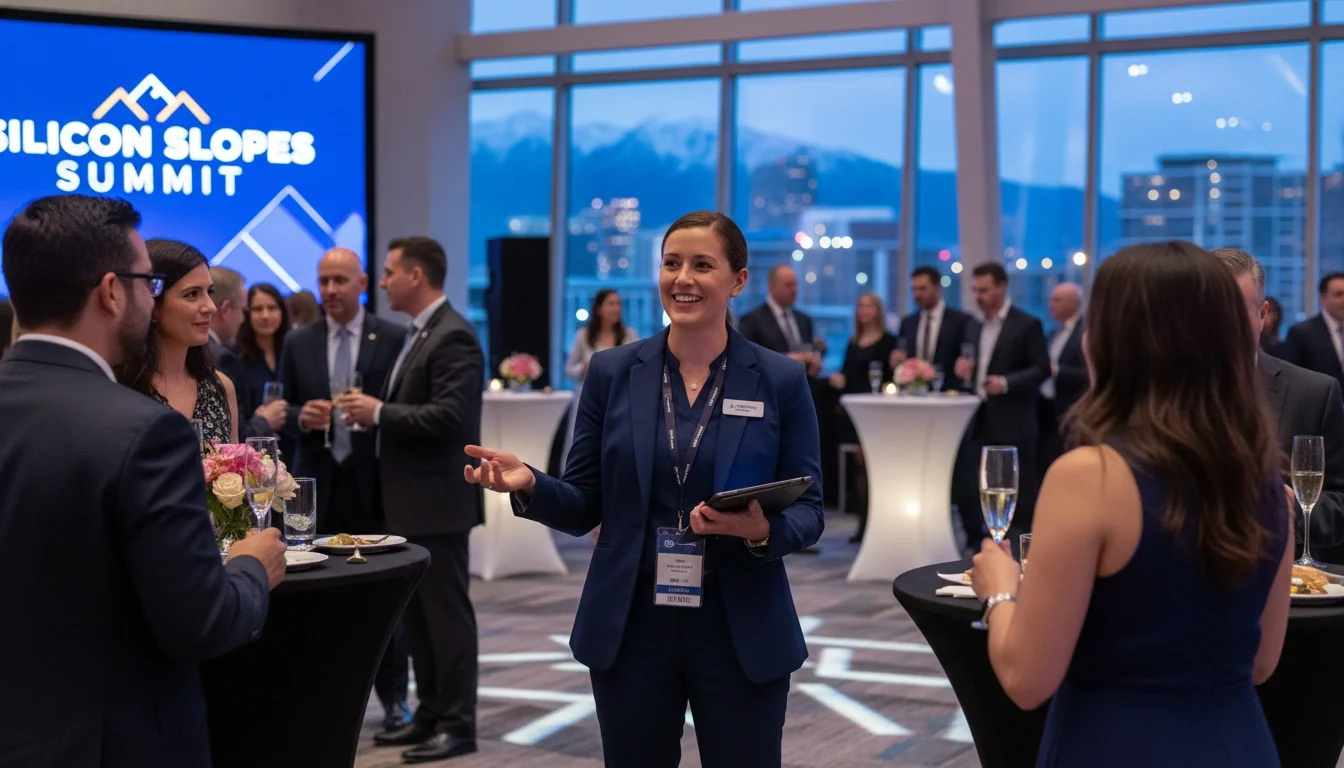
Professional event staff member engaging with guests at upscale Salt Lake City event
Red Flags That Agencies Avoid
Understanding what agencies reject helps you avoid common pitfalls that eliminate otherwise qualified candidates.
Unreliable attendance history stands out immediately. If your application or references reveal patterns of no-shows, last-minute cancellations, or chronic lateness, agencies will pass. They can't risk unreliable staff disrupting client events.
Poor communication during the application process signals how you'll behave once hired. Not responding to interview requests, missing scheduled calls, using unprofessional email addresses or language, or being difficult to reach all raise concerns about your professionalism.
Lack of professionalism in interviews includes obvious issues like inappropriate dress, negative talk about previous employers, checking your phone repeatedly, or showing disinterest. Less obvious problems include failing to ask thoughtful questions, giving one-word answers, or seeming entitled to the position.
Inflexible availability limits your value to agencies. Candidates who can only work Tuesday and Thursday afternoons, or refuse all weekend shifts, simply don't fit the needs of most events. Some flexibility is necessary.
Negative references provide insight into how previous employers or supervisors experienced working with you. Agencies contact references and take feedback seriously. If references paint you as difficult, unreliable, or problematic, agencies won't take the risk.
Failure to pass background checks automatically disqualifies candidates for most positions. This includes criminal records that raise safety concerns, discrepancies between your application and verified information, or issues with work authorization.
The Application and Vetting Process: What to Expect
Step 1: Submitting Your Application
Finding and applying to event staffing opportunities requires knowing where to look and how to present yourself effectively.
Where to find opportunities starts with agency websites. Premium agencies like Elev8 maintain career pages where you can submit applications directly. Job boards including Indeed, ZipRecruiter, and SimplyHired list local event staff openings. Industry-specific platforms connect hospitality professionals with opportunities. Networking through current event staff, hospitality colleagues, or industry contacts can provide insider referrals.
What to include in your application goes beyond basic contact information. Detail your relevant work experience with specific examples of customer service, team environments, and physical work. Highlight any hospitality certifications like food handling permits or alcohol service training. Note your true availability, including which days and times you can work. Upload a professional headshot if requested—agencies often show client presentations with staff photos.
How to make your application stand out involves customizing responses to show genuine interest. Generic, template-style applications get rejected immediately. Instead, mention why you're interested in event work specifically, reference the agency's client base or reputation, and highlight relevant experience that aligns with their needs. Proofread carefully—typos and errors suggest carelessness.
Common application mistakes to avoid include incomplete forms, leaving questions blank rather than answering honestly, exaggerating availability you can't maintain, failing to follow specific instructions, using unprofessional email addresses, or applying to multiple agencies without customizing each application.
Step 2: Initial Screening and Review
After submission, agencies review applications to identify candidates worth interviewing.
Response timeline expectations typically range from a few days to two weeks, depending on hiring volume and urgency. Premium agencies receive hundreds of applications weekly and review them systematically. Patience matters, but following up appropriately after seven to ten days shows continued interest without being pushy.
What agencies look for in applications includes completeness and attention to detail, relevant experience that matches their client needs, availability that aligns with event schedules, professional presentation in writing and photos, and responses that demonstrate genuine interest rather than generic job-seeking.
How they evaluate experience and qualifications involves assessing whether your background prepares you for their specific event types. An agency staffing high-end corporate events evaluates candidates differently than one focusing on outdoor festivals. They consider whether your skills transfer, whether your availability meets their needs, and whether your presentation fits their client base.
Step 3: The Interview Process
Interviews serve as the primary tool for agencies to assess fit beyond what applications reveal.
Virtual vs. in-person interviews both appear in the screening process. Many agencies start with phone or video interviews to efficiently screen candidates before investing time in face-to-face meetings. Virtual interviews assess communication skills, professionalism, and basic fit. Successful phone screenings may lead to in-person interviews where agencies evaluate presence, appearance, and interpersonal skills more thoroughly.
Common interview questions for event staff explore your experience and approach:
"Tell me about a time you handled a difficult customer or guest."
"How do you maintain professionalism when you're physically tired?"
"Describe a situation where you had to adapt quickly to unexpected changes."
"What interests you about event work specifically?"
"How do you prioritize tasks when everything seems urgent?"
"What would you do if you noticed a safety concern during an event?"
How to prepare and what to bring includes researching the agency and their clients beforehand, reviewing your own experience to recall specific examples, dressing professionally as you would for the actual job, bringing copies of your resume, having your schedule available to discuss availability, and preparing thoughtful questions about the agency's process, training, and event types.
What interviewers are really assessing goes beyond your answers to questions. They evaluate your communication style and clarity, your appearance and professional presentation, your enthusiasm and energy level, your ability to handle interview pressure, whether you seem genuinely interested or just need any job, and whether you fit their culture and client expectations.
Step 4: Background Checks and Reference Verification
Agencies verify candidate information before making hiring decisions, especially for positions with client contact or financial responsibilities.
What's included in background checks typically covers criminal history, particularly relevant convictions, employment verification for positions you listed, education verification if you claimed degrees, driving records if transportation is relevant, and social security number validation for payroll purposes.
Why references matter significantly relates to agencies wanting third-party validation of your work ethic, reliability, and interpersonal skills. References provide perspective on how you handle stress, work with teams, and maintain professionalism. They verify you accurately represented your previous roles and responsibilities.
How to prepare your references means selecting supervisors or colleagues who can speak to your work quality and character, asking permission before listing them as references, providing context about the opportunity so they can give relevant feedback, ensuring their contact information is current, and giving them a heads-up when agencies might call.
Timeline for completion usually spans three to seven business days for standard background checks. More extensive checks for high-security events or sensitive positions may take longer. Agencies typically won't finalize hiring decisions until checks complete successfully.
Step 5: Training and Onboarding
Successful candidates enter structured training to prepare them for agency standards and client expectations.
Agency-specific training programs cover customer service protocols, brand representation standards, emergency procedures and safety protocols, communication systems and reporting structures, and expectations for appearance, punctuality, and conduct. Premium agencies invest significantly in training because well-prepared staff deliver better results.
Event-specific preparation happens before each assignment. Agencies brief staff on client background and brand values, event objectives and schedules, specific responsibilities and expectations, venue layouts and logistics, and dress codes or uniform requirements. Detailed briefings ensure staff arrive informed and ready.
Uniform and presentation standards vary by agency and event type. Some agencies provide uniforms, while others specify all-black attire, business professional dress, or client-branded clothing. Understanding and meeting these standards consistently matters for continued assignments.
Technology and systems training includes event management apps for scheduling and communication, payment and timecard systems, client-specific platforms or tools, and emergency contact procedures. Comfort with technology helps you navigate administrative requirements smoothly.
Step 6: Trial Shifts and Performance Evaluation
Many agencies assess new hires through trial periods before adding them to preferred staff rosters.
What trial shifts entail gives agencies and staff a chance to evaluate fit. You'll work an actual event under observation, demonstrating your skills in real conditions. Supervisors assess how well you follow instructions, interact with guests and coworkers, maintain professionalism under pressure, adapt to real-time changes, and represent the brand or client appropriately.
How you're evaluated combines supervisor observations with any guest or client feedback. Agencies note whether you arrived on time and prepared, completed assigned tasks thoroughly, demonstrated initiative without overstepping, maintained professional appearance and demeanor throughout the shift, and integrated well with the team.
Feedback and improvement opportunities follow trial shifts. Good agencies provide constructive input on strengths and areas for development. This feedback helps you understand their expectations and improve performance. Taking feedback well demonstrates coachability, which agencies value highly.
Path to preferred staff status opens after successful trial periods. Preferred staff receive first access to premium events, priority scheduling for requested shifts, higher pay rates based on proven performance, and leadership opportunities as event captains or supervisors. Building this status requires consistency, professionalism, and reliability across multiple assignments.
How to Stand Out as a Top Candidate
Building a Strong Event Staffing Resume
Your resume creates the first impression, so tailoring it specifically for event staffing increases your chances significantly.
Highlighting relevant experience means focusing on positions that demonstrate skills agencies value. Restaurant server experience shows customer service and multitasking under pressure. Retail management demonstrates leadership and problem-solving. Administrative roles prove organizational skills and attention to detail. Even non-hospitality experience becomes relevant when you frame it through the lens of skills like teamwork, communication, and adaptability.
Emphasizing transferable skills helps career changers compete with candidates who have direct event experience. If you managed difficult customers in retail, that's conflict resolution. If you coordinated schedules in an office, that's logistics management. If you trained new employees anywhere, that's leadership. Make these connections explicit rather than assuming reviewers will see them.
Including certifications gives you an edge over candidates without formal credentials. Utah Food Handler Permit, ServSafe certification, responsible alcohol service training, CPR and first aid certification, and any industry-specific credentials all demonstrate your commitment and preparedness. List them prominently.
Formatting for quick scanning matters because hiring managers review numerous resumes rapidly. Use clear section headers, bullet points rather than dense paragraphs, consistent formatting throughout, adequate white space for readability, and a professional font. Keep it to one page unless you have extensive relevant experience. Save and send as a PDF to preserve formatting.
Presenting Yourself Professionally
How you present yourself in person reinforces or contradicts what your resume promises.
Dress and grooming standards for interviews should match the level of the events you want to staff. For premium agencies staffing VIP events, business professional attire works best. For festival or casual event agencies, business casual may suffice. Clean, pressed clothing, conservative styles that don't distract, well-groomed hair and nails, minimal fragrance, and appropriate accessories all contribute to a polished impression.
Body language and demeanor communicate confidence and approachability. Maintain good posture whether sitting or standing, offer a firm handshake and appropriate eye contact, smile genuinely and naturally, avoid crossing arms or appearing closed off, and project energy without seeming hyperactive or nervous. Practice helps if you're naturally reserved or anxious.
Communication style should be clear, friendly, and professional. Avoid slang or overly casual language, speak at a moderate pace and volume, listen actively and respond thoughtfully, and ask clarifying questions when needed. Match your interviewer's energy level while remaining authentic.
Digital presence and social media may influence hiring decisions. Agencies sometimes review candidates' public social media profiles. Ensure your public profiles present you professionally, avoid posting content that contradicts professional image, use privacy settings if you want to keep personal content private, and consider creating a LinkedIn profile highlighting your event staffing aspirations and relevant experience.

Professional headshot example for event staffing applications
Demonstrating Reliability from Day One
Reliability matters more in event staffing than almost any other quality. You build this reputation starting with your first contact.
Prompt communication means responding to emails and calls within 24 hours, confirming your attendance at scheduled interviews or shifts, notifying agencies immediately if conflicts arise, and being reachable during business hours. Agencies track response times and prioritize candidates who are easy to work with.
Meeting deadlines for submitting paperwork, completing background checks, finishing training modules, and confirming shift availability demonstrates you'll meet event-day deadlines too. Missing administrative deadlines raises red flags about your overall reliability.
Following through on commitments builds trust rapidly. If you commit to a shift, show up. If you say you'll submit documents, do it. If you promise to follow up on something, follow up. Each time you do what you said you'd do, you prove yourself trustworthy.
Being proactive about scheduling shows professionalism. Review your schedule as soon as event opportunities post, respond quickly to shift offers, notify agencies promptly about upcoming unavailability due to vacations or other commitments, and offer solutions when conflicts arise rather than just canceling.
Gaining Relevant Experience
If you lack direct event experience, strategic steps can build your qualifications before applying.
Starting with entry-level positions in hospitality provides transferable experience. Restaurant host or server roles, hotel front desk positions, retail customer service jobs, catering assistant work, or barista positions all develop skills agencies value. Focus on environments with high customer interaction and fast-paced service.
Volunteering at community events builds your resume while giving back. Many nonprofits, festivals, and community organizations need volunteer event support. These experiences demonstrate commitment and initiative while letting you learn event operations. You can list volunteer event work on your resume alongside paid positions.
Taking hospitality or customer service roles specifically develops skills that translate directly. Even if you're pursuing event work as a side job or career transition, seeking customer-facing positions in your current job search builds relevant experience. Every interaction where you serve others, solve problems, or manage expectations prepares you.
Building skills progressively means setting realistic goals. Start with straightforward positions, master the basics, seek feedback and improvement, take on additional responsibilities when offered, and gradually work toward more specialized or premium roles. Rushing into positions you're not prepared for sets you up for poor performance reviews.
Salary Expectations and Benefits for Salt Lake City Event Staff
Typical Pay Ranges by Position
Understanding compensation helps you evaluate opportunities and negotiate effectively.
Entry-level event staff in Salt Lake City typically earn $15 to $18 per hour for positions like event setup, general event support, registration and check-in, or basic brand ambassador roles. These positions require minimal experience and provide a starting point for building your event staffing career.
Experienced servers and bartenders command $18 to $25 per hour plus tips at upscale events. The base rate varies based on event type and agency, but tips can significantly boost total earnings. High-end corporate galas, weddings, and VIP events generate the best tip opportunities.
Brand ambassadors for promotional events and product demonstrations earn $20 to $30 per hour, depending on the brand, event complexity, and your experience level. Premium brands hosting experiential marketing activations pay at the higher end of this range.
Event captains and supervisors who manage other staff and oversee event execution earn $25 to $35 per hour. These positions require proven leadership skills, extensive event experience, and the ability to solve problems independently. Agencies promote strong performers to these roles after building trust and demonstrating capability.
Specialized roles including technical support, audio-visual assistance, or positions requiring specific certifications can command $30 to $50 per hour. Bilingual staff, particularly those fluent in Spanish and English, often receive premium rates for events serving diverse audiences.
Additional Compensation and Perks
Beyond hourly wages, event staffing offers several forms of additional value.
Tips and gratuities at food and beverage events can match or exceed base pay. High-end weddings, corporate galas, and VIP hospitality suites generate the most significant tip income. Agencies typically allow staff to keep all tips received, though some events include service charges distributed among all staff.
Premium pay for high-profile events reflects the increased responsibility and client expectations. Major brand activations, celebrity events, or particularly demanding assignments often come with rate increases. Building relationships with agencies that staff premium events puts you in position for these opportunities.
Meal provisions at longer events reduce your daily expenses. Many agencies or clients provide staff meals during events lasting more than four hours. This ranges from simple boxed lunches to catered meals matching event quality.
Networking opportunities emerge from working diverse events. You'll meet professionals across industries, learn about companies and products, and potentially connect with people who offer career opportunities beyond event work. Many staff transition into full-time roles with clients they met while working events.
Career advancement potential exists within quality agencies. Top performers move into supervisory roles, event planning positions, or full-time coordination jobs. Some use event staffing as a gateway to careers in hospitality management, marketing, or event production.
Flexible scheduling benefits allow you to build event work around other commitments. Students balance classes and events, artists work events between auditions or gigs, parents work events during childcare availability, and career changers build new skills while maintaining current jobs.
Salt Lake City-Specific Opportunities and Considerations
Major Event Venues and Employers
Salt Lake City's venue landscape creates varied opportunities across different event types and environments.
Salt Palace Convention Center serves as Utah's premier convention facility, hosting national conferences, major trade shows, and large-scale consumer expos year-round. Events here require registration staff, booth support, wayfinding personnel, and hospitality teams. Convention season peaks in spring and fall when corporate and industry events cluster.
Vivint Arena presents opportunities for concert and sporting event staff. Home to the Utah Jazz and host to major touring acts, the arena needs concession workers, ushers, suite service staff, and crowd management personnel. Game days and concert nights offer consistent work during basketball season and throughout the summer concert schedule.
Rice-Eccles Stadium hires event staff for University of Utah football games, outdoor concerts, and special events. The stadium atmosphere differs from arena work, with outdoor conditions, larger crowds, and tailgate culture creating unique considerations.
Eccles Theater brings performing arts events to downtown Salt Lake City, requiring sophisticated hospitality staff for theater patrons. Positions here emphasize polished presentation and knowledge of theater etiquette.
Hotels and conference centers including the Grand America, Little America, Hilton Salt Lake City Center, and Marriott properties host weddings, corporate meetings, and social events continuously. These venues offer consistent work and opportunities to build relationships with on-site event teams.
Corporate campuses in the tech corridor increasingly host their own events, from product launches to employee appreciation events and client entertainment. These events value staff who can represent the innovative, professional culture of technology companies.
Peak Hiring Seasons in Utah
Understanding seasonal patterns helps you plan your availability and capitalize on high-demand periods.
Convention season runs strongest in spring (March through May) and fall (September through November) when corporate and industry conferences cluster. Salt Palace and hotel venues fill with multi-day events requiring substantial staffing. Positioning yourself during these periods can lead to consistent work.
Summer outdoor events and festivals from June through August bring concerts, community celebrations, and tourism-driven gatherings. Outdoor events mean dealing with weather variables, but they also create numerous opportunities for those comfortable working in various conditions.
Holiday corporate parties dominate November and December as companies host year-end celebrations. These weeks represent some of the busiest periods in event staffing, with multiple events happening nightly. High demand often means premium pay and abundant opportunities.
Sundance Film Festival season in January affects the entire Park City and greater Salt Lake City area. While Sundance itself centers in Park City, related events, parties, and activations happen throughout the region. This represents a unique opportunity to work high-profile entertainment industry events.
Ski resort events throughout winter bring corporate retreats, sponsor activations, and tourism-related hospitality opportunities. Resorts within an hour of Salt Lake City need staff for on-mountain events, lodge parties, and brand experiences targeting affluent visitors.
Local Event Types and Specializations
Salt Lake City's economy and culture create specific event categories that shape staffing needs.
Tech industry conferences and product launches dominate the corporate event landscape. Companies showcase innovations, host developer conferences, and launch products at events that value staff who present professionally and understand technology culture. Knowledge of the local tech scene helps you connect with these opportunities.
NCAA and professional sports events create regular work throughout athletic seasons. Beyond Utah Jazz basketball, the city hosts NCAA tournament games, bowl games, marathons, cycling events, and other sports that need event support. Sports fans who understand game-day culture often thrive in these environments.
Outdoor recreation and lifestyle expos align with Utah's outdoor culture. Events celebrating skiing, hiking, camping, and adventure sports need staff who embody active lifestyles and can authentically represent outdoor brands. Genuine enthusiasm for outdoor recreation resonates at these events.
Corporate retreats and team buildings happen year-round as companies leverage Utah's combination of urban amenities and nearby natural beauty. These events need staff who can facilitate activities, serve meals, and create comfortable environments for team bonding.
Tourism and hospitality events capitalize on Salt Lake City's position as a gateway to national parks and ski resorts. Travel industry events, destination marketing activations, and tourism conferences need staff who can represent Utah's hospitality sector professionally.
Working with Premium Agencies Like Elev8
What Sets Top Agencies Apart
Not all event staffing agencies operate at the same standard. Premium agencies invest more in vetting, training, and client relationships.
Rigorous vetting means selective hiring processes that screen carefully. Elev8 accepts only the top 3.5% of applicants, ensuring every staff member meets high standards. This selectivity protects the agency's reputation and ensures you work alongside other committed professionals.
Established roster vs. last-minute recruiting distinguishes premium agencies from gig platforms. Top agencies maintain ready rosters of trained, vetted staff they can deploy immediately. You're not competing in an open marketplace—you're part of a curated team matched to specific events based on your strengths.
Professional training programs prepare staff for client expectations. Instead of learning on the job, you receive structured training on service standards, brand representation, emergency protocols, and client-specific requirements. This investment demonstrates the agency values quality over quantity.
High-profile client base means working with brands and organizations that demand excellence. Elev8's clients include Nike, Porsche, Netflix, Instagram, Versace, and Adidas. These partnerships exist because the agency consistently delivers exceptional staff and service.
Career development opportunities emerge within agencies that invest in their people. Top performers advance to supervisory roles, event captain positions, and eventually coordinator or planning roles. Premium agencies view staffing as career development, not just temporary work.
The Elev8 Hiring Standard
Understanding how selective agencies evaluate candidates helps you prepare effectively.
8-step application process ensures thorough vetting: application submission and initial review, reference checks with previous employers or supervisors, comprehensive background check, live virtual or in-person interview, skills assessment and evaluation, professional training on agency standards, trial shift performance evaluation, and addition to active roster for event assignments.
Each step filters candidates, ensuring only those who meet standards reach the final roster.
Comprehensive background checks verify criminal history, employment history, work authorization, references, and sometimes credit checks for positions handling money. This thorough vetting protects clients and creates safer work environments.
Professional training on 11-step event process equips staff with systematic approaches to event execution. This structured methodology ensures consistency across different events and staff members. You learn Elev8's specific standards rather than relying on varied previous experience.
Staff matching based on event type and brand means assignments consider your strengths, experience, and even interests. Someone passionate about technology might staff tech product launches. Someone with fine dining experience might work upscale galas. This matching improves performance and job satisfaction.
Ongoing performance evaluation continues throughout your relationship with the agency. Supervisors provide feedback after events, clients rate staff performance, and the agency tracks reliability, professionalism, and skill development. Strong performance leads to better opportunities; poor performance limits future assignments.
Building Long-Term Relationships
Success in event staffing comes from viewing it as relationship building, not transactional work.
Moving from trial to preferred staff requires consistency across multiple events. Show up prepared every time, deliver excellent service reliably, accept feedback and improve, maintain professional communication, and demonstrate flexibility when possible. After establishing this pattern, agencies prioritize you for premium assignments.
Earning leadership roles follows from proven capability. Event captains and supervisors emerge from the ranks of reliable performers who show initiative, communicate well, solve problems independently, and inspire confidence in team members. Express interest in leadership growth when you're ready.
Accessing premium events comes from building trust. High-stakes events with demanding clients go to staff with proven track records. Your first events might be straightforward assignments. As you demonstrate capability, you gain access to more prestigious opportunities with better pay and more interesting experiences.
Receiving rate increases based on performance rewards excellence. Agencies raise pay for staff who consistently exceed expectations. These increases recognize your growing value and incentivize continued high performance. Ask about advancement criteria so you understand what it takes to progress.
Common Mistakes to Avoid When Applying
Application Errors
Small mistakes in applications can eliminate otherwise qualified candidates.
Incomplete information signals carelessness or lack of interest. Fill out every field, even if it's optional. Leaving blanks makes reviewers wonder what you're hiding or suggests you didn't take the process seriously. If a question doesn't apply to you, note "N/A" rather than leaving it empty.
Generic, template-style applications stand out negatively. When every response sounds like it came from ChatGPT or could apply to any company, it's obvious you're mass-applying. Customize your responses to reference the specific agency, their clients, or their reputation. Show you've done basic research.
Typos and grammatical errors undermine your professionalism immediately. If you can't proofread a brief application, agencies doubt you'll pay attention to details during events. Use spell-check, read your responses aloud, and have someone else review before submitting.
Not following instructions disqualifies candidates who can't demonstrate basic competency. If the application requests specific information or formatting, provide exactly what's requested. Following directions during application predicts whether you'll follow directions during events.
Failing to showcase relevant experience means missing opportunities to demonstrate your qualifications. Don't assume reviewers will connect the dots between your background and event work. Explicitly explain how your experience prepares you for the role.
Interview Missteps
Interviews offer chances to shine or eliminate yourself from consideration.
Arriving late or unprepared starts the relationship poorly. Plan to arrive 10-15 minutes early for in-person interviews. For virtual interviews, test your technology beforehand. Bring extra copies of your resume, a list of references, and notes about questions you want to ask.
Dressing inappropriately creates wrong impressions. Dress at or above the level of the events you want to work. Business professional rarely hurts; extremely casual attire for a professional agency interview suggests poor judgment.
Speaking negatively about previous employers raises red flags. Even if you had legitimate grievances, complaining during interviews makes you seem difficult or unprofessional. Frame previous experiences positively or focus on what you learned from challenges.
Lack of enthusiasm makes interviewers question your motivation. Event work demands energy and positive attitude. If you can't muster enthusiasm during an interview, they doubt you'll bring it to events. Show genuine interest in the opportunity.
Not asking thoughtful questions suggests you haven't thought seriously about the position. Prepare questions about training, typical events, advancement opportunities, or agency culture. Engaging with the interview demonstrates real interest.
Availability and Commitment Issues
How you handle availability and commitments reveals your reliability and seriousness.
Being too restrictive with availability limits your value dramatically. Agencies need staff who can work when events happen—primarily evenings, weekends, and holidays. Candidates available only during slow periods don't receive many assignments.
Last-minute cancellations damage your reputation severely. Except for genuine emergencies, canceling confirmed shifts forces agencies to scramble for replacements. Do this more than once and you'll stop receiving offers.
Not responding to scheduling requests promptly frustrates coordinators and loses you opportunities. When agencies send shift offers, respond within the requested timeframe even if declining. Silence makes them assume you're unreliable.
Overcommitting to multiple agencies creates scheduling conflicts and reliability issues. Working with two or three agencies can provide steady work, but juggling too many creates problems. Be honest about other commitments and avoid double-booking.
Next Steps: Applying for Event Staff Jobs in Salt Lake City
Where to Find Opportunities
Knowing where to focus your job search saves time and increases success rates.
Premium agency websites like Elev8's career page allow direct applications to established companies with strong reputations. These agencies invest in staff development and offer paths to advancement. Research agencies serving Salt Lake City and apply to those whose client base and event types align with your interests.
Local job boards specific to Utah including Utah Job Connection, local newspaper classifieds, and community employment resources sometimes list event staffing opportunities. These can surface smaller agencies or one-off event needs.
Industry-specific platforms such as Instawork, GigSmart, or hospitality-focused job boards connect workers with event opportunities. These platforms work well for supplemental income but may offer less stability and training than dedicated agencies.
Networking and referrals often provide the best opportunities. Current event staff can refer you to their agencies, sometimes receiving bonuses for successful referrals. Attend industry meetups, join hospitality worker groups, and let your network know you're seeking event work.
Preparing Your Application Materials
Having everything ready before applying streamlines the process and prevents rushed submissions.
Updated resume tailored to event work highlights relevant experience and skills. Customize your resume to emphasize customer service, hospitality, teamwork, physical stamina, and any event-specific experience. Use action verbs and quantify achievements when possible.
Professional headshot helps agencies present you to clients. It doesn't need to be expensive, but it should show you clearly, in good lighting, with professional attire and grooming. Natural smiles and appropriate backgrounds work best.
List of references should include former supervisors or colleagues who can speak to your work ethic, reliability, and interpersonal skills. Get their permission first and provide accurate contact information. Prepare them by explaining what kind of work you're pursuing.
Certifications if applicable including food handler permits, alcohol service training, first aid/CPR, or industry credentials should be documented. Keep digital copies ready to upload and note expiration dates to ensure everything stays current.
Following Up Professionally
Strategic follow-up demonstrates interest without becoming annoying.
Appropriate timeline for follow-ups generally means waiting seven to ten business days after submitting an application before checking on status. After interviews, wait three to five business days before following up. Respect the timelines agencies provide.
How to check application status professionally involves brief, polite emails referencing when you applied, expressing continued interest, and asking if they need additional information. Keep follow-ups concise and professional. Avoid calling unless specifically instructed to do so.
Building relationships with recruiters happens over time. If you don't get selected initially, thank them for consideration and ask if you can reapply in the future or if they have suggestions for strengthening your candidacy. Gracious responses to rejection sometimes lead to future opportunities.
Starting Your Event Staffing Career
Once hired, your focus shifts to building your reputation and advancing.
Accepting your first assignment with enthusiasm while asking clarifying questions sets you up for success. Confirm all details: date, time, location, dress code, parking instructions, and who to report to. Arrive early and prepared.
Making a strong first impression means bringing positive energy, following all instructions carefully, asking for help when needed rather than guessing, introducing yourself professionally to team members and supervisors, and maintaining excellent attendance and punctuality from day one.
Seeking feedback and improvement demonstrates professional maturity. After your first few events, ask supervisors for input on your performance. What did you do well? Where can you improve? Taking feedback seriously and implementing suggestions accelerates your development.
Building toward preferred staff status requires consistency over time. Excel in every assignment, maintain reliable communication, stay flexible when possible, volunteer for less desirable shifts occasionally, and express interest in growth opportunities. Within months, you can establish yourself as a go-to team member.
Conclusion
Landing event staff jobs in Salt Lake City comes down to understanding what agencies prioritize and presenting yourself as the solution to their needs. Premium agencies seek reliable, professional, service-oriented individuals who can represent their clients exceptionally while maintaining grace under pressure. They invest significant resources in vetting and training, so they're selective about who joins their rosters.
Your pathway to success starts with honest self-assessment of your availability, physical capability, and commitment level. If you can genuinely offer flexible scheduling, professional presentation, and consistent reliability, you're already ahead of many candidates. Add relevant experience or transferable skills, prepare thoughtful application materials, and approach the process with genuine enthusiasm, and you become a strong contender.
Salt Lake City's diverse event landscape—from major conventions and professional sports to corporate tech events and tourism activations—creates year-round opportunities for committed event professionals. The market rewards those who invest in building relationships with quality agencies, delivering excellent service consistently, and pursuing continuous improvement.
Ready to start your event staffing career? Research agencies serving Salt Lake City, prepare your application materials, and reach out to companies known for professionalism and quality. Agencies like Elev8 maintain high standards because they staff prestigious clients and events—being selective on the front end ensures success for everyone involved.
Your next step is simple: apply with confidence, knowing you understand what agencies seek and how to present yourself as the candidate they need. The Salt Lake City events industry needs passionate, professional staff. Position yourself as that person, and opportunities will follow.
Ready to apply? Visit Elev8's career page to start your application today and join a team that's raising the standard for event staffing nationwide.