Indianapolis Event Staff Jobs: The Insider Guide to Getting Hired by Top Agencies
Indianapolis isn't just a great place to watch a race or catch a game. It's one of the most active event markets in the Midwest — and that means real, consistent work for people who want to build a career in event staffing.
The Indiana Convention Center hosts hundreds of conventions annually. Lucas Oil Stadium draws massive crowds for NFL games, NCAA tournaments, and major concerts. Gen Con brings over 70,000 attendees downtown every summer. Between brand activations, corporate conferences, product launches, and hospitality events, there's no shortage of demand for skilled, professional event staff.
But landing those jobs — especially through a premium staffing agency — requires more than just showing up available. Agencies have strict vetting processes, and the best ones are selective by design. This guide breaks down exactly what event staffing agencies in Indianapolis look for, how the process works from application to placement, and what you can do to stand out.
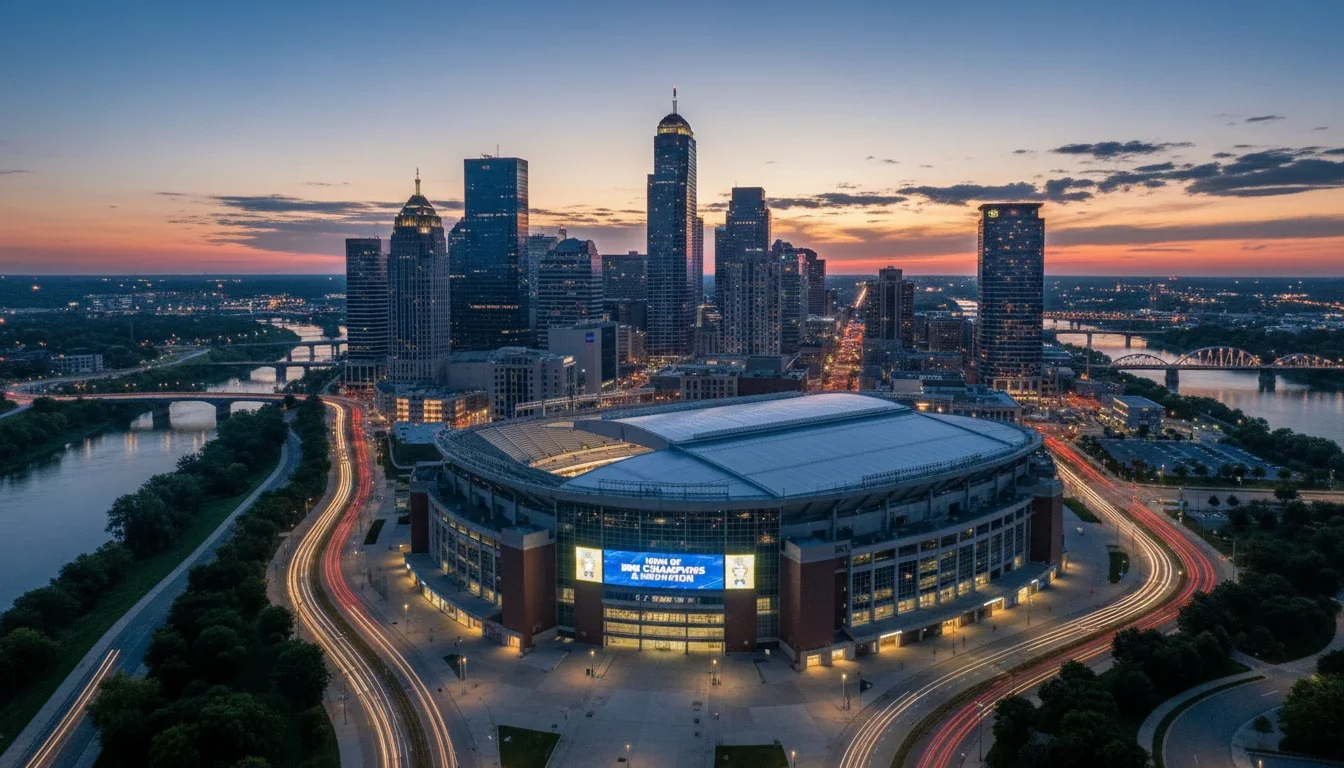
Indianapolis skyline and Lucas Oil Stadium, home to major events and conventions year-round
Why Indianapolis Is a Strong Market for Event Staff Work
Not every city creates consistent demand for event workers. Indianapolis does — and the reasons go beyond just having a big stadium.
The city has invested over $3 billion in convention infrastructure in recent years, with the Indiana Convention Center expanding to become one of the largest in the country. The planned Signia by Hilton hotel, connected directly to the convention center, will add hundreds of hotel rooms and one of the largest ballrooms in the state. That kind of infrastructure investment signals sustained demand for event professionals for years to come.
Indianapolis also hosts some of the country's highest-profile recurring events: the Indianapolis 500 at Indianapolis Motor Speedway, the Big Ten Championship, NCAA tournaments, and an ever-growing slate of corporate conventions and brand activations in the downtown corridor.
The Events That Drive Demand in Indy
Major sporting events — Colts games at Lucas Oil, the Indy 500, Big Ten and NCAA championships
Trade shows and conventions at the Indiana Convention Center
Corporate conferences, product launches, and B2B brand activations
Music festivals, concerts, and entertainment events
Private and luxury events in downtown hotels and event spaces
Experiential marketing campaigns from national brands
What Types of Roles Are Available?
Event staffing in Indianapolis covers a wide range of positions. Depending on the agency and the event, you might work as:
Brand Ambassador — representing a company or product at activations, trade shows, and retail events
Trade Show / Convention Staff — registration, guest management, booth support, and wayfinding
Hospitality Staff — bartenders, servers, and catering personnel for corporate and private events
Event Setup Crew — load-in, load-out, equipment placement, and breakdown
Event Usher or Ticket Taker — crowd management and guest flow at venues
Promotional Model — representing a brand in a polished, guest-facing capacity
Event Captain or Team Lead — supervising staff on-site for larger productions
Most agencies allow you to apply across multiple role categories, so breadth of skills is an asset.
How Premium Event Staffing Agencies Evaluate Applicants
Before you can get placed at a single event, you have to clear the agency's vetting process. At the premium end of the market, this isn't a formality — it's a genuine filter. The best agencies accept only a small percentage of applicants, and they invest in that selectivity because their reputation with clients depends on it.
Industry Insight: Top-tier event staffing agencies may receive tens of thousands of applications annually and hire only a fraction. The standard is high because the clients are demanding. Going in prepared — not just available — is what gets you through.
Step 1 — The Application (What Actually Gets Read)
Your initial application is a first impression, and agencies read it as such. They're looking for completeness, professionalism in how you present yourself, and clear evidence of relevant experience. Generic applications with vague experience descriptions get passed over. Specific, relevant details — the types of events you've worked, the brands you've represented, the number of attendees you've managed — make your application memorable.
Photos are often part of event staffing applications, particularly for client-facing roles. Use a recent, high-quality headshot taken in professional attire. Avoid casual selfies or group photos.
Step 2 — References and Work History
Agencies want to verify that you actually worked where you say you did, and that the people you worked with would vouch for you. Strong references from previous event clients, hospitality managers, or brand managers carry more weight than personal references. If you have previous staffing agency experience, listing those contacts specifically can accelerate the process.
Step 3 — The Background Check
Most reputable event staffing agencies run background checks as standard practice, especially for roles that involve working at branded activations for major clients, handling cash, or accessing restricted venue areas. A clean background is essential. If there's something in your history, be proactive and transparent — unexplained discrepancies are a red flag; disclosed context is manageable.
Step 4 — The Live Interview
Many premium agencies conduct live interviews — either in person, by video, or both. This is where your communication skills, professionalism, and personality become the deciding factors. Agencies are placing you in front of their clients; they need to know you can represent them well under pressure.
Come to your interview dressed at least as well as you would for the events you want to work. Know something about the agency, the types of events they staff, and the kinds of clients they serve. Ask thoughtful questions. Demonstrate that you're choosing them, not just applying anywhere.
Step 5 — Training and Trial Shifts
Many agencies require new hires to complete orientation or training before their first placement, covering event procedures, client service standards, and on-site protocols. Some run trial shifts — lower-stakes events where new staff can be observed and evaluated before being placed on premium bookings. Treat trial shifts like an audition, not a warm-up.
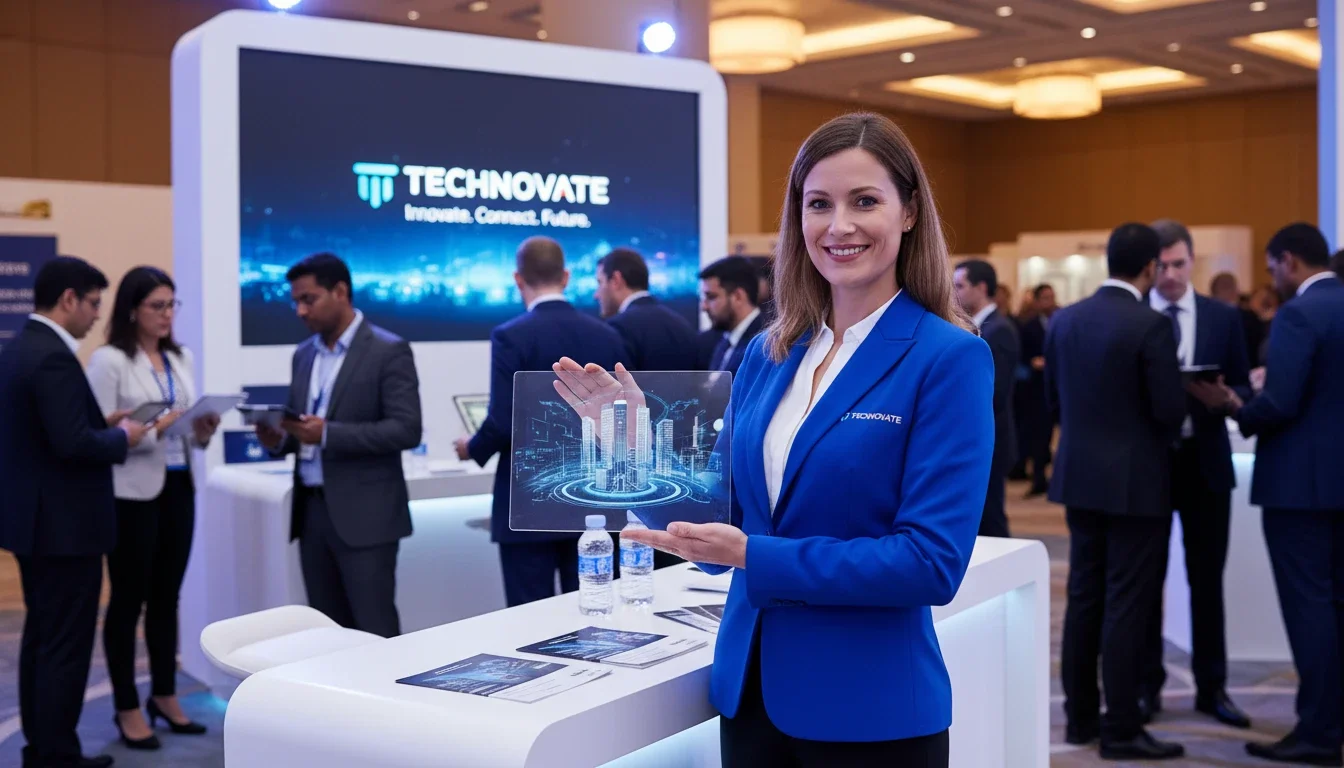
A professional brand ambassador representing a brand at a corporate activation event
What Agencies Specifically Look For in Indianapolis Event Staff
Beyond the process steps, there are specific qualities that distinguish candidates who get placed consistently from those who stall out after one shift. Here's what actually moves the needle.
Professional Presentation and Brand-Ready Appearance
Event staffing is a visual industry. Agencies place staff in front of clients and their customers, often at events with significant branding requirements. This doesn't mean you need to look a particular way — but it does mean you need to be able to adapt to dress codes, maintain a polished presentation, and understand that your appearance reflects on the agency's brand.
Agencies want to see that you take presentation seriously — from your application photo to how you show up to an interview. Staff who arrive to interviews in casual or sloppy attire rarely make it to event placement.
Reliability and Scheduling Flexibility
No-shows are the event industry's biggest operational nightmare. Agencies track attendance and punctuality carefully, and a single no-show can effectively end your relationship with an agency. Reliability is the non-negotiable baseline — everything else is built on top of it.
Equally important is scheduling flexibility. Most event work happens on evenings, weekends, and sometimes with short notice. Candidates who can work around these demands get booked more frequently. If your availability is highly restricted, be honest about it upfront — agencies would rather know your constraints than have you commit and cancel.
Communication Skills Under Pressure
Events are fast-moving, unpredictable environments. Staff who can communicate clearly with team leads, adapt to last-minute changes, and stay calm when things don't go as planned are worth their weight in gold to an agency. During your interview, agencies are assessing whether you can handle that environment — not just whether you want the job.
Relevant Experience (And How to Frame It If You Don't Have Much)
Direct event staffing experience is valuable, but it's not the only currency. Agencies recognize transferable skills from hospitality (bartending, serving, hotel front desk), retail (customer-facing sales, product demonstrations), and even theater or performance backgrounds (audience management, scripted interaction).
If you're newer to event work, focus your application on the soft skills that translate: handling high-traffic customer situations, adapting quickly, working in teams, and engaging confidently with strangers. Be specific about what you've done, even in non-event contexts, that demonstrates those capabilities.
How to Build a Profile That Gets You Booked
Your Resume vs. Your Agency Profile
An event staffing agency profile is not the same as a traditional resume. It's closer to a talent portfolio. Lead with your most relevant event or client-facing experience first, regardless of chronology. Include specific event types, attendance sizes, and client names where possible. Quantify your contributions — 'staffed 3-day convention with 5,000 attendees' is more compelling than 'worked event.
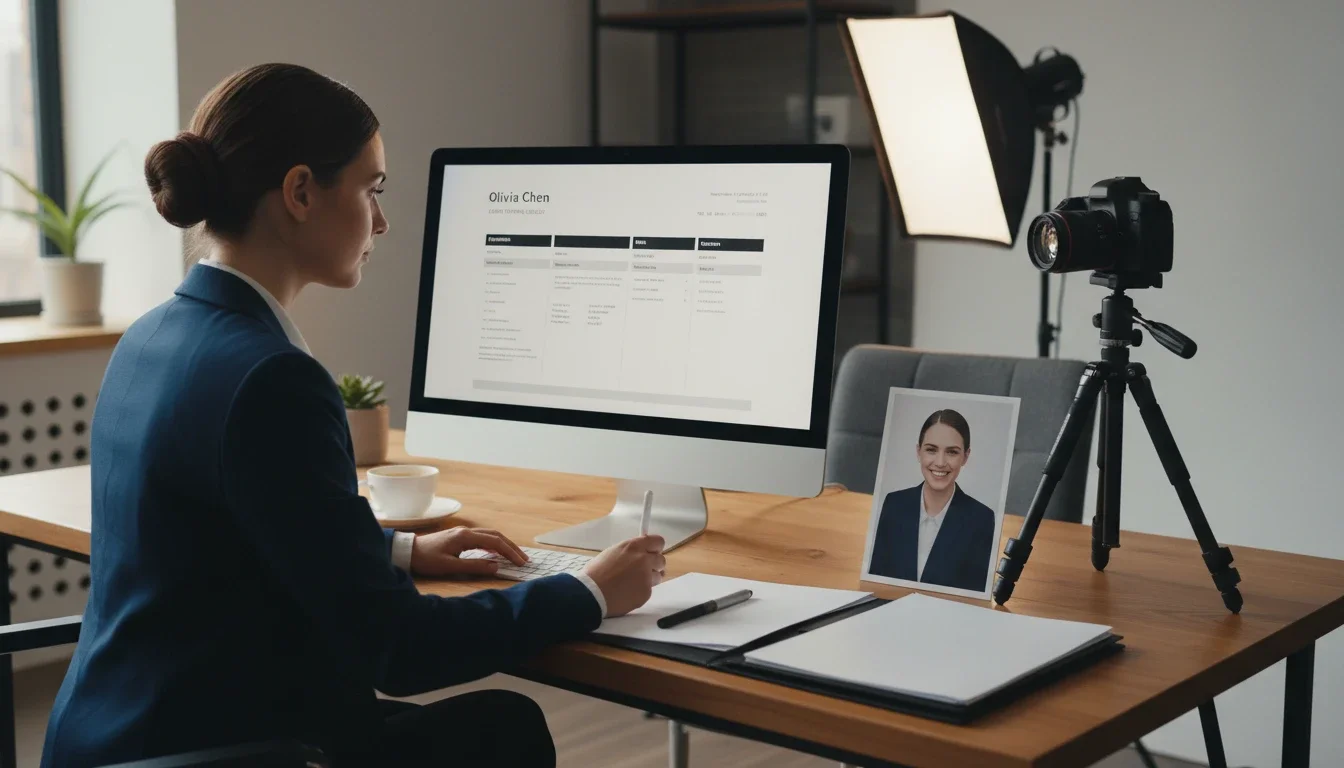
A job candidate preparing a polished resume and professional headshot for event staffing applications
Photos and First Impressions
Event agencies evaluate photos as part of your application — this is standard practice, not vanity. They need to envision you representing their clients. Include:
A professional headshot in clean, neutral attire
A full-length photo showing posture and overall presentation
Optional: action shots at previous events (if you have them and they're professional quality)
Avoid group photos, filter-heavy edits, or photos that could be interpreted as casual or unprofessional. Natural lighting and simple backgrounds work best.
Skills and Certifications That Help
Certain credentials give agencies more flexibility in placing you — and give you access to higher-paying roles:
SERVSAFE Food Handler Certification — required or preferred for catering and food-service event roles
Indiana Alcohol & Tobacco Commission (ATC) Server Permit — necessary for any role involving alcohol service
CPR/First Aid Certification — adds value for crowd-management and large-event roles
Fluency in additional languages — bilingual staff are in high demand for conventions with international attendance
Previous team lead or supervisory experience — opens doors to event captain roles with higher pay
Even if you don't have these certifications now, getting them proactively demonstrates initiative and opens more placement opportunities immediately.
Common Mistakes That Cost Applicants the Placement
The difference between candidates who get placed quickly and those who wait months is often not talent — it's avoidable errors in how they present themselves. Here are the most common:
Submitting an incomplete or vague application — if the form asks for event experience and you leave it blank, you're essentially opted out
Using a casual or low-quality headshot — agencies notice, and it signals that you don't understand the industry's standards
Being unclear about availability — if you say you're flexible but then can't work weekends, you erode trust quickly
Dressing down for interviews — agencies evaluate every interaction as if it's an audition
Failing to research the agency — not knowing what types of events they staff suggests low commitment
Ignoring follow-up communication — if an agency reaches out after your application and doesn't hear back promptly, they move on
Treating trial shifts as low-stakes — your first shift is an evaluation, not a guarantee of future work
How to Keep Getting Booked After Your First Shift
Getting through the vetting process is the beginning, not the finish line. The event staffing industry runs on reputation within the agency's internal network. Staff who become consistent top performers get first access to premium bookings.
Here's how to build that reputation:
Arrive early — at least 15 minutes before your call time, every time
Take initiative during downtime — ask your team lead what else needs attention instead of standing idle
Communicate proactively — if anything comes up before or during an event, tell your lead immediately
Represent the client's brand, not just yourself — know the brand you're working for and act accordingly
Ask for feedback after shifts — agencies and team leads remember staff who want to improve
Build relationships with team leads — they have significant influence over who gets called for future bookings
In the event staffing world, your reputation compounds. One great shift leads to another. Over time, your booking rate increases, you get access to better events, and your profile rises within the agency's talent roster.
Working With a Nationwide Agency in Indianapolis
One often-overlooked advantage of working with a national event staffing agency — rather than a local-only operation — is the breadth of events you can access. National agencies have client relationships with major brands, trade show organizers, and corporate event planners who operate across multiple cities. Staff who perform well in Indianapolis can sometimes be requested or recommended for out-of-market bookings.
Eleven8 Event Staff, for example, staffs events across the United States — from Los Angeles and New York to Chicago, Houston, Miami, and major convention markets in between. For Indianapolis-based workers, joining a national agency means access to a larger event ecosystem and the potential for expanded opportunities as your track record grows.
If you're ready to take the next step, explore event staff opportunities with Eleven8 — an agency that works with leading brands across the country and staffs events of every scale.