What It's Really Like to Work the Kentucky Derby as Event Staff
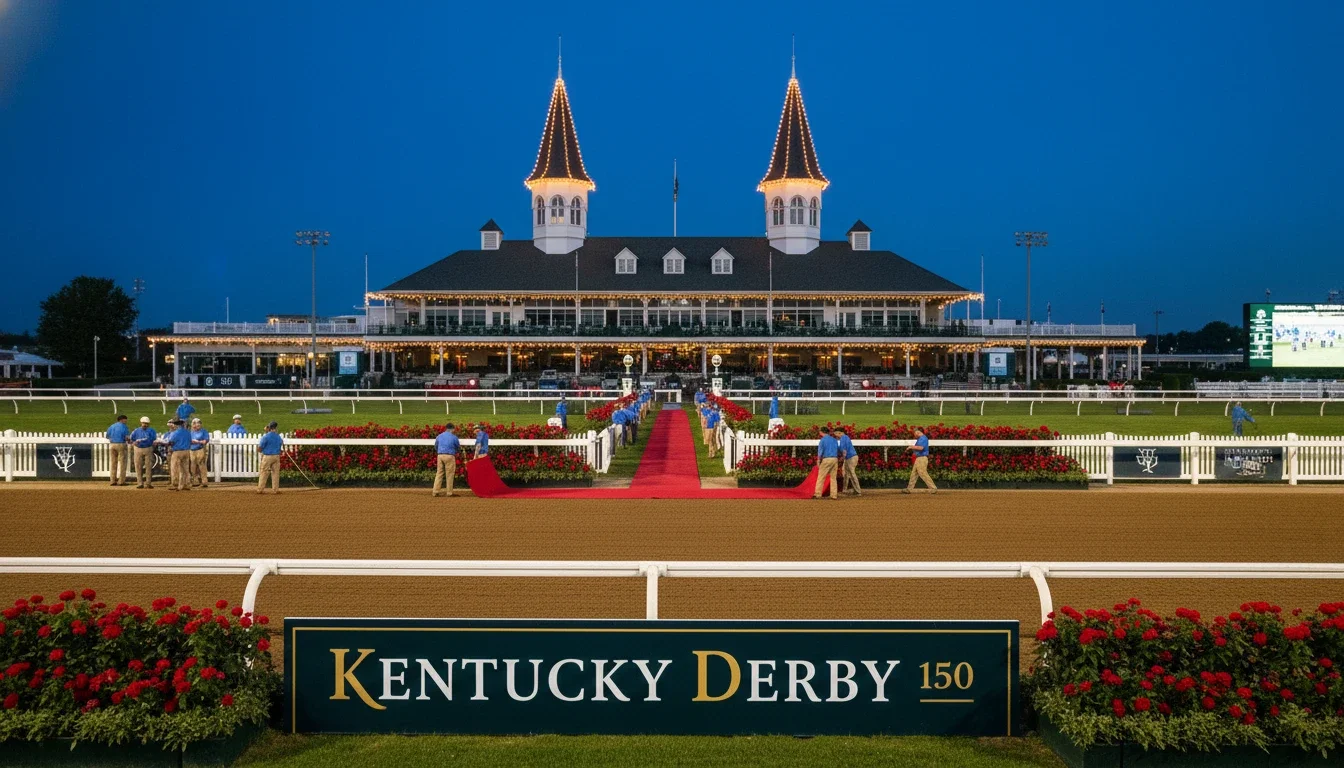
The iconic Twin Spires of Churchill Downs illuminated on Kentucky Derby day, with staff preparing the grounds
Most people know the Kentucky Derby as the greatest two minutes in sports. A 150-year-old tradition. The mint juleps, the elaborate hats, the roar of 150,000 people when the gates fly open at Churchill Downs.
But behind every flawlessly poured julep, every seamlessly managed VIP suite, and every smiling guest greeter standing in the Louisville heat is a team of event staff who made it all possible — and whose experience of Derby Day looks nothing like what you see on television.
If you've ever wondered what it's actually like to work the Kentucky Derby as event staff — not the glossy version, but the real one — this is your insider's guide. We'll walk through the roles, the reality, the physical demands, the rewards, and exactly how professional event staff land positions at one of the most iconic sporting events in the world.
Why the Kentucky Derby Is Unlike Any Other Event You'll Ever Work
There are large events. And then there's the Kentucky Derby.
Forbes has described it as one of the greatest bucket-list sporting events in America — and from a staffing perspective, it is in a category entirely its own. The Super Bowl draws roughly 70,000 attendees. The Kentucky Derby draws more than 150,000 people to Churchill Downs on a single Saturday afternoon, making it larger than nearly every other major American sporting event.
That scale changes everything about what it means to work it.
For event staff, the Derby isn't just a shift. It's a production that runs for an entire week — with Kentucky Oaks on Friday, Derby Day on Saturday, and the surrounding festivities known as Derby Week drawing crowds for days before the main event. Staff who work Churchill Downs during this period often describe it as the most intense, most memorable, and most professionally valuable event they've ever been a part of.
The reason is simple: there is no training environment in event staffing that quite replicates it.
The Scale of It: What You're Actually Walking Into
Churchill Downs by the Numbers
Before your first shift, it helps to understand exactly what you're walking into. Churchill Downs isn't just a racetrack — it's a temporary city that's constructed specifically for Derby Week.
150,000+ on-track attendees on Derby Day alone
Approximately 20,000 meals served across the venue by food service staff
Around 1,000 food and beverage staff working the entire Churchill Downs complex
Dozens of luxury suites, tents, and VIP hospitality zones requiring dedicated attendants
A Spring Meet that runs for nine weeks — with Derby Week as its peak
Multiple staff partners including culinary companies, guest services contractors, and staffing agencies
The planning for Derby Week begins a full year in advance. Suites, tents, and perimeter infrastructure are temporarily constructed specifically for the event. As one Churchill Downs operations director noted publicly, the execution is genuinely a year-round effort — and no one who shows up to work it unprepared lasts long.
The Roles: What Event Staff Actually Do at the Kentucky Derby
The Kentucky Derby requires a workforce spanning dozens of specialized roles. Here's a breakdown of what event staff actually do on the ground at Churchill Downs — and what each role demands from the people filling it.
Hospitality & Suite Attendants
Hospitality and suite attendants are the face of the premium experience at the Derby. They work in the exclusive VIP areas — luxury suites, private tents, and premium dining zones — delivering a level of personalized service that guests at this price point demand.
This role requires composure under pressure, discretion, and the ability to manage high expectations from clients who are accustomed to world-class service. Suite attendants often coordinate private betting arrangements, ensure uninterrupted views of the race, and provide anything from champagne service to concierge-style support throughout the day.
It is not a role for someone new to hospitality. The best suite attendants are professionals who understand that the guest's experience is everything — even when the infield is chaotic and the lines at every concession stand stretch for a hundred yards.
Catering Staff, Servers, and Bartenders
Catering is the largest single staffing category at the Kentucky Derby, and for good reason. With 20,000 meals served at the Downs during the event and a culinary partner managing multiple food zones, the demand for skilled catering professionals is enormous.
Catering staff at Churchill Downs include tray passers, buffet servers, plated dinner servers, and bartenders. Bartenders in particular hold a unique position: at the Kentucky Derby, the mint julep isn't just a cocktail — it's a cultural institution. Crafting them efficiently and correctly for thousands of guests while maintaining energy and professionalism throughout the day is genuinely demanding work.
Servers navigate one of the most complex event footprints in American sports — an expansive venue with multiple levels, sections, and service zones, all requiring coordinated movement throughout a long and physically intense day.
Catering staff are expected to arrive early for setup, maintain service standards throughout peak crowd periods, and assist with cleanup after the event concludes. Shifts during Derby Week frequently run 10 to 12 hours.
Guest Services and Check-In Staff
At an event with 150,000 attendees, guest services staff are the first and last impression Churchill Downs makes on every single person who walks through the gates.
Guest services representatives — identifiable in their red shirts and coats — are stationed at gates, information points, and throughout the facility to help guests navigate the venue. Ushers in yellow shirts and windbreakers guide people to their seats and manage traffic flow between sections.
Check-in and registration staff manage entry logistics, VIP credential verification, and the real-time problem-solving that comes with any event of this scale. If a guest's ticket won't scan, if a credential is missing, if someone with mobility needs requires assistance — it all lands with the guest services team.
The job demands patience, clear communication, and the ability to stay calm when someone is frustrated, lost, or certain that their problem is the most important thing happening in that moment. During peak ingress periods before post time, this is high-pressure work.
Brand Ambassadors and Promotional Staff
The Kentucky Derby is one of the most sponsor-saturated events in American sports. Every major brand with a presence at the Derby — from bourbon distilleries to luxury automotive brands to fashion houses — needs professional brand ambassadors to represent them on the ground.
Brand ambassadors at the Derby engage with guests, promote products, distribute materials, support experiential activations, and serve as the human interface between sponsors and the 150,000 people streaming through Churchill Downs. The work requires charisma, product knowledge, and the ability to maintain energy across a long and demanding day.
This is also one of the roles where professional staffing agency placement makes the biggest difference. Brands at an event like the Derby are not willing to risk their activation on someone who shows up unprepared. They want staffed professionals who have been vetted, trained, and matched specifically to their brand's audience and aesthetic.
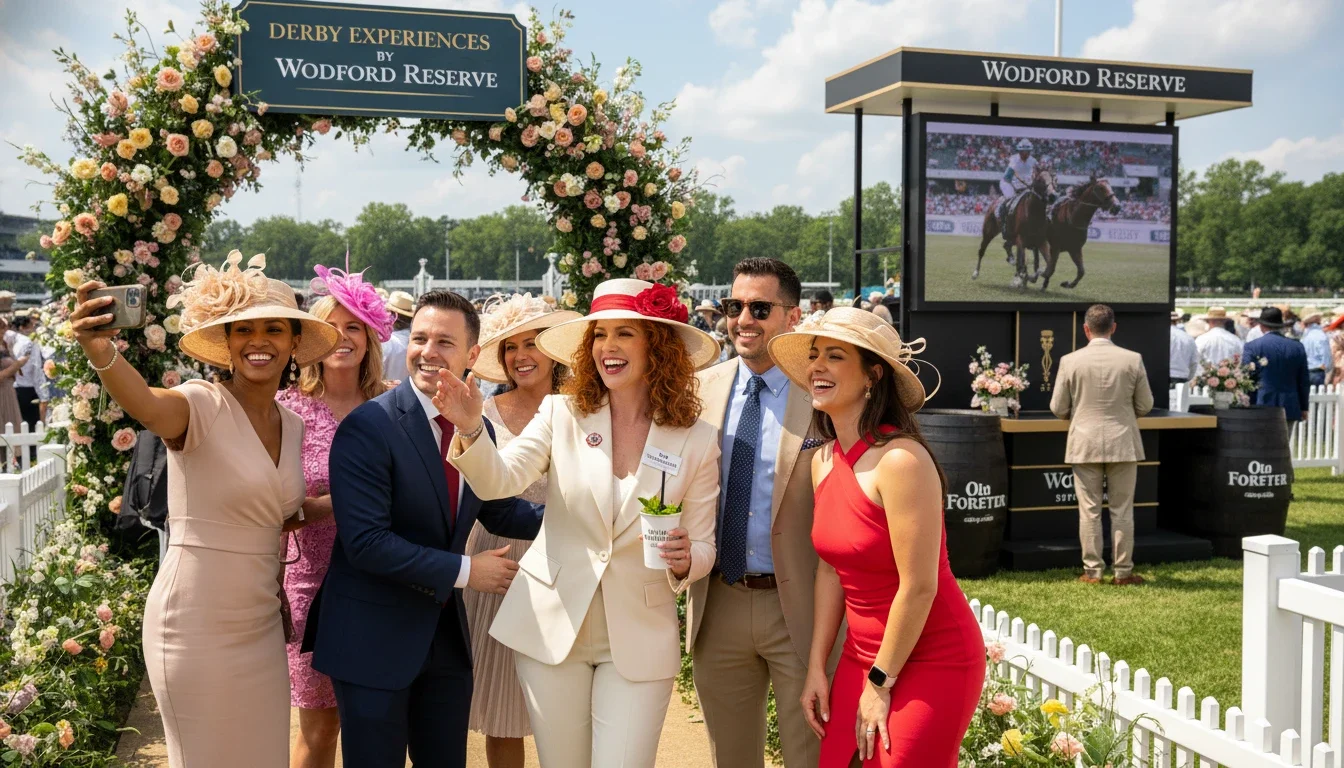
Professional brand ambassador engaging with guests in the Kentucky Derby grounds near sponsor activations
Security and Crowd Management Staff
Managing crowd flow and safety at an event with 150,000 people requires a large, coordinated security team working in partnership with local, state, and federal law enforcement. Security staff at Churchill Downs handle gate screening, crowd management, incident response, and the constant movement of people across an enormous facility.
This role demands composure, situational awareness, and clear communication — especially during high-energy moments like the minutes leading up to the race itself, when the energy in the crowd shifts dramatically and thousands of people are moving simultaneously.
Derby Week: The Schedule No One Warns You About
From Thurby to Derby Day: The Full Week Breakdown
Most people think of the Kentucky Derby as a Saturday event. Event staff quickly learn it's a week-long endurance test.
Churchill Downs' Spring Meet runs for nine weeks, but Derby Week is its core. In the days leading up to the First Saturday in May, crowds begin building. The Thursday before the race — informally known as 'Thurby' — draws roughly 40,000 attendees on its own, as racing fans and Louisville locals kick off the week's festivities early.
Kentucky Oaks, held on the Friday before the Derby, is a major race in its own right and draws its own full-scale crowd. For event staff, this means many roles begin ramping up by mid-week and peak across two consecutive days of enormous attendance.
Staff who take on multiple shifts across Derby Week describe it as physically and mentally demanding in a way that one-day events simply aren't. The cumulative hours, the sustained intensity, and the sheer logistics of working back-to-back major event days require genuine professional stamina.
What a Typical Shift Looks Like
For most catering, hospitality, and guest services roles, a Derby Day shift begins well before the gates open. Pre-event setup — laying out service stations, staging food and beverage inventory, preparing uniforms and materials — starts in the early morning hours.
Once guests begin arriving, the pace intensifies rapidly. Experienced staff describe the ingress period as one of the most demanding stretches of the day: thousands of people arriving simultaneously, many of them navigating Churchill Downs for the first time, all of them eager to find their section, place their bets, and secure their first round of drinks before post time.
The race itself — those famous two minutes — is paradoxically one of the quietest moments of the day for most staff. Many describe pausing, looking up, and absorbing what's happening around them in those two minutes as one of the more striking moments of working the event.
After the race, the cleanup and breakdown process begins — and it's no small task. Thousands of people exiting simultaneously, service areas to clear and pack down, and the kind of post-event fatigue that only comes from truly full-day events.
By the time most event staff walk off the Churchill Downs grounds on Derby Day, they've been on their feet for 10 to 14 hours.
The Real Experience: What Veteran Staff Say
The Energy Is Unlike Anything Else
Long-time Churchill Downs workers consistently describe one thing above all others: the energy. There is something distinctive about working an event that has been held continuously since 1875 — one where everyone in attendance, from the guests in the infield to the patrons in the luxury suites, is genuinely excited to be there.
That shared enthusiasm changes the character of the work in ways that are hard to explain until you've experienced it. Guests are more generous. The atmosphere is more festive. Even the most demanding hospitality roles feel different when the people you're serving are genuinely thrilled to be in front of you.
Veterans of the Derby staff culture note that this energy is precisely why so many of them come back year after year. Some have worked Derby Day for a decade or more. It becomes part of their professional identity — and part of their personal calendar.
The Physical Demands Are Real
Anyone considering event staff roles at the Kentucky Derby should be clear-eyed about the physical reality of the work. Long hours on your feet, often in the heat of an early May Kentucky afternoon, across a massive venue with significant distances between service zones — this is not light work.
The workspaces can be crowded. Break opportunities are limited during peak periods. The pace during ingress and around race time is relentless.
Experienced event staff emphasize the importance of physical preparation: good footwear, strategic hydration, meals before arriving, and the mental acceptance that you will be tired by the end of the day. That fatigue, they note, is part of what makes the experience feel significant.
The Payoff Goes Beyond the Paycheck
Working the Kentucky Derby pays. Hospitality staff roles average around $35,000 annually when tracked as regular employment, and experienced managers and specialists earn considerably more. But for the event staff professional, the payoff of working the Derby extends beyond the hourly rate.
There's the resume value — being able to point to Churchill Downs as an event you've staffed professionally carries weight in the industry. There's the skill acceleration — you will learn more about managing high-volume, high-pressure event environments in one Derby Week than you might in months of ordinary event work.
And there's something harder to quantify: the sense of having been part of something genuinely historic. The Kentucky Derby has run every year since 1875. Working it puts you in company with generations of professionals who built careers in and around one of America's greatest sporting traditions.
Professional hospitality staff members smiling during a high-energy event shift at a major sporting venue
Challenges Every Event Staff Member Needs to Prepare For
Alongside the excitement and prestige, working the Kentucky Derby presents real challenges that separate prepared professionals from those who struggle. Here's what to expect:
Weather variability: Early May in Louisville can be hot, humid, rainy, or all three in a single day. Event staff are outside or in partially open spaces for long stretches, often with no control over the conditions.
Crowd management complexity: 150,000 people in one venue creates constant logistical pressure. Navigating between service zones, managing guest flow, and maintaining composure when areas become congested takes experience.
Shift length and fatigue: Pre-event setup through post-event breakdown routinely means 10-14 hour days. Physical endurance is genuinely required — not a plus.
High guest expectations: Derby guests — especially in premium sections — expect world-class service throughout the day, not just at the beginning when energy is high. Maintaining that standard late in the shift is where professional staff separate themselves.
Communication under pressure: With large teams spread across a massive venue, real-time communication breakdowns can cascade quickly. Staff who proactively communicate and escalate issues early keep events running smoothly.
Dress codes and presentation standards: Many Derby staff roles require specific attire — from the red and yellow shirts of guest services to formal uniforms for suite and catering roles. Arriving polished and maintaining appearance throughout the day is non-negotiable.
How to Get Hired to Work the Kentucky Derby
Applying Through Official Channels
Churchill Downs holds job fairs in the weeks and months leading up to the Derby, typically partnering with companies like its culinary service partner, guest services contractors, and Andy Frain Services. Roles available through these channels include catering, cleaning and janitorial, concessions, culinary, food service, guest services, and security.
The application process at these job fairs is generally straightforward — applicants complete paperwork, interview on-site, and receive scheduling information quickly if hired. Most interviews focus on relevant experience and availability during the Spring Meet period, which runs from late April through June.
Booking early matters. Popular roles fill quickly, and staff who express interest well in advance of Derby Week get first consideration for the best assignments.
Partnering With a Professional Event Staffing Agency
For event staff professionals looking to work major events consistently — not just the Kentucky Derby, but events of this caliber throughout the year — partnering with a professional event staffing agency is the most effective path.
The distinction matters. Direct hire through a venue or event partner gives you access to a single event. Agency partnership gives you access to a pipeline of premium events — brand activations, conventions, sporting events, corporate functions, and high-profile hospitality engagements across multiple markets.
Agencies like Eleven8 Event Staff operate with a pre-vetted, roster-based model that places trained professionals into events with the right fit for their skills and experience. Rather than reactive recruitment — sourcing staff after a booking comes in — Eleven8 maintains an active roster of professionals who are matched to specific events based on the event type, brand, and audience.
For a brand or event organizer staffing premium activations at events like the Kentucky Derby, this approach eliminates the risk of sending someone unprepared into a high-stakes environment. For the event staff professional, it creates consistent access to the best assignments.
If you're serious about building an event staffing career that puts you at premier events, a relationship with a quality staffing agency is how you get there.
Tips for Thriving (Not Just Surviving) on Derby Day
If you want to not just work the Derby but distinguish yourself as someone worth rehiring, here's what the best event staff do consistently:
Arrive early. Show up before your call time. Familiarize yourself with your zone before guests arrive. Early staff are trusted staff.
Invest in your footwear. You will be on your feet for over ten hours. The difference between quality, properly fitting shoes and an ordinary pair is the difference between performing well and struggling through the afternoon.
Hydrate strategically. Early May in Louisville can be warm and humid. Drink water before your shift begins, not after you're already feeling the heat.
Know your zone cold. Understand the layout of your assigned area before guests arrive. The most common guest complaint at any large event is staff who can't answer basic directional questions.
Communicate proactively. If something is running low, going wrong, or about to become a problem — say something immediately. Proactive communication is the hallmark of professional event staff.
Maintain your energy. The guests arriving in the final two hours of the event deserve the same quality of service as those who arrived at the beginning. Your ability to sustain professionalism through fatigue is what makes you a top-tier hire.
Absorb the experience. Working the Kentucky Derby is genuinely remarkable. Allow yourself to appreciate the atmosphere, the history, and the privilege of being part of it — without losing focus on your work.
Why Major Event Experience Matters for Your Career in Event Staffing
The event staffing industry rewards demonstrated experience at high-profile, complex events. Working the Kentucky Derby is a credential that carries real weight — because anyone who has staffed an event of that scale and complexity has been tested in ways that smaller events simply don't replicate.
The skills developed at the Derby — managing peak-volume crowds, maintaining service standards over long shifts, operating as part of a large coordinated team across a massive venue — are directly transferable to every premium event environment. Conventions, brand activations, corporate galas, product launches, and sporting events all reward the same core competencies.
For event staff professionals, the path to the most prestigious and best-compensated work runs through events like the Kentucky Derby. They accelerate your skills, expand your network, build your reputation with the agencies and clients who staff events at the highest level, and give you the kind of experience that makes you an easy yes when the next great event comes available.
Eleven8 Event Staff works with professionals who have exactly this kind of background — and with brands and clients who specifically seek that caliber of experience when they're staffing major events. If you're building an event staffing career and you want to be considered for the events that matter, it starts with building a record at events that push you.