Brand Activations and Hospitality at Yankee Stadium
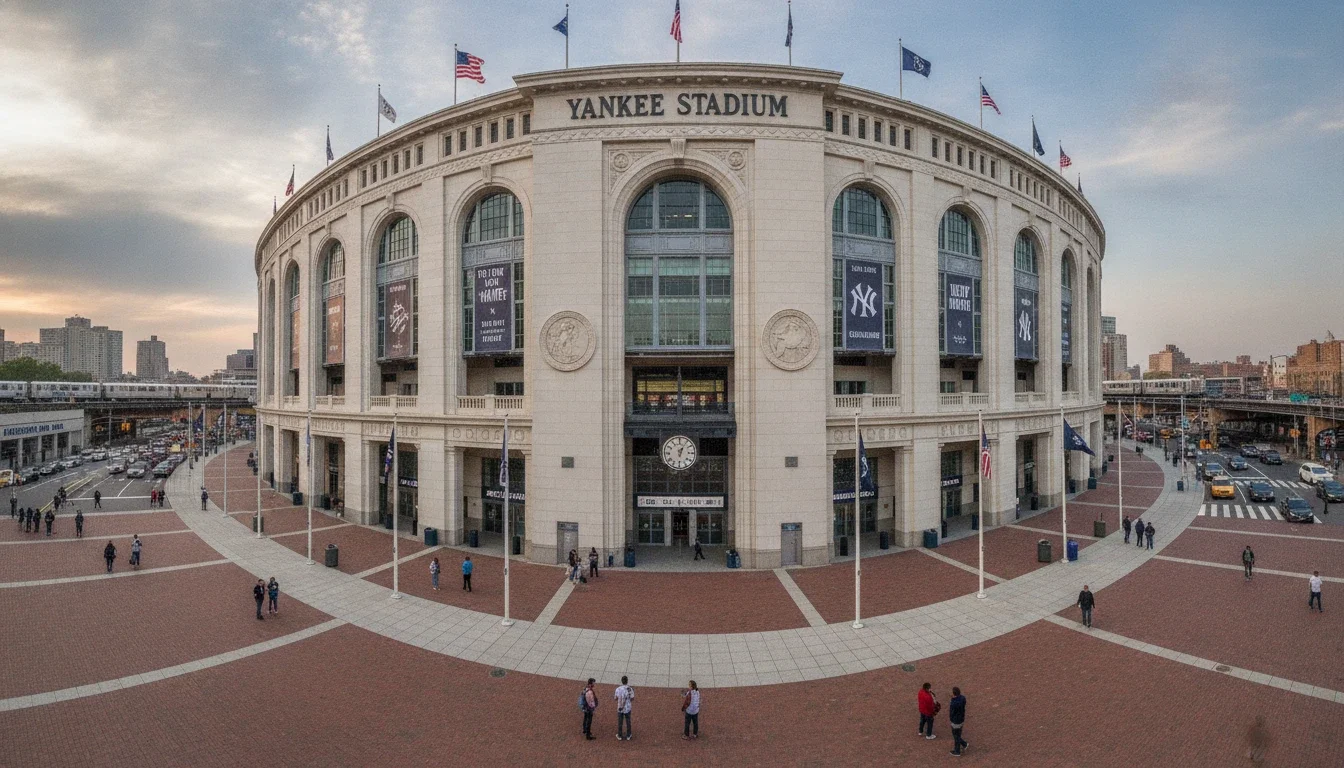
The exterior facade of Yankee Stadium in the South Bronx, New York City
There is no neutral setting at Yankee Stadium. The moment a guest steps through those gates, they are inside one of the most emotionally charged sports venues on the planet — 47,309 seats, decades of dynasty mythology, and a crowd that brings an energy level most brands spend years trying to manufacture. That makes Yankee Stadium one of the most powerful canvases for brand activations in the United States.
It also makes it one of the most unforgiving.
The same density that creates opportunity — 40,000+ attendees cycling through concourses, luxury suites, and branded zones across a three- to four-hour window — is exactly what makes poor staffing visible the moment it occurs. An undertrained brand ambassador at the wrong post, a suite hospitality team that can't keep pace during the second-inning rush, a registration table that slows to a crawl before first pitch: at Yankee Stadium, every misstep happens in front of a very large audience.
This guide is the operational playbook brands need before they execute at The Bronx. It covers the venue's key activation zones. These staffing roles deliver results at each one, the logistics NYC demands, and the planning framework that separates standout activations from forgettable ones.
Why Yankee Stadium Is a Brand Activation Goldmine
Foot Traffic, Demographics, and Dwell Time
A sold-out Yankees home game draws roughly 47,000 fans — but the activation opportunity extends well beyond that headline number. Fans typically arrive one to two hours before first pitch and linger through post-game traffic. That creates a dwell window of three to five hours per visit, during which engaged, recreationally-minded consumers are genuinely open to brand interaction in a way they simply are not on a midtown commute.
The Yankee Stadium audience skews affluent, brand-loyal, and local to the tri-state metro area — exactly the demographic profile that premium consumer goods, financial services, automotive, and tech brands target. For sponsors already inside the ecosystem (Mastercard, Audi, Michelob ULTRA, Delta, Pepsi, and more are all embedded in the venue's naming rights and hospitality zones), a well-executed activation is the activation of a relationship already formed.
A Year-Round Event Calendar Far Beyond Baseball
Yankee Stadium's value to brands isn't limited to the MLB regular season. The venue hosts concerts (Jay-Z holds two back-to-back nights in July 2026), international soccer matches (Liverpool FC vs. Wrexham is scheduled for late July 2026), college football (the Cortaca Jug game returns in November 2026), the Pinstripe Bowl, and a range of corporate and social private events year-round. The venue's Great Hall, conference center, and suite-level spaces are available for off-game-day corporate events, which means brands can access the Yankee Stadium backdrop without competing with a full baseball crowd if their activation suits a more controlled setting.
An Existing Sponsorship Ecosystem
Few venues offer what Yankee Stadium does from a sponsorship infrastructure standpoint: named zones (Mastercard Batter's Eye Deck, Audi Yankees Club, Delta SKY360 Suite, Michelob ULTRA Clubhouse), official hospitality management through Legends Hospitality, and a well-defined permitting process for brand activations. For brands already holding sponsorship agreements with the Yankees, execution is largely a matter of planning and staffing correctly. For non-sponsor brands activating in surrounding areas or targeting attendee traffic outside the gates, the neighborhood footprint of the South Bronx is increasingly accessible.
Mapping the Venue — Yankee Stadium's Key Activation Zones
Understanding where to place staff starts with understanding the spaces. Yankee Stadium's branded hospitality zones have distinct traffic profiles, attendee expectations, and staffing requirements.
The Great Hall
The Great Hall is the stadium's primary entrance corridor — a cavernous, high-ceilinged space that functions as the main thoroughfare for arriving guests. It is the highest-traffic zone in the venue before game time, and it is where first impressions happen at scale. Brand activations here need ambassadors who are trained to engage moving crowds, create curiosity moments without causing bottlenecks, and represent brands in a setting that can feel hectic during the pre-game surge. Sampling, digital engagement kiosks, and branded giveaway stations all perform well here with the right staff support.
Mastercard Batter's Eye Deck
Located in center field, this outdoor gathering space offers clear sightlines to the field with all-inclusive food and beverage included for up to 90 minutes before game time. It is designed for group experiences — the kind of activation where a brand brings its top clients or contest winners and wants to create a premium, curated memory. Staffing here should blend hospitality concierge skills with brand ambassador energy: staff need to know the space, manage the guest experience timeline, and represent the brand in an intimate, relationship-building context.
Delta SKY360 Suite Level
The Delta SKY360° Suites represent the upper tier of in-game corporate hospitality. These are private, climate-controlled spaces with all-inclusive food and beverage, ideal for B2B client entertainment. Brands that book Delta SKY360 suites for client hospitality events need staff who understand fine-dining service standards, discretion, and the pacing of a four-hour corporate entertainment experience. This is not brand ambassador territory — this is the domain of seasoned hospitality professionals: suite hosts, F&B attendants, and event concierge staff.
Legends Suite Club
Named for the Yankees' in-house hospitality company, the Legends Suite Club is among the most exclusive event spaces in the venue. Access is premium, and the audience expects premium service to match. Brands using this space for client dinners, VIP launches, or investor experiences need white-glove hospitality staff capable of executing at a level that matches the setting.
Audi Yankees Club
Located on the Coupa Suite Level in left field, the Audi Yankees Club is a branded hospitality suite that blends the stadium atmosphere with upscale lounge-style service. The automotive partner branding signals the demographic: affluent, lifestyle-oriented consumers. This space is well-suited to product reveals, VIP test-drive integrations, or luxury brand hospitality programs requiring stylish, composed event hosts.
DigaCore Banquet & Conference Center
One of the most versatile off-field spaces in the venue. The DigaCore Banquet & Conference Center can host trade shows, product launches, press conferences, and large-scale corporate meetings — completely independent of game-day events. Brands that want the Yankee Stadium name and backdrop without the full-capacity game-day complexity should consider this space. Staff needs here shift to conference and expo profiles: registration teams, A/V support, trade show brand ambassadors, and event coordinators.
Pepsi Food Court & Concourse
The concourse is the fan's natural habitat. This is high-dwell, high-energy territory where sampling programs, branded games, and promotional giveaways generate the most organic reach. Concourse activations require ambassadors who are physically energetic, crowd-comfortable, and trained in brand messaging for fast interactions — the average exchange here lasts 30 to 90 seconds, and volume of engagement is the metric that matters.
Staffing Roles That Make or Break a Yankee Stadium Activation
The difference between a Yankee Stadium activation that generates social media buzz and one that quietly fades is almost always traceable to staffing. Here is how the core roles break down for activation and hospitality contexts at this venue.
Brand Ambassadors & Experiential Staff
Brand ambassadors are the frontline of any activation. At Yankee Stadium, they need to be more than conventionally attractive or outgoing — they need to be trained on your brand messaging, adept at engaging a sports crowd without disrupting the game experience, and capable of operating with minimal supervision during high-traffic periods. For concourse and Great Hall deployments, look for ambassadors with sampling, demo, or promotional street team experience. For suite-level or VIP zone placements, ambassadors need a hospitality polish on top of promotional skills.
Internal link: Eleven8's brand ambassadors for your activation are pre-vetted against the top 3.5% of applicants and trained before event day — see our brand ambassador services.
Hospitality & Suite Concierge Staff
Suite hospitality is an entirely different discipline from brand activation. Guests in the Delta SKY360, Legends Club, or Audi Yankees Club are paying a significant premium for a curated, seamless experience. Staff here should have a background in luxury hotel service, private club management, or high-end catering — and they should be briefed on your brand's guest experience standards just as thoroughly as any front-facing ambassador. This is where client relationships are deepened or lost.
Bartenders & Food and Beverage Teams
Whether you are running an all-inclusive suite buyout, a sponsor zone with branded cocktail stations, or a branded beer garden during pre-game, your F&B staff are a brand touchpoint. Slow service or untrained bartenders at a branded bar does not just create a poor experience — it communicates brand values by proxy. Bartenders at high-volume stadium settings need both speed and warmth, and they should be ROI-certified and familiar with New York State liquor service compliance.
Internal link: Eleven8's bartenders and beverage service teams bring both speed and service quality to high-volume stadium settings.
Registration & Check-In Staff
For suite buyouts, corporate hospitality events, or ticketed activations, check-in is the guest's first live interaction with your brand. A smooth, well-branded registration experience signals professionalism and sets the tone for everything that follows. Registration staff need to be trained on your guest list system, troubleshooting protocols, and brand-appropriate greeting language — not just handed a tablet and told to check people in.
Internal link: Eleven8's registration and check-in staff are briefed on client systems before every event.
Production Assistants
At any activation of meaningful scale, production assistants are the operational backbone — handling setup, load-in coordination, tech support, and real-time problem-solving throughout event day. At Yankee Stadium, where access credentials, loading dock schedules, and Legends Hospitality vendor protocols all add layers of complexity, experienced production assistants are particularly valuable. They ensure the activation runs on venue time, not agency time.
Ushers, Hosts & Crowd Flow Staff
Crowd management at a stadium of Yankee Stadium's scale is a professional specialty. Ushers and flow staff positioned at activation zones, suite corridors, and dedicated access points ensure that your brand space does not become a chokepoint during peak ingress. For brands hosting private events at the DigaCore Conference Center or Great Hall, professional hosts also play a reception and wayfinding role that shapes the guest experience from arrival.
Quick Reference: Yankee Stadium Activation Staffing Roles
| Role | Best Deployment Zones | Key Skills |
|---|---|---|
| Brand Ambassadors | Great Hall, Concourse, Batter's Eye Deck | Brand messaging, sampling, crowd engagement |
| Suite Concierge / Hosts | Delta SKY360, Legends Club, Audi Club | Luxury hospitality, guest relations, discretion |
| Bartenders & F&B Staff | All hospitality zones, branded bars | Speed, compliance, brand warmth |
| Registration Staff | Suite entry, conference center, VIP access | Systems training, professional greeting |
| Production Assistants | Back-of-house, load-in, tech support | Logistics, problem-solving, venue protocol |
| Ushers & Flow Staff | All high-traffic corridors, activation zone entry | Crowd management, wayfinding, professionalism |
| Street Teams (Exterior) | 161st Street, surrounding blocks, fan zones | High energy, brand messaging, pedestrian engagement |
Building Your Activation Staffing Plan — A Step-by-Step Framework
Pre-Event Planning: 8–12 Weeks Out
The brands that execute smoothly at Yankee Stadium start early. Eight to twelve weeks out, you should have confirmed your zone or space agreement with the Yankees Events team, initiated your staffing request with your agency, and begun collecting the credentials required for venue access. Key pre-event decisions include:
Zone selection and space contract with the Yankee Stadium / Yankees Events team
Staffing role matrix based on activation goals and zone logistics
Certificate of Insurance (COI) submission to venue requirements
Legends Hospitality vendor coordination (if F&B is involved in-venue)
Staff headcount planning — with built-in backup coverage from day one
Staff Briefing & Brand Training
The 48 hours before your event are where activations are made or broken on the staffing side. Staff who show up on event day without a brand brief, a clear post assignment, and a contingency protocol are a liability, not an asset. A rigorous pre-event briefing should cover:
Brand messaging: product USPs, campaign narrative, talking points, what not to say
Post assignments: exactly where each staff member stands, their zone perimeter, and who they report to on-site
Guest interaction protocols: greeting scripts, escalation paths, photography/social media guidance
Venue-specific procedures: credentialing, entry gates, emergency exits, supervisor contacts
Backup protocols: how the team absorbs a no-show without disrupting the activation
Event-Day Deployment
Arrive early — at minimum two hours before your activation window opens, which for a Yankees game means being credentialed and positioned before gates open to the public. Real-time communication channels between on-site supervisors, the staffing agency's off-site operations team, and the client point of contact keep issues from becoming problems. Key event-day discipline points:
Staff roll call at the designated meeting point (not near guest access points)
Supervisor walkthrough of all activation zones before doors open
Live communication channel active with offsite operations manager throughout the event
Mid-event check-in at halftime/seventh-inning stretch equivalent for reset and pivot
Post-Event Reporting
Data from your event day is only useful if it is captured and reviewed. Best-in-class staffing agencies provide a post-event wrap report that includes attendance metrics, staff performance ratings, guest feedback, and recommendations for the next activation. Brands running multi-game sponsorship packages or tour-based activations should use post-event data to optimize staffing allocations across subsequent events.
NYC Logistics Every Brand Needs to Get Right
Certificate of Insurance Requirements
Yankee Stadium requires vendors and activation operators to carry general liability insurance, workers' compensation coverage, and — in most cases — excess/umbrella coverage. COI requirements vary by activation scope and contract type. Submit your COI to the venue's events team early; missing or incorrect insurance documentation is one of the most common causes of last-minute activation complications. A staffing agency that provides fully insured staff simplifies this process significantly.
Working With Legends Hospitality
The New York Yankees' official hospitality and F&B management partner is Legends Hospitality, which controls in-venue food and beverage operations. If your activation involves any food or drink service inside the stadium proper, you will be coordinating with Legends — either using their approved menus and service protocols or working within their vendor framework. Understanding this relationship early prevents expensive surprises and helps your staffing team plan service sequences that align with Legends' operational flow.
Permit, Access & Credentialing
Every person entering the operational areas of Yankee Stadium on event day needs a credential — and credentials must be requested, approved, and distributed ahead of game day. For activations with large staffing teams, the credentialing list must be submitted in advance and is non-negotiable. Additionally, exterior activations in the surrounding blocks of the South Bronx fall under New York City parks and NYPD permitting jurisdiction, which has its own timeline and documentation requirements.
Built-In Backup Staffing Coverage
At a venue of this scale, a no-show is not just an inconvenience — it can visibly compromise an activation in front of tens of thousands of people. Building backup coverage into your staffing plan from the outset is non-negotiable for stadium-scale events. Eleven8's standard protocol includes one pre-briefed backup for every eight staff, already credentialed and on standby before your event opens — so your activation runs at full strength regardless of last-minute changes.
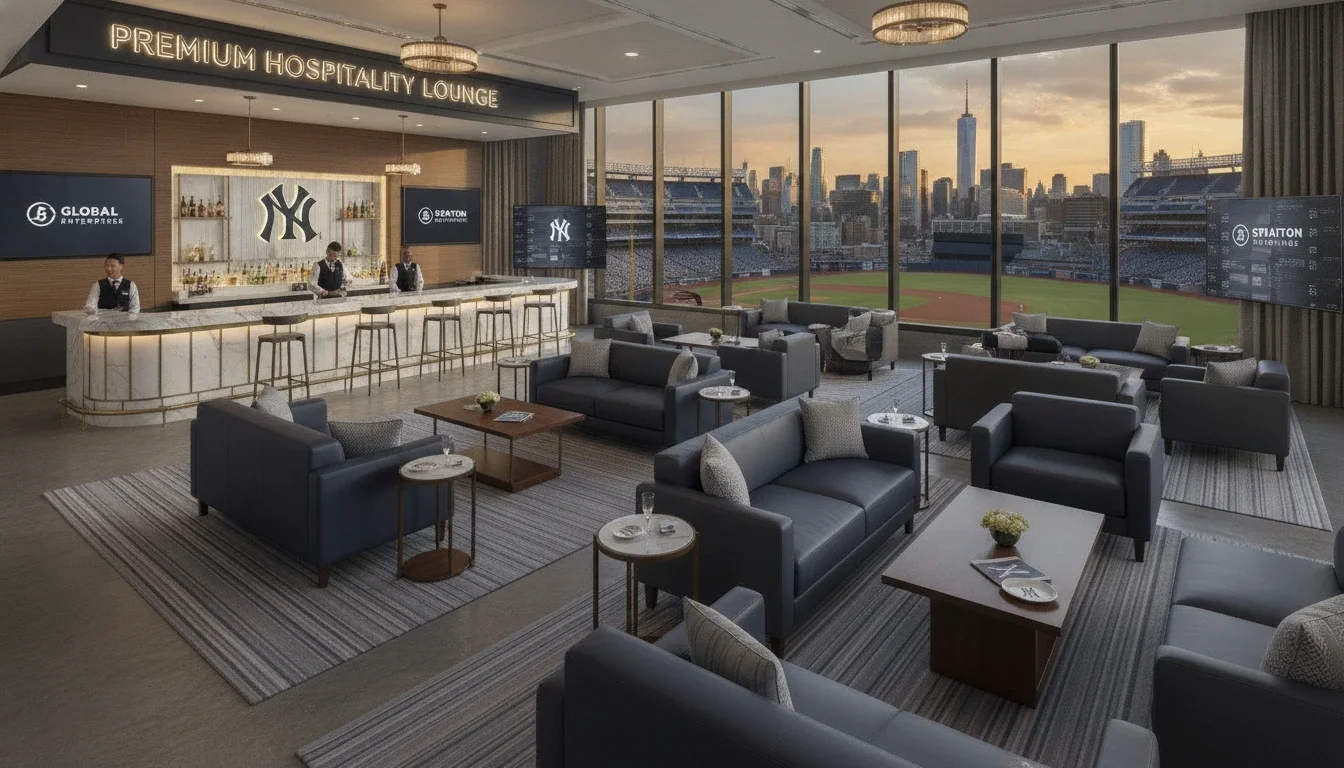
Premium corporate hospitality suite setup at Yankee Stadium with branded elements and city skyline views
What Brands Actually Get Wrong at Yankee Stadium Activations
Under-Staffing High-Traffic Transition Moments
The pre-game surge, the end-of-inning transition between concourse and seats, and the post-game exit are the three most high-traffic moments at any Yankees game. Brands routinely staff for their activation's baseline, then get overwhelmed when 4,000 people cycle through the concourse during a mid-game pitching change. Build your staffing plan for the peak moment, not the average.
Skipping Staff Brand Training
Sending staff to a Yankee Stadium activation without a brand brief is one of the most common and most costly mistakes in experiential marketing. If your ambassadors cannot articulate your brand's campaign message in a clear, 30-second conversation, the activation generates impressions but not brand equity. Training takes a few hours and the ROI is immeasurable.
Ignoring the Neighborhood Footprint
The area around Yankee Stadium — 161st Street, the River Avenue corridor, the adjacent Metro-North and 4/B/D subway station — attracts tens of thousands of fans before and after every game. Brands with the budget and strategic awareness to extend their footprint outside the stadium gates through street teams and exterior activations can multiply their reach dramatically without the permitting complexity of in-venue placements. This is particularly effective for alcohol, beverage, apparel, and CPG brands whose target demographic skews toward walk-up, non-ticketed consumers.
How Eleven8 Staffs Yankee Stadium Events
Eleven8 maintains a pre-vetted, active roster of 24,821 staff across the United States, with a deep bench of NYC-based talent experienced in stadium, arena, and large-venue activations. For Yankee Stadium engagements specifically, Eleven8 brings:
A Pre-Vetted NYC Roster
Every Eleven8 staff member passes a strict 11-step vetting process before placement — including background checks, in-person assessment, and CPR/food handler certification where required. The top 3.5% of applicants make the roster. For Yankee Stadium activations, Eleven8 deploys staff who have demonstrated experience in high-volume stadium and arena environments — not first-time event workers being placed for the first time at a major league venue.
Dedicated Account Management
From the initial staffing inquiry through post-event recap, brands working with Eleven8 have a single dedicated account manager overseeing communication, logistics, and on-site coordination. Separate client-facing and team-facing communication channels ensure your brief reaches staff accurately and your event-day updates come back to you in real time. Offsite operations management is included in every booking at no additional cost.
Built-In Backup Coverage
Eleven8's standard protocol provides one briefed backup for every eight staff at no additional charge. Every backup has reviewed the brand brief, holds the correct credentials, and can deploy without disruption if a primary staff member cannot make it. At Yankee Stadium, this is not optional coverage — it is operational insurance.