The Auto Brand's Complete Guide to Running a Successful Activation at the New York International Auto Show
The New York International Auto Show is not just another industry event. It is the oldest automotive exhibition in North America — running continuously since 1900 — and one of the most scrutinized stages a car brand can occupy. With hundreds of thousands of attendees, a full press preview week, and floor space at the Jacob Javits Convention Center that places your brand side-by-side with every major OEM in the world, NYIAS is a moment that demands more than a well-lit booth. It demands a strategy.
Whether you are launching a new model, repositioning an existing nameplate, activating an EV brand story, or simply defending your presence in the most competitive automotive market in the country, what happens on that show floor will be measured — by the media, by consumers, and by your own leadership team.
This guide is built for the brand marketers, activation managers, and experiential teams who are responsible for making it count. We walk through every phase of a successful NYIAS activation, from pre-show planning and booth design to staffing logistics, lead capture, press day management, and post-show ROI analysis.
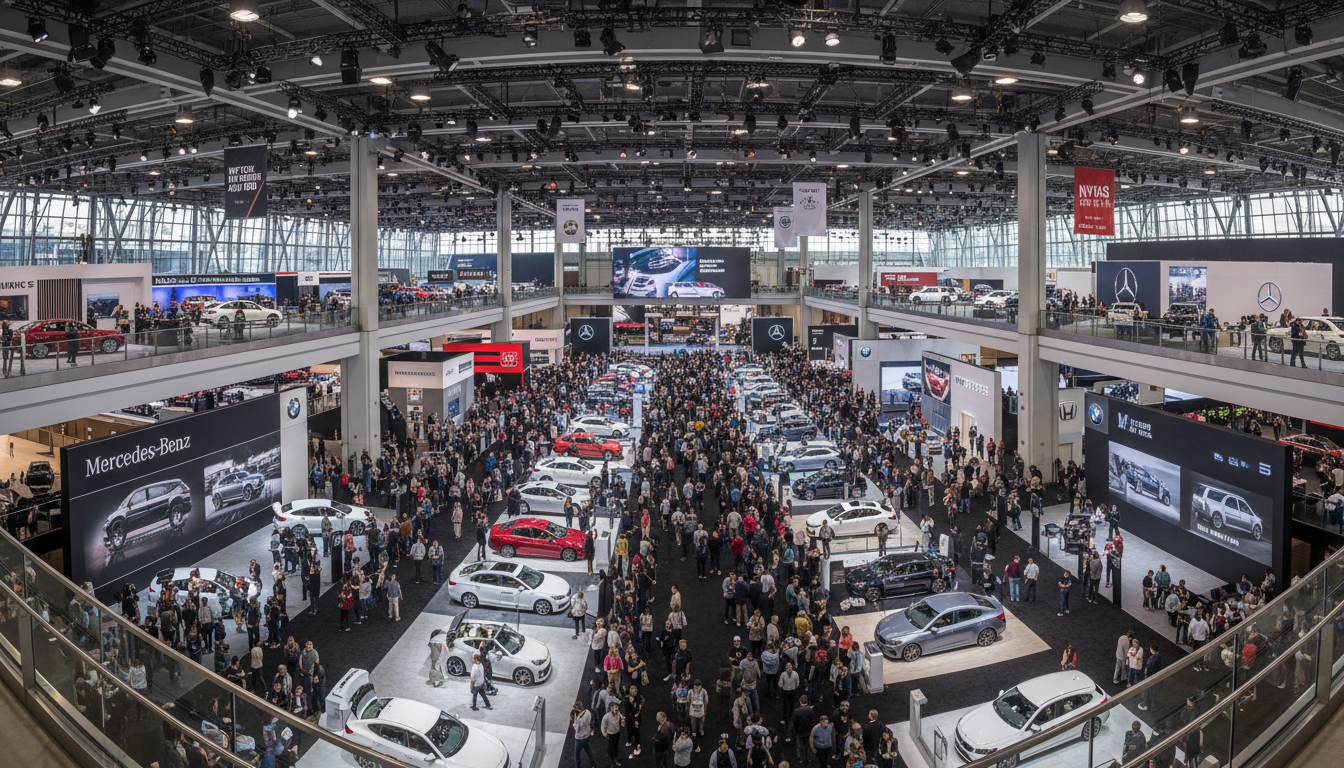
Automotive brands compete for attention across multiple floors of the Jacob Javits Convention Center during the New York International Auto Show
Why the New York International Auto Show Is a Make-or-Break Moment for Auto Brands
The Scale and Prestige of NYIAS
The New York International Auto Show is held annually at the Jacob Javits Convention Center in Manhattan, typically in late March or early April. It has run continuously since 1900 and was the first automotive exhibition in North America. The 2026 edition is scheduled for April 3–12, 2026, New York International Auto Show, with press and industry preview days preceding the public opening.
The show draws roughly 750,000 to one million attendees over its ten-day public run, making it among the most heavily attended consumer auto shows in the world. It also carries outsized media weight: New York is the nation's largest media market and home to the auto industry's most influential editorial voices. What gets revealed at NYIAS gets covered everywhere.
For consumer-facing brands, there is an additional dimension — the New York metro market includes some of the most financially qualified, brand-conscious vehicle buyers in the country, many of them actively researching purchases during or immediately after the show.
In short, NYIAS is simultaneously a press event, a consumer activation, and a competitive showcase. Your strategy needs to serve all three.
Press Days vs. Public Days: Understanding the Dual Audience
One of the most important strategic distinctions at any major auto show is the difference between press preview days and public show days. At NYIAS, before the show opens every year, several auto companies debut new production and concept vehicles for the press. The Greater New York Auto Dealers Association (GNYADA) and the International Motor Press Association (IMPA) host corporate meetings and events, and the World Car Awards typically announces its annual winners as part of these events.
Public days, by contrast, are high-volume consumer days. Traffic is dense, dwell times are shorter, and engagement needs to scale across tens of thousands of visitors daily.
The staffing, messaging, and experience you deploy should be deliberately calibrated for each audience. The product specialist walking a journalist through a vehicle reveal is doing a fundamentally different job than the brand ambassador helping a family of four understand cargo space. Both roles matter — and both require different preparation and expertise.
Phase 1 — Strategic Planning: Setting the Foundation Before You Build Anything
Define Your Activation Objectives
Every successful NYIAS activation starts with a single honest question: What does success look like when the show closes? The answer is rarely "we showed up." Specific, measurable objectives might include:
Launch coverage: Securing a target number of press mentions or broadcast placements during press preview days
Consumer leads: Capturing a specific volume of qualified leads or test drive appointments from the show floor
Brand awareness: Driving measurable lifts in brand consideration among New York DMA consumers
Competitive positioning: Outperforming a specific competitor on social share of voice or dwell time
Product education: Ensuring a target percentage of booth visitors can correctly identify a new model's key differentiators
Each objective maps to a different operational priority — and ultimately to a different staffing and engagement strategy. Brands that skip this step often run expensive activations that produce impressive booth photography and very little else.
Understand the Javits Center Floor and Your Space
The Jacob Javits Convention Center is a large, multi-level venue with distinct zones. Main floor exhibitors — typically the major OEMs — command the highest foot traffic. The NY Auto Show Marketplace is located in the River Pavilion, while Overlander Weekend exhibits occupy Level 1.
Before your design team renders a single concept, your operations team should review the floor plan carefully — ideally, walking the physical space — with attention to:
Natural foot traffic corridors and entry/exit points
Proximity to competing brands and high-traffic anchor experiences
Loading dock access and installation/dismantling windows
Ceiling height and rigging restrictions for hanging elements
Power, internet, and AV infrastructure within your contracted footprint
Brands that design activations in a vacuum consistently produce beautiful concepts that underperform operationally. Venue logistics are not an afterthought.
Budget Planning for a Major Auto Show Activation
NYIAS is a premium venue with premium cost structures. A realistic activation budget will account for exhibit space rental, booth design and fabrication, installation and dismantle labor, drayage and shipping, AV production, staffing across all ten show days and press days, hotels and travel, lead capture technology, press event production if applicable, and a 10–15% contingency reserve.
Staffing is consistently underestimated by first-time NYIAS exhibitors. A well-staffed 10-day activation — covering press days, weekday public days, and peak weekend days — requires more people than most teams initially plan for. Attempting to cut costs by understaffing the floor is a reliable way to waste a much larger investment in your booth build.
Phase 2 — Booth Design and Experience Architecture
Creating a Booth Experience That Earns Attention
The baseline at NYIAS is high. Every major OEM is deploying professional-grade experiences with custom builds, live presentations, and multimedia storytelling. Standing out in that environment requires a clear experience strategy, not just a larger booth or brighter screens.
The most successful NYIAS activations tend to share a few characteristics:
A clear brand narrative. The best booths tell a story — about a launch, a repositioning, a sustainability mission. Attendees who walk through understand what the brand is saying, not just what cars it makes.
Multi-zone design. Large footprints are divided into distinct experience areas — vehicle reveal, product education, interactive tech demo, lifestyle content zone. Each zone has a purpose, a staff role, and a measured engagement goal.
Interactivity at every touchpoint. Activations that ask something of the attendee — try the driver assist, take a seat, scan this code — consistently outperform passive display-only setups on every engagement metric.
Moments designed for sharing. Photo-worthy installations and branded experiences generate earned media value that extends well beyond the show floor.
Lessons From Standout NYIAS Brand Activations
Some of the most instructive examples from recent years illustrate how activation strategy can serve very different brand goals.
Subaru's recent NYIAS activations have been anchored in its National Park Foundation partnership, featuring nature-inspired environments with immersive multimedia reveals. The brand's booth consistently delivers an experience that feels authentic to its identity. Event Marketer
Infiniti's NYIAS activation centered on a multi-sensory discovery journey — attendees moved through interactive stations designed around the QX80's features, scanning a QR code to unlock a guided digital experience incorporating personalized ambient sound and lighting. Event Marketer
Toyota created an entire Sports Festival footprint within its booth, spotlighting inclusive sports partnerships with real interactive experiences — a full basketball court, a sprint track, and adaptive sports activations — keeping families and individual visitors engaged far longer than a traditional vehicle display would. Event Marketer
These activations share a common thread: they were designed around an idea, executed with purpose, and staffed by teams who understood the experience from the inside out.
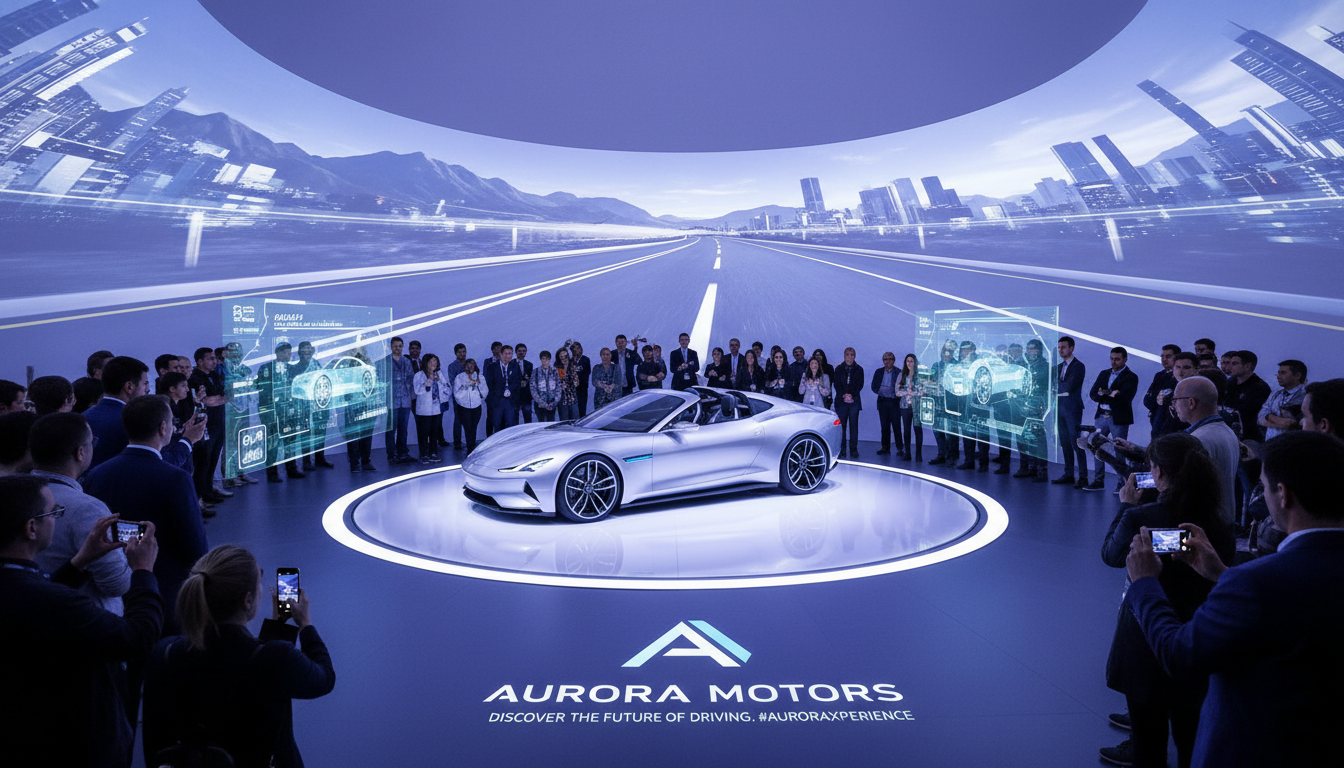
Interactive booth experiences — like vehicle reveals and immersive displays — drive dwell time and social sharing at major auto shows
Designing for Social Sharing and Earned Media
Earned media at NYIAS does not happen by accident. Brands that consistently generate organic social sharing from their activations design shareable moments intentionally — branded photo backdrops, immersive visual environments worth photographing, and in-booth experiences that give attendees a genuine reason to post.
Building a dedicated content zone — a visually distinctive area designed specifically for social photos, short video clips, or branded AR experiences — has become standard practice among high-performing NYIAS exhibitors. Staff stationed in this zone should be trained to facilitate the moment: directing guests toward the best angles, offering to take photos, and encouraging tagging with the brand's event hashtag.
Phase 3 — Staffing Your NYIAS Activation the Right Way
Why Your Staff IS Your Brand on the Show Floor
The booth build gets the eye. The staff creates the experience. For the vast majority of NYIAS attendees, the interaction they have with a product specialist or brand ambassador will be the primary memory they carry out of the Javits Center. A stunning booth with poorly briefed, low-energy staff is a missed opportunity at scale. A more modest booth staffed by a trained, knowledgeable, and genuinely engaging team consistently outperforms on every metric that matters — lead capture, dwell time, brand sentiment, and social sharing.
The human element of an auto show activation is its highest-leverage variable. It is also the one most frequently underinvested.
Key Roles Every Auto Brand Needs at NYIAS
A fully staffed NYIAS activation typically requires a mix of roles, each with distinct responsibilities:
Product Specialists / Spokespersons: Your most technically fluent team members. They conduct full vehicle walkthroughs, handle in-depth questions on specs, technology, trim levels, and competitive positioning, and serve as the primary spokesperson during press preview days. Product specialists should complete thorough product training with your OEM communications or product team before the show opens.
Brand Ambassadors: Brand ambassadors handle the floor-level engagement that scales your activation across ten show days. They welcome guests, direct traffic within the booth, deliver high-level product overviews, and facilitate lead capture. For NYIAS, where public day traffic can be heavy, you need brand ambassadors who maintain energy and stay genuinely on-message across long shifts. Eleven8's brand ambassadors in New York are selected specifically for this kind of sustained, high-volume consumer engagement.
Promotional Models / Booth Presenters: These team members serve as the visual face of the brand — introducing vehicles at scheduled presentation times, facilitating photo activations, and maintaining the energy of high-traffic zones. This role requires both product knowledge and confident presentation ability.
Registration and Lead Capture Staff: Dedicated to managing the logistics of consumer data collection — operating kiosks and tablets, facilitating sign-ups, running contest entries, and directing qualified leads toward the appropriate next step. Brands that invest in dedicated registration staff separate from their floor team consistently capture more qualified leads per visitor.
Greeters: At a show with hundreds of thousands of attendees, the first ten seconds inside your booth set the tone for everything that follows. Dedicated greeters at entry points ensure every visitor is acknowledged, welcomed, and directed intentionally — not left to wander through unengaged.
On-Site Supervisor / Team Captain: For activations of this scale, an experienced on-site supervisor managing schedules, tracking breaks, resolving floor issues in real time, and maintaining communication with your brand team is operational infrastructure, not a luxury.
Navigating NYIAS Badge and Credentialing Requirements for Staff
NYIAS controls badge allocation based on exhibitor type: manufacturer exhibitors receive 75 badges per exhibit space from all sources combined — including lead contacts, external agency contractors, marketing agencies, and product specialists. Non-manufacturer exhibitors receive 15 badges per space. The NYIAS manual makes an important distinction: Special Access Cards are intended for C-level executives and primary exhibit personnel who require unrestricted access, and are explicitly not intended for brand ambassadors, product specialists, or other temporary staff.
Plan your credentialing strategy early. Work with your staffing agency and your NYIAS exhibitor contact to understand your badge allocation before you lock in your team size. Badge issues on day one are entirely avoidable with proper pre-show coordination.
How Far in Advance Should You Book Event Staff for NYIAS?
For a major show like NYIAS — a defined 10-day run with press preview days in the highest-demand staffing market in the country — booking your staffing partner a minimum of 6–8 weeks in advance is the baseline. Many experienced NYIAS exhibitors confirm their staffing agency 12–16 weeks out, especially when seeking specialized roles like automotive product specialists with existing OEM brand experience or multilingual staff for international model launches.
Early booking secures your preferred talent from the agency's active roster, allows adequate time for product training and briefing, and ensures backup coverage is in place before you arrive at the Javits. Eleven8's trade show staff in NYC are drawn from a pre-vetted, continuously deployed roster — not recruited reactively after you book — which is a meaningful operational advantage when planning windows are tight.
Phase 4 — Lead Capture, Data Strategy, and Consumer Engagement
Turning Floor Traffic Into Qualified Pipeline
The auto show floor is not a sales floor — but it is a qualification and pipeline-building floor. The goal of your lead capture strategy is to convert high-volume casual foot traffic into a smaller set of qualified, interested consumers who can be meaningfully followed up with after the show.
Effective lead capture at NYIAS typically involves:
Dedicated kiosks or tablets at multiple booth zones, operated by registration staff trained to facilitate brief, positive sign-up interactions
Incentive mechanics — a giveaway, exclusive content access, or VIP test drive invitation tied to completing a registration
QR-activated digital journeys that begin on the floor and continue post-visit through email nurture sequences
Structured qualification questions built into your capture form — not just name and email, but purchase timeline, current vehicle, and primary interest area
The quality of your data depends directly on the quality of the staff interaction at the point of capture. A brand ambassador who briefly explains the value of registering and personally confirms the visitor's information converts at significantly higher rates than a standalone kiosk without facilitation.
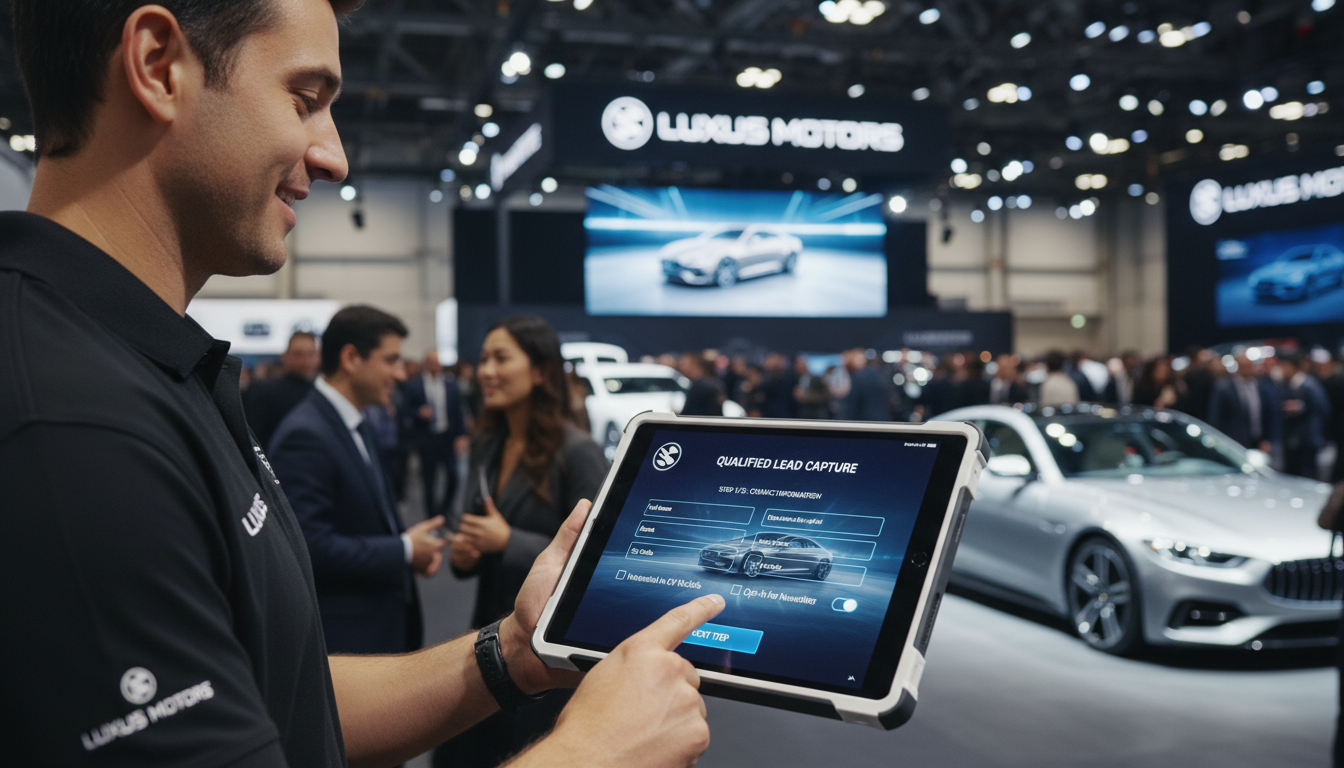
Digital lead capture tools help brands convert auto show floor traffic into qualified consumer pipeline
Digital Tools and Tech Integrations That Work at Auto Shows
Modern NYIAS activations increasingly integrate digital tools that extend engagement beyond the booth:
CRM-connected lead capture platforms that sync show floor data directly into your marketing automation or sales system
SMS and email nurture flows are triggered immediately upon show floor registration
Social listening and hashtag tracking to measure earned media in real time
Analytics dashboards tracking lead volume, dwell time, and engagement by booth zone throughout the show run
Brands that build their data infrastructure before the show opens — rather than attempting to patch systems together on-site — extract far more value from their total NYIAS investment.
Structuring Meaningful Consumer Interactions
Tracking engagements, brand ambassador performance, and communication data is critical to discovering which offers, conversations, and calls to action perform best and drive the most qualified outcomes. The goal should be to track and measure every activation touchpoint throughout the show run. Limelightplatform
The most effective auto show staff are not reciting spec sheets. They are having conversations — asking what you drive now? What brings you to this booth? — and using those answers to tailor every subsequent interaction. Staff briefing sessions should cover not just product facts but the questions staff should be asking, the objections they will encounter, and the path from initial greeting through lead capture to a qualified handoff.
Phase 5 — Press Day Execution: How to Maximize Your Media Moment
Preparing Your Team for Press and Industry Preview Days
Press days at NYIAS are structured differently from public days. The audience is smaller, more sophisticated, and specifically evaluating your brand's story. Journalists, editors, and industry analysts are attending multiple reveals, filing stories in real time, and forming impressions that will shape consumer perception for weeks.
Your press day team should include thoroughly trained product specialists and spokespersons briefed on your key messages, competitive positioning, and likely questions. A dedicated media relations point of contact for press badge verification is also worth designating, along with a clean operational separation between media-facing and general consumer-facing floor areas.
Spokesperson Briefing and Media Handling on the Floor
Any team member who may find themselves speaking on camera or on the record during press days — including brand ambassadors stationed near reveal stages — should receive basic media handling guidance before the show. This covers staying on-message, deferring technical questions to the appropriate product expert, and how to gracefully handle a question they are not equipped to answer. Designating a clear escalation path prevents the risk of an unprepared comment creating an unintended story.
Phase 6 — Post-Show Reporting and ROI Measurement
Metrics That Matter for Auto Show Activations
The brands that improve their NYIAS performance year over year are the ones that measure it seriously. Key post-show metrics worth tracking:
Total leads captured and lead quality by qualification tier
Press coverage volume and sentiment — articles, broadcast placements, and estimated total impressions
Social media performance — hashtag reach, earned posts from attendees, total impressions attributed to the activation
Booth dwell time — trackable through traffic counting technology or structured staff observation logs
Staff performance scores — individual ratings and supervisor feedback from your staffing partner
Conversion to next-step actions — test drive bookings, dealer referrals, and email click-through rates from post-show nurture flows
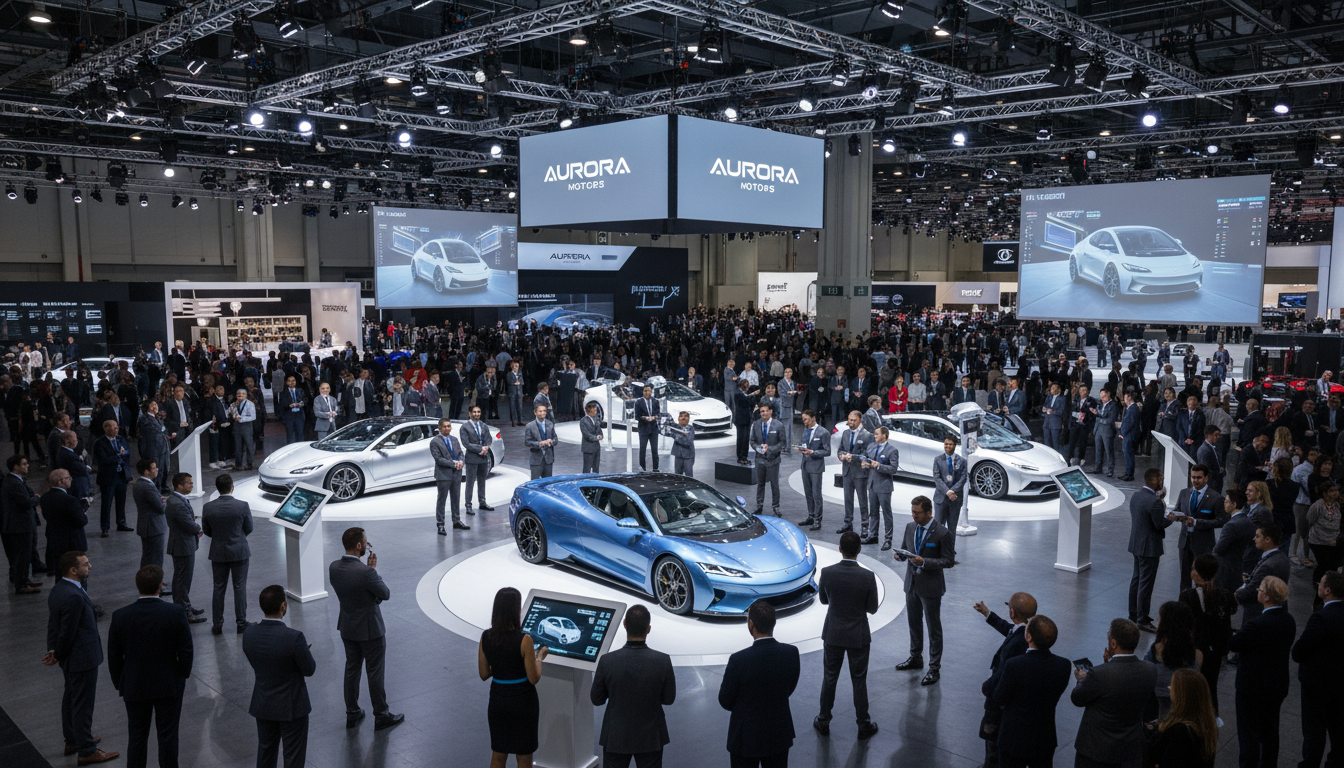
A well-staffed auto show activation requires weeks of planning, precise role selection, and real-time floor management to execute at the highest level
Using Post-Show Data to Improve Future Activations
The NYIAS activation that performs best next year starts with an honest assessment of what happened this year. A structured post-event debrief — involving your internal team, your staffing partner, your exhibit house, and agency partners — should produce concrete answers to three questions:
What worked exactly as planned?
What underperformed, and why?
What will we do differently next year?
Staff performance data from your agency — individual ratings, supervisor observations, post-shift debrief notes — is an underutilized input in this process. Your staffing partner should function as a strategic contributor to post-show analysis, not just a vendor who disappears after the final shift.
Choosing the Right Staffing Partner for Your NYIAS Activation
The staffing partner you choose for a major auto show activation is not a commodity decision. The difference between an agency that deploys whoever is available and one that selects, trains, and manages a purposefully built team is measurable — in lead quality, consumer engagement, press day execution, and the lasting impression your brand leaves at the most-watched auto show in the country.
When evaluating staffing agencies for NYIAS, prioritize:
Automotive event experience — have they staffed major auto shows? Do they have a track record with OEMs or automotive agencies?
New York market depth — do they have an active, pre-vetted roster in NYC, or will they be recruiting after you call?
Vetting rigor — how are staff selected? What does their training and briefing process look like?
Dedicated account management — one point of contact from booking through post-event reporting
Backup coverage — is contingency built contractually into every booking?
Insurance and compliance — are all staff fully covered by workers' compensation and general liability?
Eleven8 Event Staff has a proven track record staffing automotive activations, with automotive listed as a core industry — covering auto shows, dealership events, test-drive programs, and product launches. With a continuously deployed roster of event staff in New York City, dedicated account management on every booking, built-in backup coverage for every eight team members, and a 24/7 live operations team on event day, Eleven8 is operationally built for the demands of a major auto show footprint.
Whether you need brand ambassadors, product demo staff, promotional models, experiential staff, or a fully supervised team spanning multiple activation roles, Eleven8 builds staffing solutions specific to your activation objectives — not generic bookings.
Get a quote for your NYIAS activation →