More Than a Pretty Car: Why Product Knowledge Defines Success at the NY Auto Show
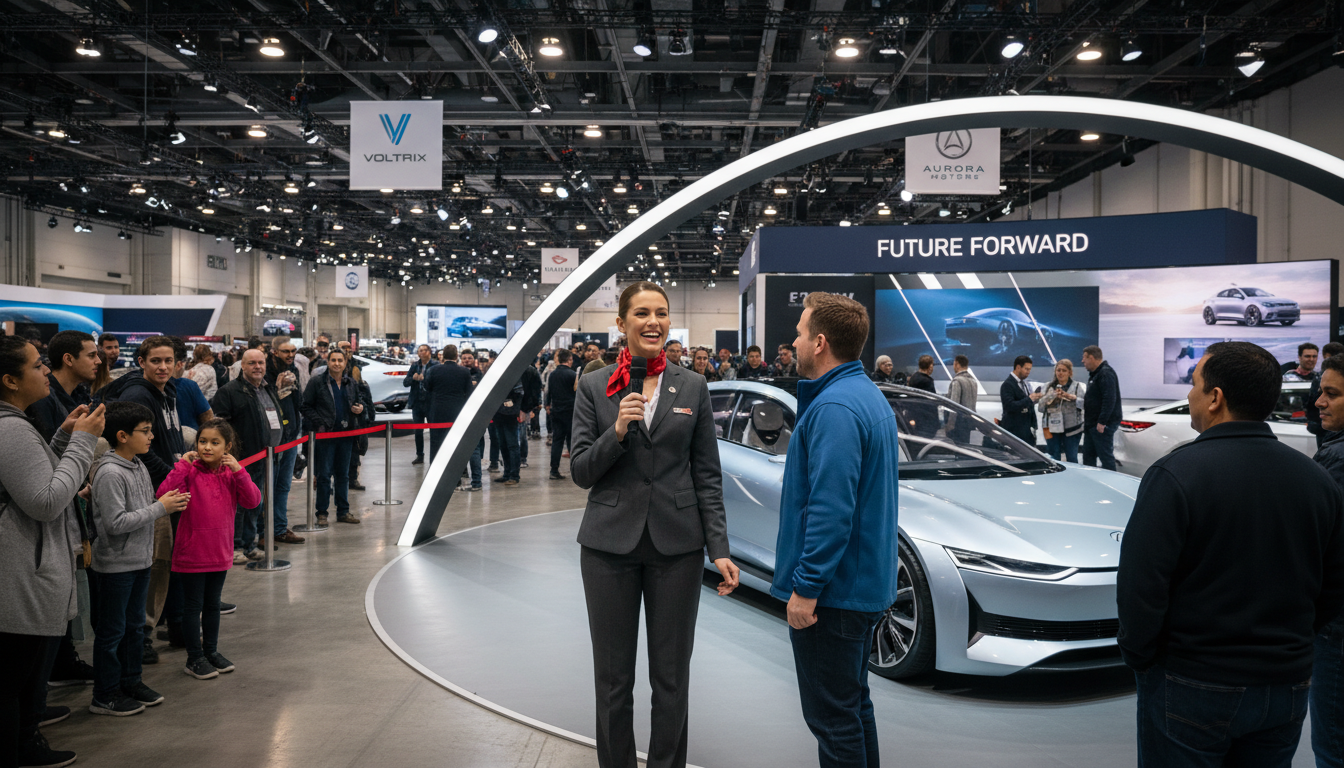
Brand ambassador engaging visitors on the floor of the New York International Auto Show
The New York International Auto Show draws hundreds of thousands of visitors each April to the Jacob K. Javits Convention Center — media, dealers, enthusiasts, and everyday buyers walking the floor looking for something that speaks to them.
Every major automaker brings its best: world premieres, production reveals, concept vehicles, and hands-on interaction zones. The booth designs alone cost hundreds of thousands of dollars. The lighting is theatrical. The cars are immaculate.
And then a visitor walks up, points to the flagship EV on the rotating platform, and asks: "What's the charging time from zero to eighty percent?"
The staff member smiles politely and says, "I'm not sure — let me find someone."
That moment is the difference between a lead and a lost opportunity. And it happens far more often than brands realize.
What's Really at Stake on the Auto Show Floor
Auto shows are not museums. People don't wander the floor to admire cars the way they admire paintings. They're evaluating. Comparing. Getting closer to a purchase decision — or feeding that information back to their fleet, their publication, their dealer network.
That changes everything about what your staff needs to be.
The NY Auto Show Isn't Just a Display — It's a Sales Environment
The New York International Auto Show is one of the largest and most attended consumer auto shows in North America. With attendance historically exceeding 800,000 people across its public run, the NYIAS functions simultaneously as:
A media showcase where journalists form first impressions that become published reviews
A dealer and fleet buyer touchpoint where purchase decisions begin
A competitive intelligence environment where rival brand reps are walking your booth
A brand awareness moment for general consumers who may be 6–18 months out from a purchase
No other marketing channel puts your brand in front of all four of those audiences at the same time, in a single location, with a human being as the primary interface.
That human being is your staff.
Who's Actually Walking Those Aisles
A misconception in experiential marketing is that auto show visitors are mostly casual lookers. The data tells a different story. Automotive industry research consistently shows that a significant portion of auto show attendees are within a year of making a vehicle purchase. Add in the journalists on media day, the fleet managers, the dealer representatives, and the enthusiasts who live and breathe spec sheets — and the floor becomes a high-stakes engagement environment.
The person asking about towing capacity isn't just curious. They're a contractor pricing out a fleet of trucks. The person asking about lease terms is three weeks from signing. The journalist asking about powertrain options is writing a comparison piece that will reach 50,000 readers.
Your staff needs to be ready for all of them.
The Problem With "Pretty" Staff Who Can't Answer Questions
There's a persistent tendency in automotive event marketing to prioritize appearance over expertise when staffing show floors. It's understandable — auto shows are visual environments, and first impressions matter. But confusing aesthetics for competence is one of the most expensive mistakes a brand can make at scale.
What Happens When a Visitor Asks About Range and Gets a Blank Stare
Imagine the scenario: a well-dressed brand ambassador is stationed next to your latest crossover SUV. They look great. The uniform is crisp. They're approachable and friendly.
A visitor asks about the hybrid powertrain's fuel economy in highway versus city driving. The ambassador doesn't know. They offer to find a product specialist, but the specialist is on the other side of a 10,000 square foot booth, helping someone else. The visitor, who had genuine buying intent, loses momentum. They drift toward a competitor's vehicle twenty feet away. A different brand's staff member — fully briefed, energetic, armed with specific numbers — closes the loop.
That's not a hypothetical. It's a pattern.
The Cascade Effect of Uninformed Staff
A single uninformed interaction doesn't just end with that visitor. On media day, it ends up in a review. In a fleet context, it ends a sales conversation before it starts. In the social media era, it ends up documented and shared. The ripple from a poor floor interaction at a major show extends well beyond the booth.
The inverse is also true. A staff member who knows your product deeply — who can compare the new model's cargo capacity to last year's, explain the software update that fixed a known issue, walk through the three available trim levels without looking at a placard — creates exactly the kind of impression that drives purchase consideration.
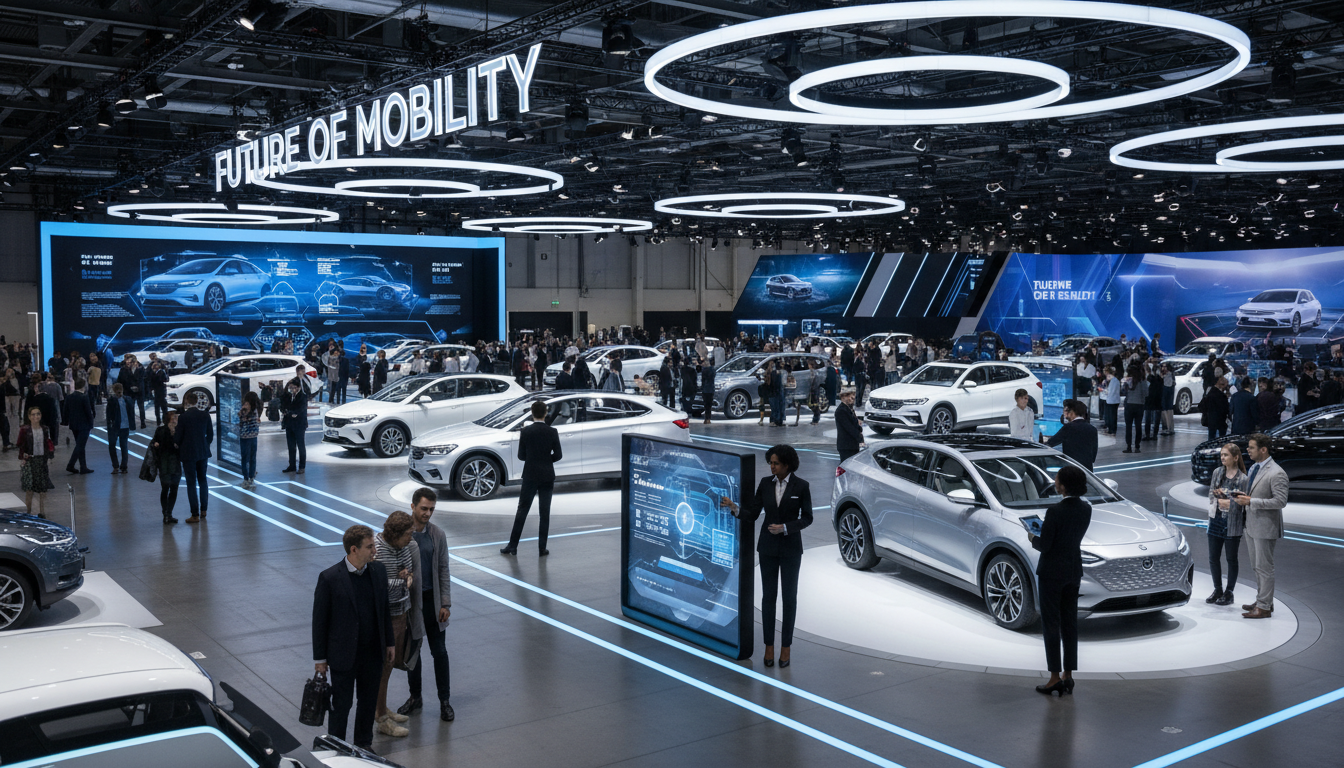
Auto show floor staff need to be as informed as the vehicles they're presenting
What Product Knowledge Actually Looks Like at an Auto Show
Product knowledge at an auto show isn't about memorizing a spec sheet. It's about being able to translate specifications into meaningful answers for wildly different visitors — the enthusiast, the first-time buyer, the skeptical journalist, the fleet manager.
Knowing the Vehicle Isn't Enough
Great auto show staff understand the context around the vehicle, not just the vehicle itself:
The competitive landscape. If a visitor compares your SUV directly to a competitor's, can your staff handle that conversation with confidence and accuracy — without badmouthing the competition?
The model year changes. What's actually new? What did the brand fix, add, or redesign? First-time buyers don't care, but returning owners and enthusiasts absolutely do.
The buyer journey. Where does this vehicle fit in the lineup? Is this the entry point, the halo model, or the fleet workhorse? Staff need to be able to redirect visitors toward the right model, not just the one they're standing closest to.
The Art of the Walkaround
A structured vehicle walkaround is one of the most powerful sales tools in automotive marketing — and one of the least consistently executed on auto show floors. Done well, a walkaround:
Anchors the visitor's attention to the vehicle's strongest selling points
Creates emotional connection through storytelling ("This was designed for families who…")
Invites questions at natural stopping points
Closes on a clear next step (QR code, brochure, dealer locator, test drive registration)
Staff trained in walkaround presentation don't wing it. They have a structure, they know where to stand, and they know how to read the visitor's body language to adjust pacing. This is a trained skill — not something you get from simply knowing the car.
Handling Competitive Questions With Confidence
Visitors at auto shows often do their homework. They've read the reviews, watched the YouTube comparisons, and they want to probe your staff to see if they're getting a marketing pitch or a genuine conversation.
The best auto show staff can acknowledge a competitor's strength, pivot to a genuine differentiator, and keep the visitor in dialogue — without sounding defensive. That kind of confidence comes from deep product familiarity, not a one-page briefing sheet.
How Top Brands Prepare Their Auto Show Staff
The brands that consistently win the floor at major shows like NYIAS don't improvise their staff preparation. They build a repeatable process.
Pre-Event Briefing and Training
Effective auto show briefings go well beyond "here's the lineup." Top brands build a multi-stage prep process that includes:
Product deep-dives conducted by vehicle engineers or product managers
Q&A simulation sessions where staff practice difficult or unexpected visitor questions
Competitive brand walkthroughs so staff understand the landscape
Role-specific briefing — what the floor host handles vs. what the product specialist covers
Logistics briefings — booth layout, escalation protocol, media day protocol vs. public day protocol
Brands that skip these steps are visible on the floor. Their staff performs the role of attractive placeholders rather than brand advocates.
Matching Staff Expertise to Vehicle Lineup Complexity
Not every model in a brand's lineup requires the same depth of presentation. A well-positioned compact car can be staffed with enthusiastic, well-briefed brand ambassadors. A flagship EV launch requires someone who can speak fluently about charging infrastructure, software ecosystems, and battery chemistry.
Staffing decisions should be made at the vehicle level — not at the booth level.
The EV Factor: Why the Shift to Electric Raises the Bar
The accelerating transition to EVs and PHEVs has fundamentally increased the complexity of auto show floor conversations. Visitors have real anxiety — about range, about charging networks, about long-term battery health, about the transition from their current internal combustion vehicle.
A staff member who can't speak fluently to these concerns in a market like New York — where EV adoption and awareness are among the highest in the country — is leaving potential converts walking away unsatisfied.
The EV era demands more product knowledge, not less. Brands that recognize this and invest in it show it on the floor.
The Role of Brand Ambassadors vs. Product Specialists
One of the most common structural mistakes at auto shows is treating all floor staff as interchangeable. The most effective activation layer roles intentionally.
When You Need Both
Brand ambassadors are the face of the booth. They draw people in, manage flow, create first contact, direct visitors, and handle the volume of general engagement that no specialist team can absorb alone. They need to know the brand story, the key models, and when to escalate.
Product specialists go deeper. They are the resource for the serious buyer, the fleet manager, the journalist. They can run a full walkaround, handle technical questions, and engage in 10-minute conversations without losing momentum. In a busy show environment, they're the most valuable and finite resource on the floor.
When these two functions are confused — when brand ambassadors are expected to perform like specialists, or when specialists are used for crowd flow management — both roles underperform. Structuring your staffing intentionally around these two functions is one of the most impactful things a brand can do before doors open.
Briefed Generalists vs. Trained Specialists — Knowing the Difference
A briefed generalist is a well-prepared brand ambassador: they know the lineup, can answer common questions, and have clear escalation paths. A trained specialist has deep, conversational-level product mastery.
The ideal auto show floor has both, in the right ratio for the booth size and visitor volume expected. That ratio decision — and the staffing partner capable of filling both — matters enormously.
For brands staffing activations in New York, working with an agency that understands the distinction between brand ambassadors and product demo staff makes the difference between a booth that runs smoothly and one that leaves gaps.
Why the NY Auto Show Demands a Higher Standard
Not all auto shows are equal. Regional shows carry regional expectations. The New York International Auto Show is in a different category.
Media Day Versus Public Days
NYIAS media days attract automotive journalists from around the world. The coverage generated in those first 48 hours shapes public perception of every vehicle on the floor. Staff who are poorly briefed, evasive, or factually wrong in front of journalists are creating problems that PR teams will spend months managing.
Media day staffing requires a separate, elevated briefing protocol. Press-facing staff need to understand what's embargoed, what can be confirmed, and how to redirect off-brief questions — while keeping the journalist engaged rather than alienated. This is a nuanced, high-stakes role that requires intentional preparation.
The Global Audience and Competitive Intelligence Factor
New York draws an international audience — buyers, distributors, and industry analysts from markets where your brand may be expanding. It also draws competitive intelligence professionals whose job is to learn as much as possible about every brand's strategy.
What your staff says on that floor is heard by people you won't remember meeting. It becomes notes in a competitor's debrief. It shapes purchasing decisions in markets three time zones away.
The standard for NYIAS isn't just "be friendly and know the car." It's performed at the level of your brand's global reputation.
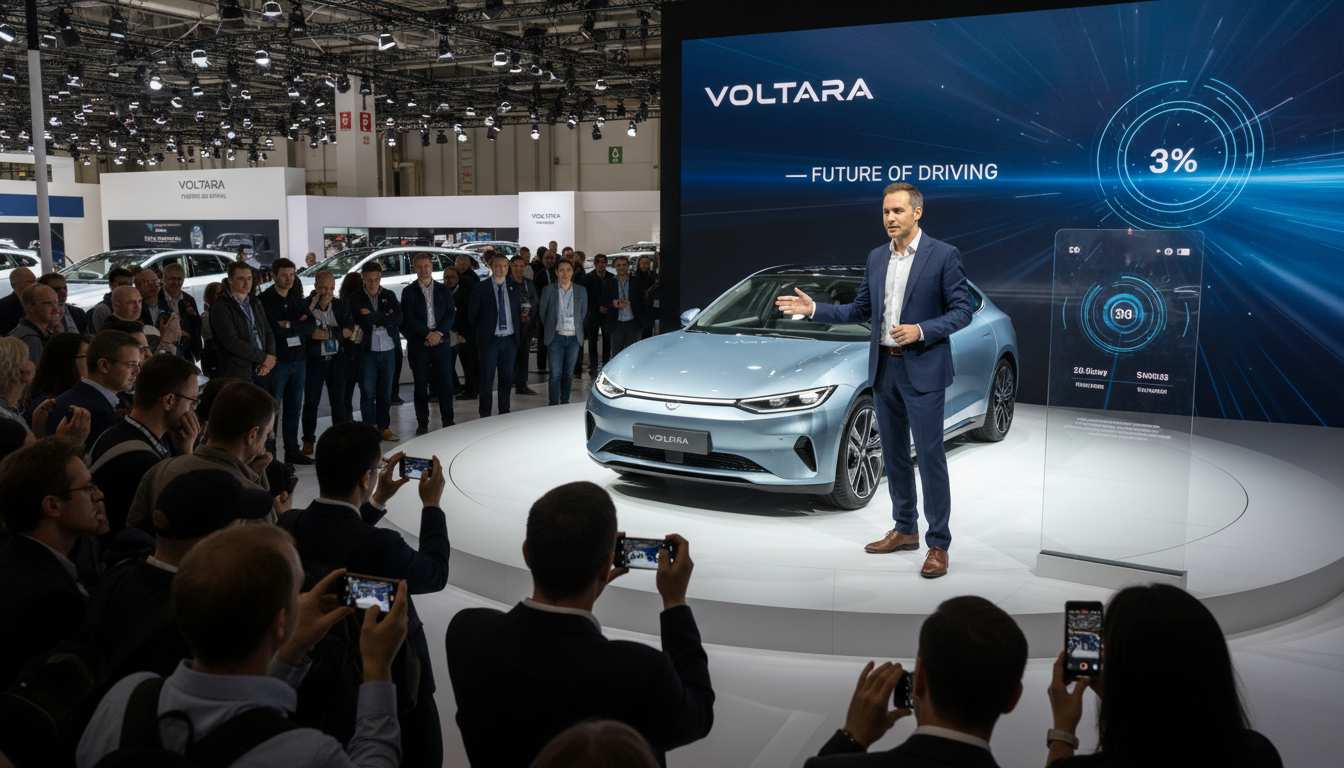
A trained walkaround presenter demonstrates EV features to an engaged auto show audience
Staffing an Auto Show Right: What to Look For in a Partner
If you're responsible for an automotive brand's presence at NYIAS — whether you're at the OEM, an agency, or running an experiential activation — the staffing partner you choose directly affects your outcomes on the floor.
Vetting Beyond Appearance
The right staffing partner doesn't lead with looks. They lead with process.
Look for agencies that:
Vet for communication skills and intellectual agility, not just presentation
Have an established automotive track record — staff who've worked auto show environments understand the pace, the visitor mindset, and the role dynamics
Use structured briefing protocols, not a one-page email, before the show
Provide dedicated account management, so you're not chasing a shared inbox on show day
For automotive activations in New York, Eleven8's trade show staff in New York City are specifically vetted and matched to activation type — not sourced reactively when a booking comes in.
The Briefing Process That Separates Good Agencies from Great Ones
A staffing agency that hands you warm bodies with a cheerful attitude is not the same as a staffing partner that integrates into your pre-show preparation. The best agencies in the experiential space:
Schedule dedicated briefing sessions with the brand or client team before the event
Create event-specific training materials with their staff
Match staff to the specific model or zone they'll be covering
Build in escalation protocols so visitors with deep questions reach the right person without friction
Eleven8 builds this process into every booking — from the initial inquiry through post-event recap — through a single dedicated account manager. This is not the default in the event staffing industry. If you need event staff in New York who arrive briefed, not just booked, the difference is in the process.
Final Thoughts: The Car Draws Them In. Your Staff Keeps Them.
Auto shows remain one of the most powerful experiential marketing formats in the automotive industry — precisely because they put real people next to real products in an emotionally charged, decision-relevant environment.
But the vehicle on the platform is only the starting point. What converts curiosity into consideration, and consideration into action, is the human being standing beside it.
Product knowledge is not a nice-to-have at the New York International Auto Show. It is the differentiator between brands that leave NYIAS with leads, media coverage, and brand lift — and brands that leave with great photos and nothing else.
If your brand is activating at an auto show — in New York or anywhere else — and you need experiential marketing staff who arrive prepared, not just present, Eleven8 Event Staff is ready to build your team.