How to Plan an Event in San Antonio: Venues, Vendors & Pro Staffing Tips
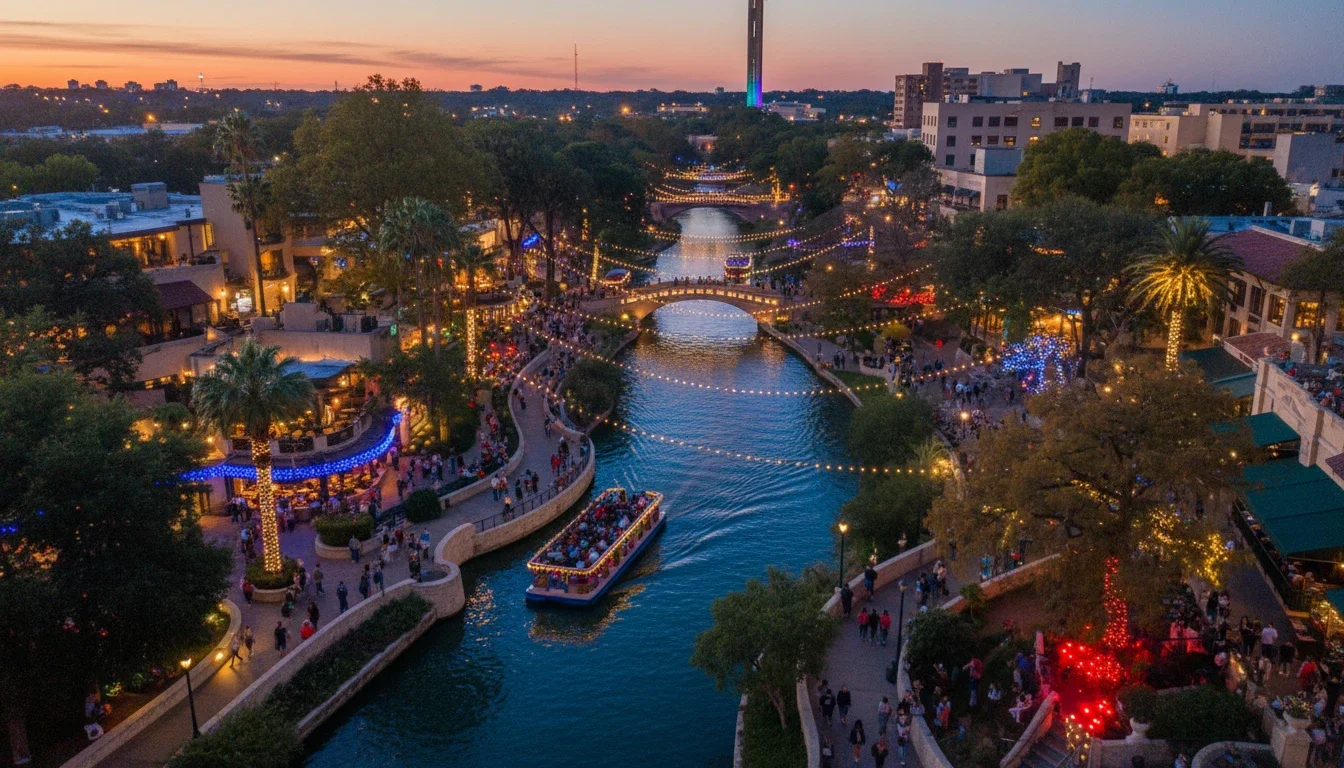
Aerial view of San Antonio's River Walk at dusk with event lights reflecting on the water
San Antonio doesn't just host events — it elevates them. With a skyline that blends Texan heritage with modern ambition, the Alamo City has quietly become one of the most sought-after event destinations in the United States. According to ConferenceDirect's Annual Report, San Antonio recently jumped from 7th to 4th place nationally in room nights booked for meetings and events — a signal of serious, sustained momentum.
Whether you're orchestrating a large-scale trade show at the Henry B. González Convention Center, planning an intimate corporate dinner along the River Walk, or activating a brand experience at a pop-up venue, getting the right combination of venue, vendors, and staff is what determines whether your event is forgettable or truly standout.
This guide was written for corporate event planners, marketing directors, brand managers, and experience producers who want a practical, comprehensive roadmap for planning events in San Antonio — not just a list of venues.
Why San Antonio Is a Premier Event Destination
Not every city can claim the perfect storm of infrastructure, culture, and hospitality that San Antonio offers. The city's compact, walkable downtown, rich cultural identity, and expanding convention infrastructure make it uniquely appealing to event professionals.
A Growing Events Market Worth Knowing
San Antonio's events industry has expanded dramatically in recent years. The Henry B. González Convention Center completed a $325 million expansion and now offers over 740,000 square feet of event space. Major hotel brands have opened or renovated flagship properties along the River Walk, adding tens of thousands of square feet of new meeting space to the market.
The city's cultural calendar — from Fiesta San Antonio (one of the largest festivals in the U.S.) to NBA events at the AT&T Center — means that event infrastructure is deeply embedded in the local economy. Vendors, caterers, AV crews, and staffing agencies here have real experience supporting events at scale, which directly benefits outside planners coming in.
For businesses and brands: San Antonio also sits at the heart of a major Texas triangle (Austin, Houston, Dallas), making it an accessible, centrally located choice for events drawing regional or national audiences.
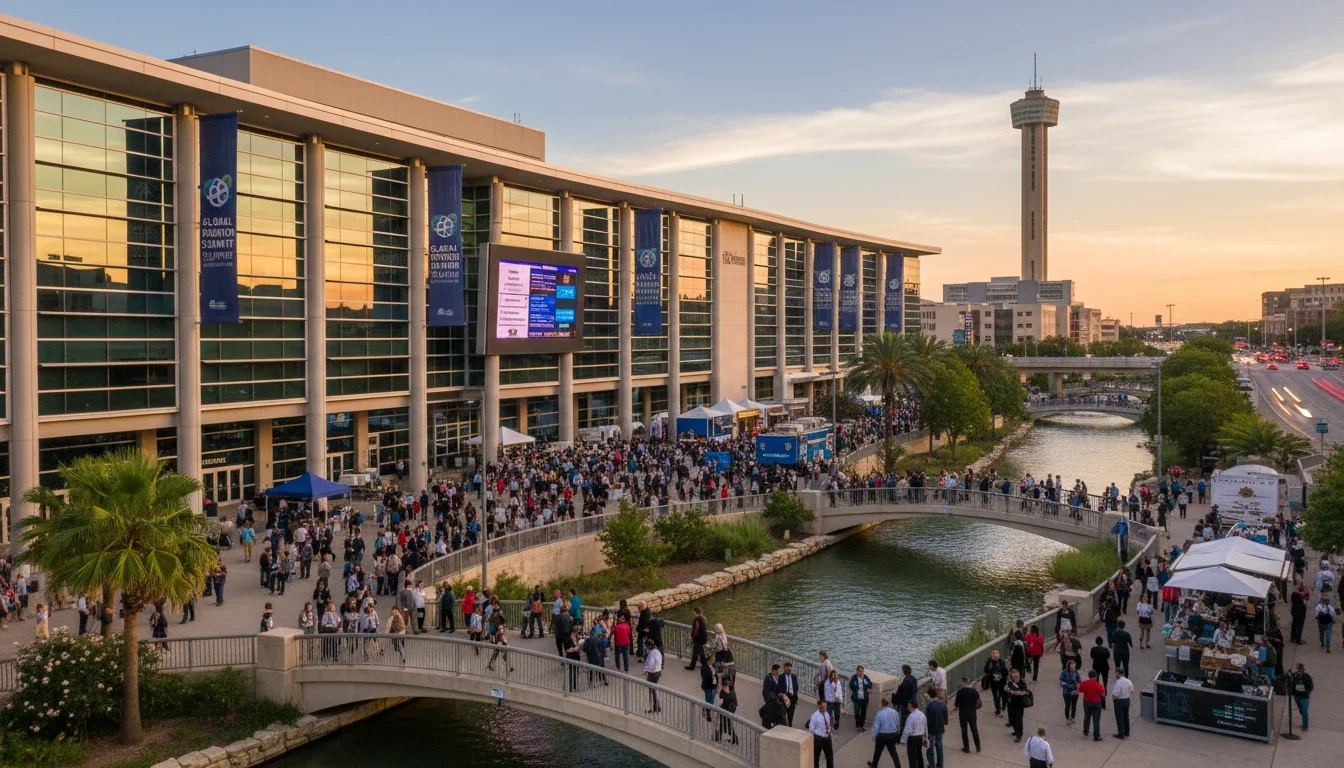
Henry B. González Convention Center exterior during a large conference
Best Event Venues in San Antonio
San Antonio's venue landscape ranges from massive convention infrastructure to intimate historic spaces. Knowing which category fits your event type is the first decision to get right.
Large-Scale Convention & Conference Venues
Henry B. González Convention Center: The anchor of San Antonio's convention infrastructure, this venue offers over 740,000 square feet of event space, 440,000 square feet of contiguous exhibit space, 67 meeting rooms, and three ballrooms totaling 90,000 square feet with capacity exceeding 7,000. For trade shows, national conferences, and expos, this is the premier choice.
The Alamodome: Formerly home to the San Antonio Spurs, the Alamodome now hosts the UT Roadrunners and continues to serve as one of the largest multipurpose event venues in the South. With 64,000+ seat capacity and 160,000 square feet of exhibit and event space across 16 rooms, it's built for large-scale productions, concerts, sports activations, and mega-conventions.
Boutique & Unique Event Spaces
Sunset Station: A beautifully preserved historic railway terminal in the St. Paul Square neighborhood, Sunset Station offers 20,000 square feet across 10 event rooms with both indoor and outdoor spaces. It's especially suited for corporate product launches, holiday parties, and networking galas where character matters.
The Witte Museum: With nearly 25,000 square feet of event space, the Witte Museum provides a stunning backdrop for evening galas, corporate receptions, and brand activations. The Mays Family Center, a 10,000-square-foot indoor/outdoor space, can accommodate up to 2,000 guests.
La Villita Historic Arts Village: This centuries-old village in the heart of downtown offers a completely unique outdoor and indoor event setting. Perfect for culturally immersive brand activations, festivals, and private celebrations.
Hotel Ballrooms & Resort Properties
For events that need accommodation and event space under one roof, San Antonio has exceptional hotel meeting properties. The InterContinental San Antonio Riverwalk (opened 2024) offers 20,000 square feet of event space and the 8,200-square-foot Pecan Ballroom — plus a private river taxi landing for River Walk access. The Embassy Suites by Hilton San Antonio Riverwalk Downtown provides 12,000 square feet of flexible meeting space for up to 900 guests, freshly renovated.
For resort-style events, the JW Marriott San Antonio Hill Country Resort & Spa completed a $50 million renovation and offers expansive outdoor Hill Country settings. Pro tip: Schedule events in the slower summer months (June–September) for better rates and more venue flexibility.
How to Choose the Right San Antonio Venue
Matching Venue to Event Type
The right venue is never one-size-fits-all. Use this framework to match venue type to event goals:
Trade shows & expos: Henry B. González Convention Center or Alamodome for scale; needs strong registration and booth staffing support
Corporate conferences (under 500): Hotel ballrooms (InterContinental, Embassy Suites, Marriott) for seamless A/V and catering
Brand activations & pop-ups: La Villita, Pearl District spaces, or outdoor River Walk zones for cultural relevance and foot traffic
Galas & fundraisers: Sunset Station, The Witte Museum for character and elegance
Product launches: Rooftop venues, InterContinental's Pecan Ballroom, or the AT&T Center premium spaces
Venue Questions to Ask Before You Sign
Before committing to any San Antonio venue, experienced planners recommend asking:
What is the exclusive vendor policy? Many venues require use of in-house catering or preferred vendor lists.
What are load-in/load-out restrictions? Key for production-heavy events.
What staffing is included versus what must you source externally?
Is the venue ADA accessible throughout all event spaces?
What insurance and liability requirements apply to outside vendors and staff?
Are there noise ordinances or curfews, especially for outdoor riverside events?
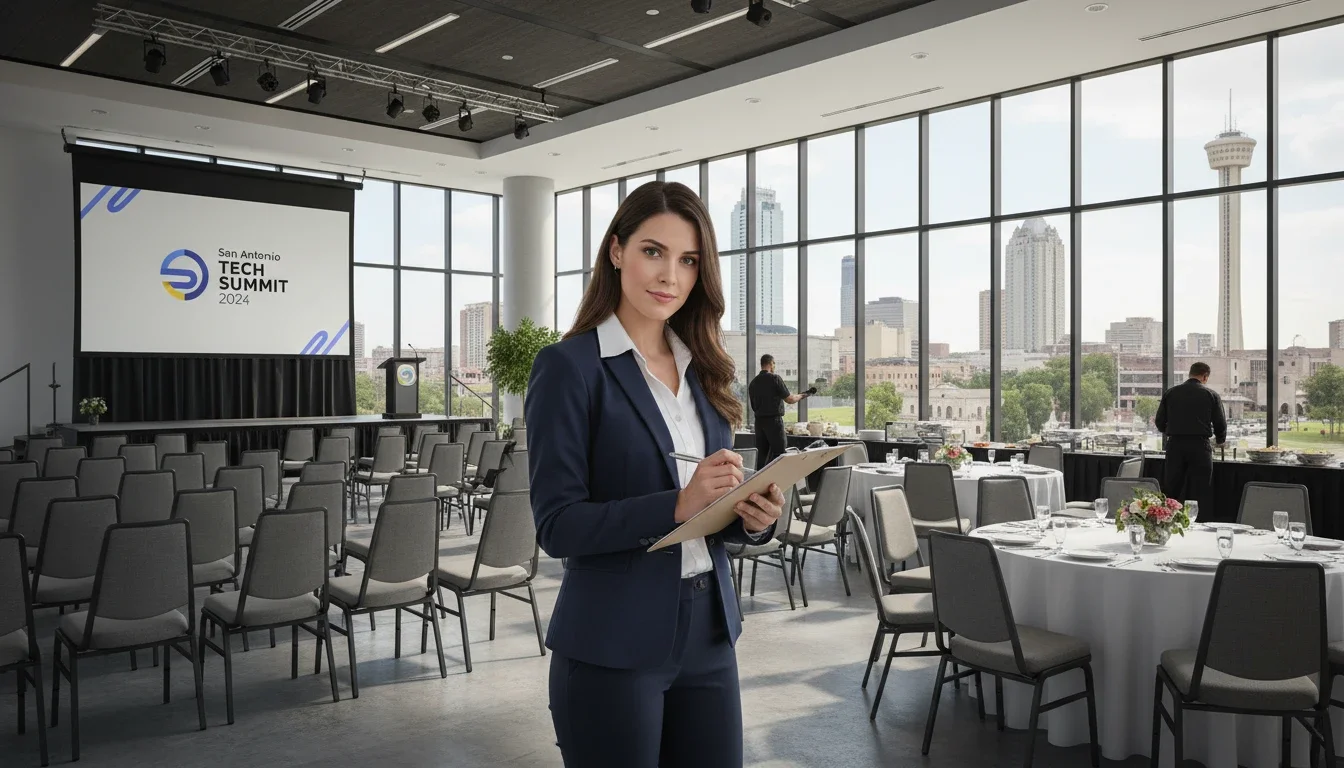
Event planner reviewing venue setup details with a clipboard at a San Antonio conference space
Essential Event Vendors in San Antonio
Selecting vendors in a city you may not know well is one of the most high-stakes decisions in event planning. San Antonio has a mature and competitive vendor market — the key is knowing which categories to prioritize and what to look for.
Catering & Food Service
San Antonio's culinary identity — Tex-Mex, Hill Country BBQ, modern Texan cuisine — is a genuine asset. Leading catering companies like Anne Marie's Catering have served the market for over two decades, offering creative solutions for corporate events, galas, and large-scale banquets. When evaluating caterers, ask for a tasting, confirm staffing ratios (typically 1 server per 10–15 guests for plated service), and verify they have experience at your specific venue.
For events requiring bar service, ensure your caterer either provides or coordinates with TABC-certified bartenders. San Antonio's liquor licensing requirements apply to all public-facing services.
AV, Lighting & Production
Audio-visual production is frequently the category where planners overspend by bundling with venues, or underspend with under-resourced vendors. San Antonio has multiple full-service AV companies experienced in convention-scale production. For events at the Henry B. González Convention Center or Alamodome, verify whether the venue has an in-house AV provider — some require its use, while others allow outside vendors with specific insurance requirements.
For corporate conferences, allocate 10–15% of your event budget to AV and production. For brand activations and experiential events, that figure may rise to 20–25% depending on the interactive elements involved.
Floral & Decor
San Antonio Floral Designs and Elegant Events of San Antonio are among the region's most established floral and décor providers, with over 20 years of combined experience across weddings, corporate events, and galas. For 2025 events, the dominant trends include large-scale floral installations, dramatic lighting walls, and maximalist décor with vivid colors — a shift away from the minimalism of recent years.
Entertainment & Experiences
San Antonio's entertainment options are a genuine differentiator. From mariachi bands and Tejano performers to Fiesta-inspired cultural activations, there are entertainment options that simply don't exist in other markets. Interactive food stations (build-your-own taco bars, BBQ carving stations), live art, and immersive photo experiences are all well-supported by local vendors.
Photography & Videography
With 1,000+ weddings and events under their belt, studios like Dos Kiwis have established long track records in the San Antonio market. For corporate events, confirm that your photographer has experience with conference and trade show formats, which require different lighting approaches and shot prioritization than social events.
Event Staffing in San Antonio: What You Need to Know
Staffing is consistently the most under-planned component of event logistics. You can book the perfect venue, hire elite vendors, and build a flawless run-of-show — and still watch an event fall apart because the guest experience on the floor was chaotic, understaffed, or inconsistent.
Why Staffing Makes or Breaks Your Event
Every guest's experience is filtered through their interactions with your event staff. The greeter who welcomes them at registration, the brand ambassador who guides them through your booth, the bartender who serves them at the networking reception — each touchpoint either reinforces or undermines your brand. This is why event professionals who've worked at scale know that staff quality is non-negotiable.
For San Antonio events in particular — where the hospitality culture is warm and personal — generic, under-briefed staff create a jarring mismatch with guest expectations. The right staffing partner understands this.
Types of Event Staff to Consider
Brand Ambassadors: Represent your brand at activations, demos, and experiential events; drive engagement and message delivery
Registration & Check-In Staff: Manage guest arrivals, badge scanning, and queue control at conferences and trade shows
Bartenders & Bar Staff: TABC-certified bartenders, bar backs, and cocktail servers for receptions and galas
Catering & Waitstaff: Plate service, buffet management, and food station support
Production Assistants: Support AV setup, load-in/load-out, and behind-the-scenes logistics
Trade Show Booth Staff: Staff trained in lead capture, product demonstrations, and crowd engagement
Ushers & Greeters: Manage guest flow, seating, and wayfinding at large venues
Promotional Models: High-visibility brand representation at activations and sponsorship events
Staffing Ratios: How Many Staff Do You Need?
A common question — and one that directly affects your event's guest experience and your budget. Here are general industry guidelines used by professional event staffing agencies:
Trade Show & Conference Staffing
Registration: 1 staff per 50–75 expected arrivals per hour (scale up for peak arrival windows)
Booth staff: 1–2 brand ambassadors per 100 sq ft of active booth space
Ushers/Greeters: 1 per 200–300 attendees for large convention spaces
Corporate & Gala Events
Plated dinner service: 1 server per 10–12 guests
Buffet service: 1 server per 25–35 guests
Bar service: 1 bartender per 50–75 guests (less for high-volume cocktail hours)
Coat check/concierge: 1 staff per 100 guests
Brand Activations
Street activations/sampling: 2–4 brand ambassadors per activation station
Pop-up retail events: 1 staff per 150–200 sq ft of active floor space
Product demos: 1 trained demonstrator per demo station plus support staff for crowd flow
What to Look for in a San Antonio Event Staffing Agency
Not all staffing agencies are built the same. For events in San Antonio — whether a one-day brand activation or a multi-day trade show — these are the criteria that separate reliable partners from risky ones:
Vetting process: Does the agency conduct interviews, background checks, and event-specific training — or simply send whoever is available?
Local market experience: Have they staffed events at San Antonio's major venues (Convention Center, Alamodome, hotel ballrooms)?
Fulfillment guarantee: What happens if a staff member no-shows? Do they have briefed backups on standby?
Insurance coverage: Are staff covered by workers' compensation and general liability? Can they provide a Certificate of Insurance?
Account management: Will you have a dedicated point of contact, or are you managing through a shared inbox?
Transparency: Can you review staff profiles and select your preferred team before event day?
Eleven8 Event Staff operates across Texas, including Dallas and Houston, deploying vetted event staff with a 101.8% fulfillment rate and built-in backup coverage for every 8 staff members booked. For San Antonio events, their teams are deployable from the broader Texas market with the same national account management and training standards.
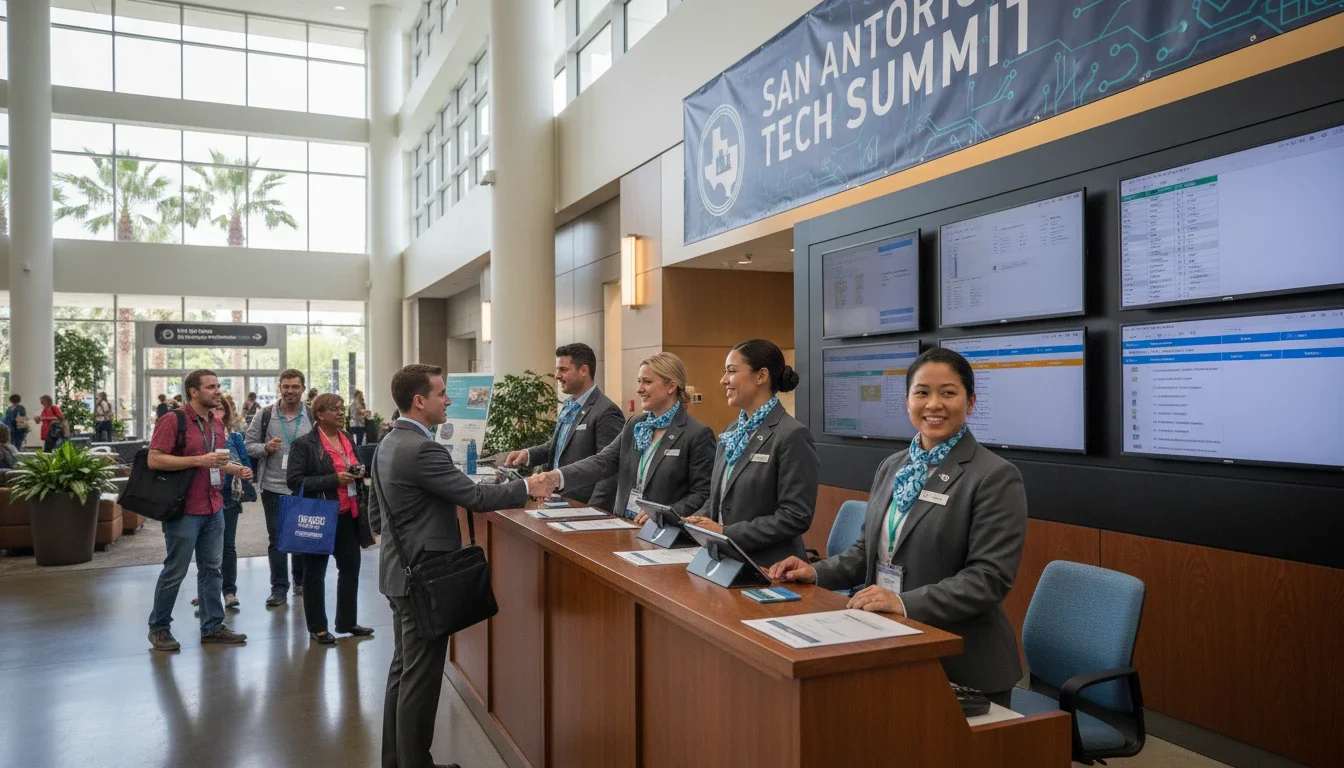
Professional event staff greeting guests at a San Antonio convention center registration desk
Planning Tips for San Antonio's Event Seasons
Understanding San Antonio's seasonal rhythms can save significant budget and headaches.
Peak Season Considerations
San Antonio's prime event season runs from mid-January through May and September through November. Spring and fall offer ideal weather for both indoor and outdoor events, and the city's tourism infrastructure operates at full capacity during these windows. Expect higher venue rates, faster vendor booking timelines, and increased competition for quality staffing during these periods.
The shoulder seasons of June through August and December through early January offer negotiating leverage on venue rates. Summer events at Hill Country resort properties can command significant discounts — particularly for midweek corporate retreats and leadership off-sites.
Fiesta & Major City Events
Fiesta San Antonio, a 10-day celebration every April, is one of the largest festivals in the United States and draws over 3.5 million attendees. Planning corporate or brand events during or adjacent to Fiesta requires months of planning — hotel rooms, vendors, and event staff book out rapidly. However, Fiesta also creates extraordinary brand activation opportunities, particularly for consumer-facing brands seeking large, engaged audiences.
Other major calendar events to consider: the San Antonio Stock Show & Rodeo (February), ValLETTA Season and cultural programming at various museums, and the AT&T Center's NBA season events. Building your event strategy around (or around the edges of) these draws can significantly affect logistics and pricing.
Budgeting for a San Antonio Event
Typical Cost Ranges by Event Type
San Antonio generally offers better value than coastal markets while maintaining professional-grade event infrastructure. Rough benchmarks for planning purposes:
Corporate conference (200–500 attendees): $75,000–$250,000 total, depending on AV, catering, and production scope
Trade show booth activation (mid-size): $15,000–$60,000 including design, staffing, and logistics
Branded evening gala (250 guests): $50,000–$150,000 depending on venue, entertainment, and F&B
Brand activation/pop-up (1–3 days): $10,000–$50,000 depending on staff, permits, and creative
Venue rental: Hotel meeting spaces typically range from $2,000–$15,000/day; the Convention Center's exhibit halls run higher depending on square footage and setup requirements.
Staffing: Professional event staffing agencies typically bill at hourly rates per staff member, with minimums. Flat hourly pricing (versus tiered agency fees) is a marker of a more transparent agency model.
Where Planners Often Overspend
In-house venue catering without comparing outside caterer bids
AV bundling through venues at a premium markup versus sourcing directly
Over-staffing certain roles (waitstaff) while under-staffing high-impact ones (registration, brand ambassadors)
Last-minute vendor bookings due to delayed planning timelines (always cost more)
Not building a contingency line (recommend 10–15% of total budget)
Day-of-Event Logistics Checklist
Even the most meticulously planned event can unravel if day-of logistics aren't locked down. Use this checklist as a final verification framework:
Confirm final headcount with the venue 72 hours out and update catering accordingly
Verify all vendor arrival times, load-in sequences, and parking/dock access
Brief all event staff on the run-of-show, key contacts, and escalation protocols
Test all AV and streaming equipment the morning of the event
Establish a single point of contact (event captain or account manager) for real-time issue resolution
Have backup plans for weather contingencies on outdoor components
Confirm staff uniforms, name badges, and branded materials are on-site
Conduct a venue walkthrough with your staffing lead 1–2 hours before doors open
Assign dedicated staff to monitor social media and capture content if part of the activation
Plan a post-event debrief to capture learnings while details are fresh