NBA All-Star Weekend represents one of the most lucrative opportunities for brand activations in sports marketing. From exclusive VIP experiences to street-level fan engagement zones, brands invest millions to connect with basketball fans during this three-day spectacle. Yet there's one challenge that separates successful activations from disappointments: staffing a high-performing team in a city that changes every single year.
Unlike recurring events held in the same location, NBA All-Star Weekend rotates between cities—from Los Angeles to Cleveland, Indianapolis to Charlotte. Each market brings different talent pools, varying wage expectations, unique local regulations, and distinct logistical challenges. The promotional staff that crushed it in Phoenix might not be available when the event moves to San Francisco.
This guide provides a comprehensive framework for staffing brand activations at NBA All-Star Weekend regardless of host city. You'll learn proven strategies for sourcing talent across different markets, adapting to local conditions, building multi-city staffing networks, and executing flawlessly even when you're operating in unfamiliar territory.
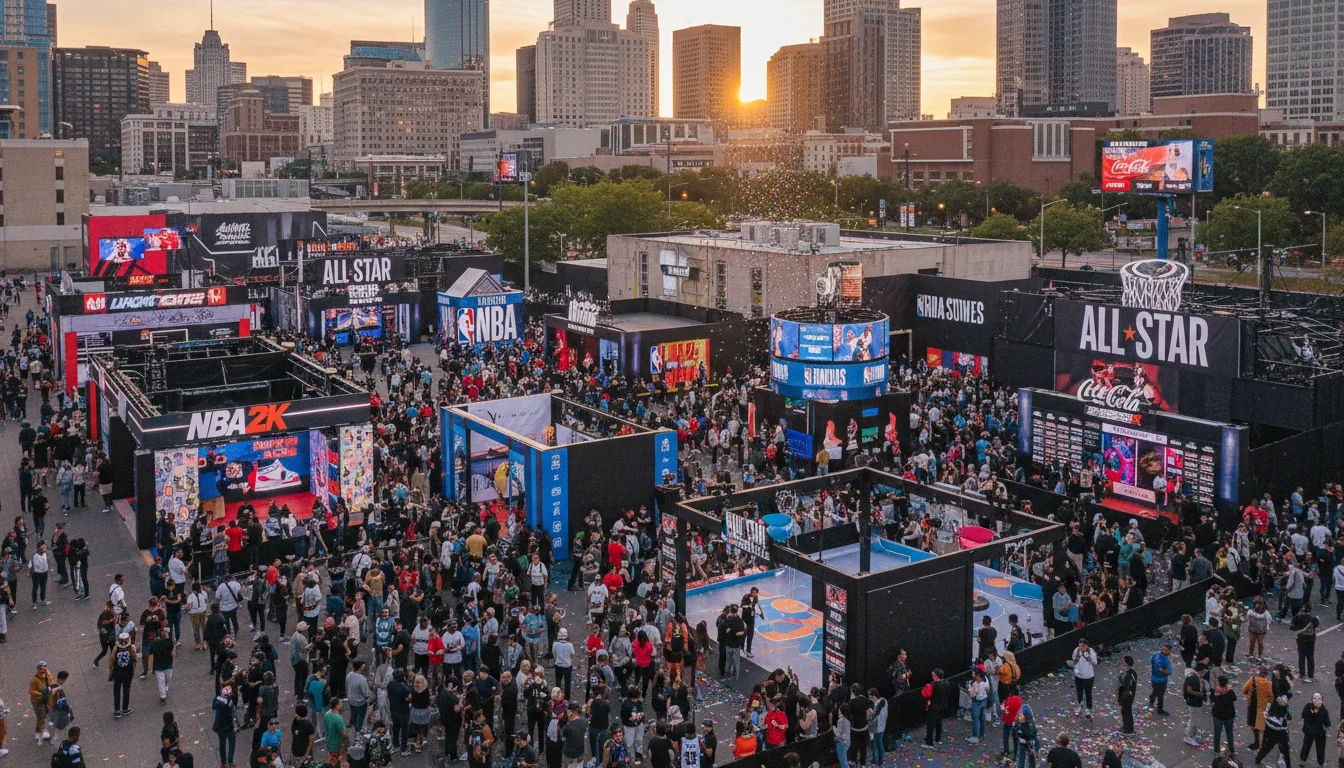
NBA All-Star Weekend attracts hundreds of brand activations across multiple venues in the host city
Why NBA All-Star Weekend Staffing Requires a Different Approach
Most major events follow predictable patterns. The Super Bowl rotates between pre-selected cities years in advance. Trade shows return to the same convention centers annually. Music festivals plant roots in specific locations. NBA All-Star Weekend shares some of these characteristics but adds unique complexity to the staffing equation.
The Rotating Host City Challenge
The NBA announces All-Star host cities anywhere from one to three years in advance, but the rotating nature means you're essentially starting from scratch with each event. Your Los Angeles talent database won't help when the event moves to Indianapolis. The local staffing agency you partnered with in Miami doesn't have reach when Charlotte hosts.
Each market presents distinct talent characteristics. Major metropolitan areas like New York or Los Angeles offer deep pools of experienced promotional talent, while smaller markets may have limited options for staff who've worked high-profile sports activations. Wage expectations vary dramatically—what's competitive in Cleveland might not attract quality candidates in San Francisco.
Local regulations add another layer of complexity. Some cities require specific event staffing permits. Union requirements in certain markets affect hiring practices and costs. Background check standards and timeline requirements differ by jurisdiction. You need to navigate these variables while maintaining consistent activation quality across different host cities.
The Scale and Visibility Factor
NBA All-Star Weekend isn't just another sporting event—it's a cultural phenomenon that draws celebrities, athletes, media, and hardcore basketball fans. Your brand activation staff will interact with high-profile individuals, appear in social media content viewed by millions, and represent your brand during peak visibility moments.
Dozens of major brands compete for fan attention across All-Star Weekend venues. The pressure to stand out means your staff must deliver exceptional energy, professionalism, and brand knowledge. Unlike a trade show where expectations might be more relaxed, All-Star activations demand staff who can perform at the highest level under intense scrutiny.
The multi-day format compounds staffing challenges. All-Star Weekend runs Thursday through Sunday, requiring shift coverage across multiple days, venues, and activation types. Staff fatigue becomes a real concern. Maintaining consistent quality from Friday morning setup through Sunday evening breakdown requires strategic scheduling and potentially deeper staffing rosters than comparable single-day events.
Understanding Your Staffing Needs for NBA All-Star Activations
Before you can source talent, you need a clear picture of your activation's staffing requirements. Underestimating needs leads to overwhelmed staff and poor fan experiences. Overestimating wastes budget and creates inefficiency.
Common Brand Activation Roles
NBA All-Star brand activations typically require several distinct staff categories, each with specific skill requirements:
Brand Ambassadors serve as the face of your activation. They engage fans, explain brand messaging, facilitate experiences, and create memorable interactions. These positions require outgoing personalities, strong communication skills, and the ability to think on their feet. Previous experience with experiential marketing or sports activations is highly valuable.
Event Coordinators and Managers oversee operational execution. They manage staff schedules, troubleshoot problems, interface with venue management, and ensure the activation runs according to plan. These roles require leadership experience, crisis management skills, and deep understanding of event logistics. For NBA All-Star activations, coordinators should have previous experience with high-profile events.
Product Demonstrators showcase your products or services through hands-on experiences. Whether demonstrating new technology, conducting product sampling, or facilitating interactive experiences, these staff members need product expertise, technical competency, and the patience to explain concepts repeatedly throughout long shifts.
Registration and Check-In Staff manage data collection, fan sign-ups, giveaway distribution, or access control for exclusive experiences. These positions require attention to detail, customer service skills, and often technical proficiency with iPads or registration software. During high-traffic periods at All-Star Weekend, efficiency becomes critical.
Social Media Content Creators capture activation moments, interview fans, and generate real-time content for brand channels. These staff members need photography/videography skills, social media fluency, and the creativity to identify shareable moments in dynamic environments.
Setup and Breakdown Crew handle the physical labor of activation installation and teardown. These positions require physical stamina, technical skills for booth construction, and flexibility with timing since setup often occurs during overnight hours before All-Star Weekend officially begins.
Calculating Staffing Requirements
Determining the right number of staff requires analyzing several factors specific to your activation and the expected All-Star Weekend attendance.
Start with attendee volume projections. NBA All-Star Weekend draws varied crowds depending on the host city, but major fan festivals can see 50,000+ attendees across the weekend. Research historical attendance for the specific host city and venue. Consider whether your activation sits in high-traffic areas or requires fans to seek it out.
Activation size and complexity directly impacts staffing needs. A simple product sampling booth might run efficiently with 3-4 brand ambassadors per shift. A multi-zone experience with interactive elements, photo opportunities, product demonstrations, and VIP areas might require 15-20 staff members to operate effectively.
Factor in shift coverage for the multi-day event. Most All-Star activations run Thursday through Sunday, with varying hours each day. Peak traffic typically occurs Friday evening through Sunday afternoon. You'll need to calculate:
Hours of operation per day
Peak vs. off-peak staffing requirements
Shift length (typically 6-8 hours with breaks)
Number of shifts needed across the weekend
Staff rotation to prevent fatigue
Always build in contingency staffing. A 15-20% buffer accounts for last-minute no-shows, illness, or underestimated activation traffic. For a 10-person activation, this means recruiting and preparing 11-12 staff members. The cost of having backup staff ready far outweighs the risk of being understaffed during peak All-Star Weekend moments.
Budget Considerations by Market
Staffing costs vary dramatically based on the host city's market dynamics. Understanding these differences helps you budget accurately and set appropriate wage expectations.
Tier 1 cities (Los Angeles, New York, San Francisco, Miami) command premium rates. Experienced brand ambassadors in these markets typically earn $25-35 per hour, with event coordinators commanding $35-50 per hour. The higher costs reflect elevated cost of living, deeper competition for quality talent, and stronger negotiating leverage for experienced staff.
Tier 2 cities (Charlotte, Indianapolis, Cleveland, Salt Lake City) offer more budget-friendly options. Comparable positions might range from $18-25 per hour for brand ambassadors and $25-35 for coordinators. However, smaller talent pools in these markets may limit your options for experienced sports activation staff.
Overtime regulations affect multi-day events. Some states require overtime pay after 8 hours in a single day, while others calculate it weekly. California's strict overtime rules significantly impact costs for long activation days. Research host city overtime requirements during budget planning.
Travel and lodging costs become significant if you fly in core team members or management. While using local talent for most positions saves these costs, bringing experienced leads from your home market might justify the investment. A round-trip flight, hotel for 3-4 nights, and per diem can add $1,500-2,500 per person.
Agency vs. direct hire presents a cost-benefit calculation. Professional event staffing agencies typically mark up labor costs by 30-50% but handle recruitment, vetting, training, payroll, and replacements. Direct hiring saves money but requires significant time investment and creates risk if staff don't show or underperform.
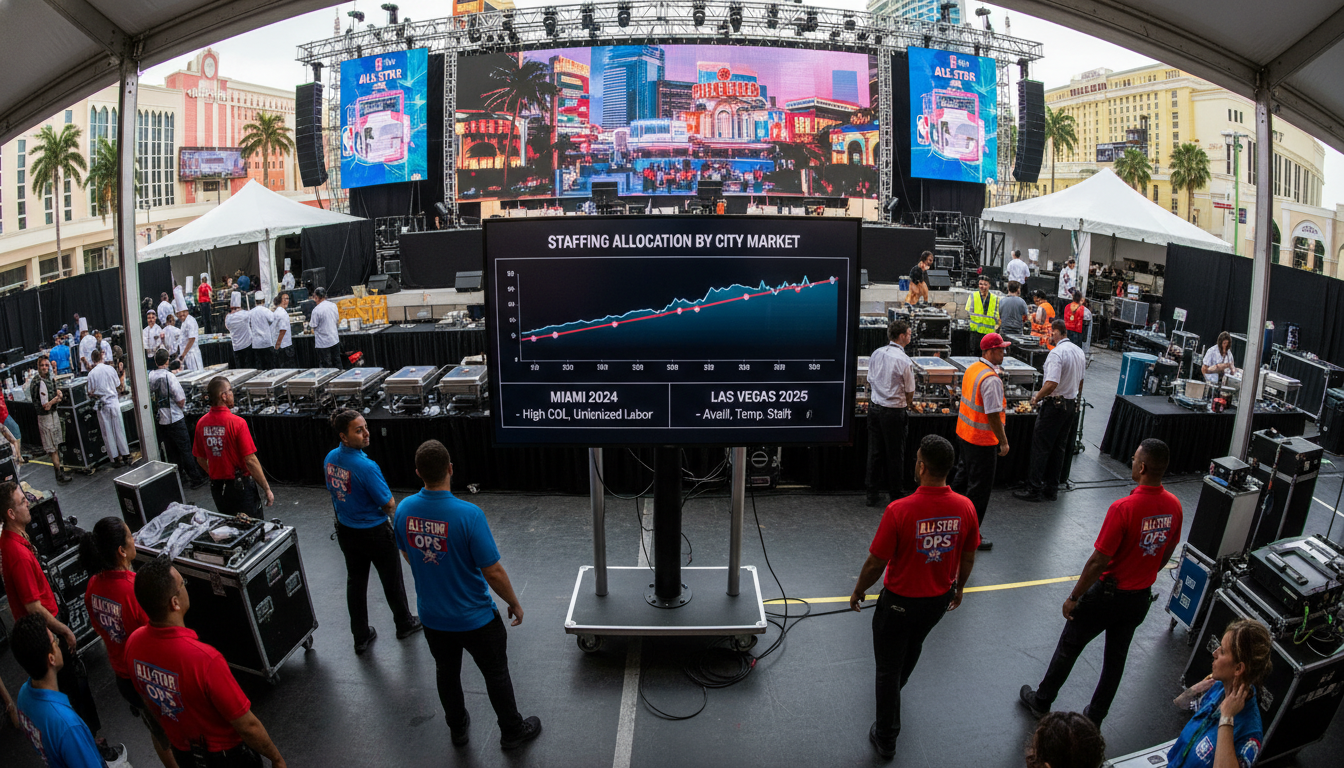
Staffing budgets for NBA All-Star Weekend vary significantly based on host city market dynamics
The 6-Month Staffing Timeline for NBA All-Star Weekend
Successful NBA All-Star Weekend staffing starts the moment the host city is announced. This timeline framework ensures you secure top talent, adapt to local market conditions, and execute flawlessly when the weekend arrives.
6 Months Out: Strategic Planning
The strategic planning phase sets your foundation for staffing success. At this stage, you're gathering intelligence and making critical decisions that shape your entire approach.
Confirm host city and venue details beyond just the city name. Identify specific activation locations—will you be at the convention center fan festival, outside the arena, at a standalone venue, or multiple locations? Different venues within the same city present vastly different staffing considerations.
Research the local staffing landscape thoroughly. Investigate:
Local event staffing agencies with sports activation experience
Previous major events hosted in the city and which agencies staffed them
Colleges and universities that could provide promotional talent
Average wage rates for event staff in that specific market
Local Facebook groups or job boards where event staff congregate
This research phase reveals whether you're entering a mature event staffing market or one with limited infrastructure. Los Angeles offers dozens of established agencies specializing in experiential marketing, while smaller host cities might have only 1-2 viable agency options.
Determine your local vs. traveling staff ratio. Most successful NBA All-Star activations use a hybrid approach: flying in 1-3 core team leaders who know your brand intimately, then staffing 80-90% of positions with local talent. This balances brand consistency with budget efficiency and local market knowledge.
Secure staffing agency partnerships if you're taking that route. Begin conversations with 2-3 local agencies. Request their portfolios, client references from similar events, and preliminary proposals. The best agencies book up months in advance for major events, so early outreach secures their availability and attention.
3-4 Months Out: Recruitment Phase
With strategy established, shift into active talent recruitment. This phase requires the most hands-on effort but determines your activation's success.
Launch local talent searches through multiple channels:
Partner agency outreach to their established networks
Job postings on local event staffing platforms (Eventbrite, Indeed, GigSmart)
Social media recruitment in city-specific groups
College campus recruiting at hospitality and marketing programs
Referrals from staff who've worked previous All-Star Weekends in other cities
Cast a wide net initially. You'll narrow down as candidates emerge, but starting with a large pool ensures quality options.
Conduct virtual interviews efficiently. For out-of-city staffing, video interviews are essential. Structure 15-20 minute screening calls that assess:
Previous experience with major events or sports activations
Communication skills and energy level (critical for brand ambassadors)
Availability for all All-Star Weekend dates including setup
Professional appearance and demeanor
Problem-solving abilities through scenario questions
Record interviews (with permission) so you can review candidates when making final selections. For coordinator positions, conduct second-round interviews with more detailed scenario planning.
Verify credentials and experience. Don't take resume claims at face value:
Contact references from previous event positions
Review social media presence for professionalism
Confirm availability and commitment level
Run required background checks (many brands require this for staff)
Create backup candidate pools for each position. Identify 15-20% more qualified candidates than you need. Communicate that they're on a backup list with potential to be activated. This creates urgency while protecting against inevitable dropouts.
6-8 Weeks Out: Finalization
As All-Star Weekend approaches, transition from recruitment to activation preparation.
Confirm all staff commitments with detailed expectation-setting. Send formal offer letters or agreements that specify:
Dates and exact times of shifts
Compensation rates and payment terms
Dress code and appearance standards
Attendance at training sessions
Consequences for no-shows or unprofessional conduct
Request written confirmation from each staff member. Follow up personally with anyone who doesn't respond within 48 hours.
Complete training materials that allow for remote learning. Create video content covering:
Brand history, mission, and key messages
Product or service details they'll be explaining
Activation layout and station responsibilities
Customer service scenarios and talking points
Professional conduct expectations
Remote training materials allow out-of-city staff to prepare before traveling and create consistency regardless of when in-person training occurs.
Handle travel and lodging logistics for any staff flying in. Book flights and hotels early for better rates. Communicate arrival/departure schedules. Arrange airport transportation. Distribute per diem allowances. These details prevent last-minute scrambling and ensure traveling staff arrive ready to work.
Finalize schedules and assignments. Create detailed shift schedules that account for:
Peak traffic times requiring maximum coverage
Staff rotation to prevent fatigue
Break schedules compliant with local labor laws
Clear assignment of specific roles and stations
Manager coverage at all times
Distribute schedules to all staff with clear instructions for confirming receipt.
2 Weeks Out: Final Preparations
The final two weeks before NBA All-Star Weekend focus on training, logistics refinement, and backup planning.
Conduct virtual or in-person training depending on geography. For local teams, schedule in-person training sessions 1-2 weeks before the event. Cover all material from training videos but allow for interactive role-playing, Q&A, and team building. If in-person isn't feasible, run comprehensive video training calls.
Effective training sessions include:
Brand immersion and messaging practice
Product hands-on experience when possible
Scenario role-playing for common interactions
Technology training for any tablets, apps, or systems
Dress code review and appearance standards
Emergency protocols and escalation procedures
Record training sessions for staff who couldn't attend live.
Distribute uniforms and materials with enough time for staff to identify fit issues. Ship to local addresses or arrange pickup locations. Include clear instructions about what to wear with branded items. Collect signed receipts for any materials distributed.
Confirm local logistics one final time:
Parking information and staff entry points
Load-in times for setup crew
Venue contact information and security protocols
Wi-Fi networks and access codes
Nearby amenities for breaks (restrooms, food options)
Weather forecast and contingency plans
Create a comprehensive "Day-Of Guide" document with all logistics, schedules, and contact information.
Run backup recruitment just in case. Keep 1-2 warm backup candidates on standby who could be activated with 48 hours notice. The cost of having backup plans vastly outweighs the disaster of understaffing during NBA All-Star Weekend.
Sourcing Talent Across Different NBA All-Star Host Cities
The rotating nature of NBA All-Star Weekend means you're constantly adapting to new talent markets. Success requires understanding what makes each market unique and building sourcing strategies that work anywhere.
Evaluating the Local Talent Pool
Every NBA All-Star host city presents distinct talent characteristics. Successful staffing starts with understanding these nuances.
Major metropolitan markets (Los Angeles, New York, Miami, Chicago) offer deep talent pools with extensive experiential marketing experience. These cities host constant brand activations, fashion events, entertainment productions, and sports marketing campaigns. You'll find brand ambassadors who've worked dozens of high-profile events and understand luxury brand expectations.
The advantage: abundant qualified candidates with impressive experience. The challenge: higher wage expectations and competition from multiple All-Star Weekend activations happening simultaneously. In Los Angeles, for example, your activation competes with 50+ other brands seeking top talent for the same weekend.
Mid-sized markets (Charlotte, Indianapolis, Cleveland, Salt Lake City, Phoenix) present different dynamics. These cities host periodic major events but don't have year-round experiential marketing scenes. The talent pool includes enthusiastic candidates who may lack extensive high-profile event experience.
The advantage: less competition means easier recruiting and more reasonable wage expectations. The challenge: you'll invest more in training and may need to adjust expectations slightly for staff who haven't worked events of All-Star Weekend's magnitude.
University partnerships become particularly valuable in markets with major colleges. Cities like Indianapolis (IUPUI, Butler), Charlotte (UNC Charlotte, Queens), and Cleveland (Cleveland State, Case Western) offer access to motivated students in hospitality, marketing, and communications programs. College students bring energy, tech-savviness, and social media fluency—valuable assets for brand activations.
Contact university career centers, student employment offices, and relevant academic departments 3-4 months before All-Star Weekend. Offer attractive hourly rates, professional development opportunities, and resume-building experience to attract top student talent.
Previous major event history in a host city provides valuable insights. Research what major events the city has hosted recently:
Did Indianapolis host the Super Bowl, Final Four, or other marquee events?
Has Charlotte hosted political conventions, major concerts, or sports championships?
What agencies staffed those events successfully?
Cities with strong major event track records develop reliable staffing infrastructure. Tap into the agencies and individual staff who performed well at previous events.
Local vs. Traveling Staff: Making the Decision
One of the most critical strategic decisions is determining which positions should be filled locally versus bringing traveling staff.
When to use local talent:
Local staff makes sense for the majority of positions, particularly:
Entry-level brand ambassadors and promotional staff
Product sampling and giveaway distribution roles
Registration and data collection positions
Setup and breakdown crew
General fan engagement positions
Benefits of local hiring:
Eliminates travel and lodging costs (saving $1,500+ per person)
Local staff know the city, venues, and can provide insider insights
Easier to recruit larger teams when not limited by travel budget
Supports the host city's economy and builds goodwill
Reduces logistical complexity with fewer travel arrangements
Limitations of all-local teams:
May lack familiarity with your specific brand voice and standards
Limited availability for pre-event preparation in your home market
Varying quality if the local market has limited event staffing experience
Less accountability—harder to vet strangers in a distant city
When to fly in core team members:
Bringing traveling staff makes strategic sense for:
Event coordinators and managers who oversee the entire activation
Specialized product demonstrators requiring deep technical knowledge
1-2 lead brand ambassadors who exemplify your brand standards
Photography/videography staff if brand visual consistency is critical
Benefits of traveling staff:
Complete confidence in their skills, brand knowledge, and reliability
Ability to train them weeks in advance in your home market
Strong working relationships and team chemistry
Clear accountability to your organization
They can extend their stay for pre-event setup and post-event breakdown
Hybrid staffing model advantages:
The most effective approach combines both: fly in 2-4 core leaders and hire 10-20 local staff members. This hybrid model:
Ensures brand consistency through experienced leaders
Keeps costs reasonable by limiting travel expenses
Provides on-ground supervision and quality control
Creates a training cascade where traveling staff train local hires
Offers flexibility to adjust the ratio based on budget and market
Cost-benefit analysis framework:
Calculate the true cost difference:
Local brand ambassador: $25/hour × 24 hours = $600
Traveling brand ambassador: $25/hour × 24 hours = $600, plus $400 flight, $600 hotel (3 nights), $200 per diem = $1,800
The traveling staff costs 3× more. You need to justify that premium with either specialized skills, leadership responsibilities, or brand-critical roles.
Working with Local Staffing Agencies
Partnering with established local event staffing agencies accelerates recruitment and reduces risk, but requires careful vetting and relationship management.
Vetting local agency partners:
Not all staffing agencies are created equal. Evaluate potential partners on:
Experience with major sporting events – Request case studies from previous NBA All-Star Weekends (if they've staffed them), Super Bowls, NCAA tournaments, or comparable events. Generic event staffing agencies may not understand the unique demands of high-profile sports activations.
Client roster and references – Ask for 3-5 references from brands they've staffed for similar events. Contact these references to ask about quality, reliability, and problem-solving when issues arose.
Talent database depth – Inquire about how many qualified staff they can mobilize for your dates. Agencies should have established networks, not scramble to recruit when you book them.
Quality control processes – Understand their vetting procedures, background check policies, training capabilities, and how they handle no-shows or underperforming staff.
Responsiveness and communication – Gauge how quickly they respond to inquiries, how thoroughly they understand your needs, and whether they ask intelligent questions about your activation.
Communication and expectation setting:
Clear communication prevents misunderstandings that could derail your activation:
Provide detailed position descriptions covering exact responsibilities, required skills, appearance standards, and experience preferences. Vague requests produce mediocre results.
Communicate your brand standards explicitly. Share brand guidelines, messaging documents, photos of ideal staff appearance, and examples of similar successful activations. Don't assume agencies automatically understand your expectations.
Establish communication protocols for the weeks leading up to All-Star Weekend. Who is your point of contact? How quickly will they respond to questions? What happens if you need to adjust staffing numbers?
Clarify financial terms completely. Understand exactly what's included in pricing—does it cover training time, background checks, replacements for no-shows? Are there minimums or cancellation penalties?
Quality control measures:
Protect your activation with contract terms that ensure quality:
Request final approval over staff selections through interviews or resume review
Include penalty clauses for no-shows or staff who don't meet standards
Guarantee replacement staff availability within specific timeframes
Establish clear grounds for removing staff who underperform
Require agency supervisors on-site during your activation
Backup plan requirements:
Even the best agencies occasionally face challenges. Require:
Backup candidates identified for every position (15-20% over your needs)
Guaranteed response time if you need emergency replacements
On-call agency representative during your activation
Clear escalation procedures if problems arise
Working with a professional event staffing agency like Elev8 Brand Ambassadors can significantly reduce the stress of multi-market staffing. Agencies with national networks and NBA All-Star Weekend experience bring established talent pools, proven vetting processes, and operational expertise that transform staffing from a liability into a competitive advantage.
Building a Multi-Market Talent Network
The most sophisticated approach to NBA All-Star Weekend staffing involves building a proprietary national talent network that grows with each event.
Creating a national talent database:
Develop a systematic database that captures:
Contact information for every strong performer from previous All-Star activations
Notes on their strengths, roles they excel at, and reliability
Location/willingness to travel for future events
Performance ratings from managers
Availability for next year's event
Even staff hired locally for one All-Star Weekend can be valuable if the event returns to that city in future years or if they're willing to travel.
Maintaining relationships year-round:
Don't let connections go cold between All-Star Weekends:
Add top performers to a newsletter or email list with periodic updates
Connect on LinkedIn to track their career progression
Reach out when other events occur in their cities
Provide references or recommendations when appropriate
Send holiday greetings or thank-you notes on your brand's anniversary
These touches keep you top-of-mind so staff respond enthusiastically when you reach out for next year's event.
Leveraging previous NBA All-Star staff:
Staff who've worked NBA All-Star Weekend understand the unique demands:
They know the pace, crowds, and pressure of the environment
They've proven they can handle celebrity interactions professionally
They understand sports fan culture and dynamics
They require less training since they know what to expect
Prioritize recruiting from this pool first. A brand ambassador who crushed it at All-Star Weekend in Miami becomes your first call if they live in or are willing to travel to the next host city.
Social media and professional network recruiting:
Build communities where event staff naturally congregate:
Create a private Facebook group for your brand's event staff network
Use LinkedIn to connect with coordinators and managers professionally
Follow and engage with event staffing content on Instagram
Post behind-the-scenes All-Star Weekend content that attracts quality candidates
Quality talent follows quality brands. Showcasing your activations, treating staff well, and building a reputation as a great employer attracts applications organically.
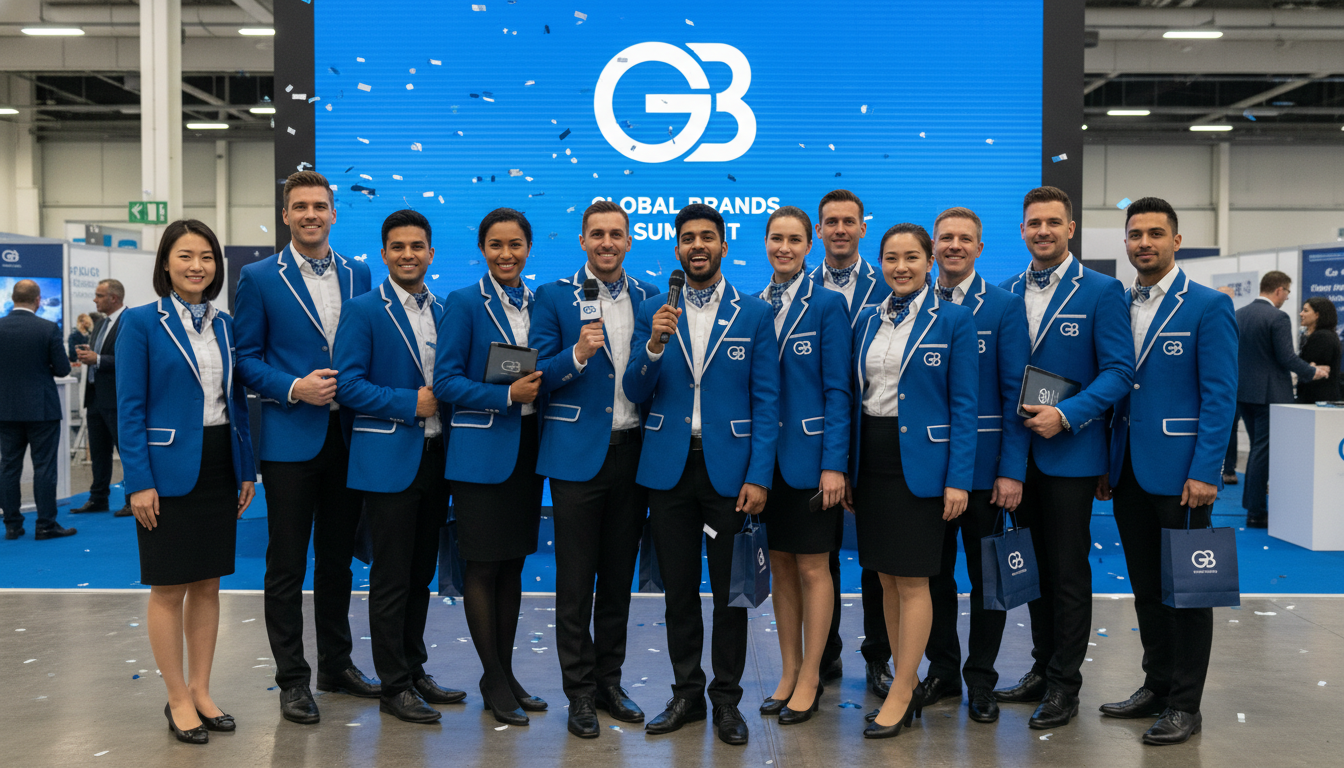
Diverse group of professional brand ambassadors in matching branded apparel at an event
Vetting and Selecting Staff for High-Profile Activations
NBA All-Star Weekend's visibility demands higher vetting standards than typical events. One unprofessional staff member can damage your brand in front of thousands of fans and social media audiences.
Essential Screening Criteria
Implement a structured vetting process that evaluates both hard qualifications and intangible qualities:
Previous experience with major events serves as the strongest predictor of success. Look for candidates who've worked:
Professional sporting events (NBA games, NFL events, MLB activations)
Large-scale music festivals or concerts
High-profile brand activations or product launches
Major convention center events with 10,000+ attendees
Experience doesn't require years in the field—a college student who successfully staffed three large campus events demonstrates more relevant capability than someone with generic retail experience.
Professional appearance standards matter intensely at NBA All-Star Weekend. Evaluate:
Overall grooming and presentation during interviews
Ability to wear brand apparel appropriately
Understanding of professional dress codes
Tattoos, piercings, or appearance factors that might conflict with brand guidelines (be clear about your standards)
Review social media profiles for additional appearance context, understanding you're seeing candidates in casual settings but looking for red flags.
Communication skills assessment goes beyond basic English fluency:
Verbal communication clarity and energy in interviews
Ability to explain concepts simply (test by asking them to describe a complex product)
Active listening skills—do they ask clarifying questions?
Professional email communication in your correspondence
Text message responsiveness and professionalism
For brand ambassador roles, communication matters more than almost any other factor. They're literally speaking for your brand all day.
Social media presence review reveals important character insights:
Professionalism in public posts
Absence of controversial content that could become brand liabilities
Evidence of reliability (do they flake on commitments publicly?)
Alignment with your brand values
Don't eliminate candidates for having social lives, but watch for patterns of unprofessional behavior, excessive partying, or controversial opinions they broadcast publicly.
Background check requirements vary by brand and activation type. Standard checks include:
Criminal background screening (especially for activations involving alcohol, minors, or financial transactions)
Motor vehicle records if staff will drive branded vehicles
Reference verification from previous employers
Social Security number validation to ensure legal work authorization
Partner with background check services that deliver results within 48-72 hours to avoid delaying hiring decisions.
The Interview Process for Remote Hiring
When staffing NBA All-Star Weekend in distant cities, video interviews become your primary vetting tool. Conduct them strategically.
Virtual interview best practices:
Schedule video calls, not just phone screens. You need to see candidates' energy, appearance, and non-verbal communication. Use Zoom, Google Meet, or similar platforms.
Test technology beforehand—ask candidates to confirm they have reliable internet, a camera, and a quiet space for interviews. Candidates who struggle with basic video calls raise red flags for tech-required activations.
Standardize questions across candidates to enable fair comparisons:
"Describe the most challenging event you've staffed and how you handled it."
"How would you engage a skeptical or disinterested fan at our activation?"
"Tell me about a time you had to think on your feet when something went wrong."
"Why are you interested in working NBA All-Star Weekend specifically?"
Role-playing scenarios reveal real capabilities better than hypothetical questions:
"I'm a fan walking by your booth looking at my phone. Engage me."
"A fan asks a product question you don't know the answer to. Show me how you'd handle it."
"Two fans are arguing at your activation station. Walk me through your response."
Watch how quickly they think, their tone, their problem-solving approach, and whether they stay in character professionally.
Camera presence evaluation matters for staff who'll appear in attendee photos and social media:
Do they look at the camera (eye contact) or down at their screen?
Is their energy appropriate—enthusiastic without being manic?
Do they smile naturally and appear approachable?
Is their background professional and uncluttered?
Reference check protocols should be thorough:
Contact at least two references for finalist candidates. Ask previous employers or event managers:
"Would you hire this person again for a major event?"
"How would you rate their reliability—arriving on time, completing shifts?"
"Describe their customer service skills and ability to handle difficult situations."
"Any concerns we should be aware of?"
Listen for enthusiasm in references' responses. Lukewarm recommendations ("they were fine") suggest mediocre performance.
Training for Brand Consistency
Even perfectly vetted staff need comprehensive training to represent your brand effectively at NBA All-Star Weekend.
Brand messaging and talking points:
Create a one-page brand messaging guide that includes:
Three key messages staff should convey in every interaction
Your brand's mission and values in simple language
The "elevator pitch" for your product or service
Approved ways to discuss competitors (if asked)
Phrases to avoid or incorrect messaging to correct
Train staff to work key messages into natural conversation, not recite them robotically. Role-play conversational integration until it sounds authentic.
Product knowledge transfer:
If your activation showcases products, staff need genuine expertise:
Hands-on experience with every product they'll demonstrate
Understanding of features, benefits, and use cases
Common questions and objections with effective responses
Troubleshooting for technology products
Safety information and warnings where applicable
Consider creating short product demo videos that staff can review repeatedly until confident.
Professional conduct standards:
Establish crystal-clear behavioral expectations:
Cell phone policy – Typically phones should be put away entirely during shifts except designated breaks, or used only for activation-related photography.
Alcohol and substance policy – Zero tolerance during events. Many NBA All-Star activations involve alcohol sampling, but staff should never consume beyond minimal product tasting.
Interactions with celebrities or athletes – Staff should be professional, not starstruck. No requests for autographs or selfies. If celebrities engage, respond warmly but maintain professionalism.
Social media guidelines – Clarify what staff can post about the event, whether they can identify your brand as their employer, and any content that's off-limits.
Dress and appearance – Exact requirements for grooming, branded apparel wear, and personal items (bags, jackets) they can have at activation stations.
Emergency protocols and escalation:
Prepare staff for scenarios requiring immediate escalation:
Medical emergencies at the activation
Security concerns or threatening behavior
Media inquiries or crisis situations
Equipment failures or technical issues
Weather emergencies affecting outdoor activations
Provide clear escalation chains: who to contact for different situations, phone numbers readily accessible, and protocols for when to solve independently versus immediately escalate.
Managing City-Specific Logistics and Compliance
Each NBA All-Star host city brings unique regulatory, logistical, and environmental factors that impact staffing. Overlooking these details creates operational headaches or legal problems.
Local Regulations and Permits
Don't assume event staffing regulations are uniform across markets. Research city-specific requirements well in advance.
City-specific event staffing requirements:
Some municipalities require special event permits for staff working large gatherings. These permits may include:
Event worker registration with city authorities
Specific insurance coverage minimums
Health department permits for food handling or sampling
Alcohol service certifications if your activation includes beverages
Contact the host city's special events office 3-4 months before All-Star Weekend to understand all permitting requirements. Explain your activation plan and ask what permits your staff need.
Vendor credentialing processes:
NBA-related activations often occur in controlled areas requiring official vendor credentials:
Arena district access passes
Convention center vendor badges
Street festival vendor credentials
Parking permits for load-in vehicles
The NBA and host city organize credentialing through specific processes with early deadlines. Missing credential deadlines can leave your staff unable to access activation areas. Start this process immediately upon finalizing your activation location.
Liability insurance considerations:
Verify your general liability insurance covers event activations in the host city's state:
Coverage minimums may differ by jurisdiction
Some venues require being named as additional insured
Workers' compensation requirements vary by state
Specific coverage for alcohol-related activations may be needed
Work with your insurance broker to ensure compliant coverage and obtain certificates of insurance for venue requirements.
Union requirements in certain markets:
Some NBA All-Star host cities have strong union presence affecting event staffing:
Las Vegas has particularly strict union requirements for convention center work. Setup and breakdown often must be performed by union labor, not your staff.
San Francisco, Los Angeles, New York have union considerations for certain venues and work types.
Research whether your activation location falls under union jurisdiction. If so, understand:
What work must be performed by union members
How to hire union labor through appropriate channels
Cost implications (union rates exceed typical event staffing wages)
Rules about what your non-union staff can and cannot do
Venue-Specific Considerations
The type of venue hosting your activation dramatically impacts operational logistics.
Arena vs. convention center vs. outdoor activations:
NBA arenas hosting All-Star Saturday Night and the All-Star Game create unique constraints:
Extremely tight security—staff need credentials weeks in advance
Limited load-in windows (often middle-of-night hours)
Strict rules about what can be brought into the building
Union labor requirements for certain technical work
Very expensive parking and challenging logistics
Convention centers for fan festivals operate more flexibly:
Structured load-in/load-out schedules but more accessible
Better parking and loading dock access
Climate-controlled environment
Easier to bring in large activation setups
More amenities for staff (food courts, restrooms)
Outdoor street festivals or plazas present different challenges:
Weather exposure requiring backup plans
Security less structured than indoor venues
Power access potentially limited
More casual foot traffic patterns
Potential noise competition
Understanding your venue type shapes every logistical decision from setup timing to staff break locations.
Load-in and load-out restrictions:
Every venue has specific move-in and move-out windows:
Convention centers might allow load-in from 6am Thursday
Arena activations might restrict setup to 11pm-6am windows
Outdoor locations might require complete setup before street closures
Communicate these windows clearly to setup crews. Build in buffer time for inevitable delays. Coordinate with venue operations for freight elevator access, loading dock reservations, and any required union labor.
Security clearance requirements:
High-profile NBA All-Star events involve intense security:
Background checks for all staff with certain levels of access
Metal detector screening at entry points
Bag checks and restrictions on what staff can bring
Specific entry points separate from public access
Collect security information from all staff weeks in advance if background checks are required. Provide staff with clear instructions about what they can and cannot bring (typically no large bags, specific restrictions on electronics).
Parking and access logistics:
Don't underestimate the complexity of simply getting staff to your activation:
Public parking near All-Star venues fills early and costs $30-60 per day
Street closures around venues change daily
Public transportation might be most reliable but requires planning
Some venues offer vendor parking with advance arrangements
Provide staff with detailed access instructions:
Exact addresses and GPS coordinates
Recommended parking locations with cost estimates
Public transportation routes and stops
Staff entry points (often different from public entrances)
Contact information if they can't find the location
Weather and Seasonal Factors
NBA All-Star Weekend rotates through February dates across diverse climates. Weather planning prevents miserable staff and failed activations.
Cold-weather cities (Indianapolis, Cleveland, potential future hosts like Minneapolis):
February in these markets brings:
Temperatures potentially in teens or single digits (Fahrenheit)
Snow and ice creating travel challenges
Wind chill making outdoor work dangerous
Cold-weather staff considerations:
Provide warming areas for outdoor activation staff to rotate through
Shorten shift lengths for extreme cold exposure
Supply hand warmers, heated beverage access, and cold-weather gear
Build in extra travel time for snow delays
Have backup indoor activation plans if weather becomes unsafe
Warm-weather considerations (Los Angeles, Phoenix, Miami):
While warmer climates sound easier, February can still present challenges:
LA February temperatures range 50-70°F—cool mornings, warm afternoons
Unexpected rain in typically dry climates catches people unprepared
Sun exposure during long outdoor shifts
Warm-weather staff considerations:
Provide shade structures and water stations
Schedule break rotations to prevent exhaustion
Supply sunscreen for outdoor activation staff
Have rain backup plans even in "dry" climates
Backup plans for outdoor activations:
Never assume perfect weather. Create contingency plans:
Moderate weather issues (light rain, unexpected cold):
Tents and sidewalls to create weather protection
Portable heaters for cold snaps
Rain gear for staff working outdoor stations
Adjustment of activation elements that can't function in wet conditions
Severe weather (heavy rain, snow, extreme cold):
Full indoor backup location identified in advance
Ability to pivot activation to covered areas
Communication plan to notify attendees of location changes
Staff safety as top priority—willingness to shut down if necessary
Staff comfort and safety planning:
Comfortable staff deliver better experiences:
Provide appropriate break rooms away from activation areas
Ensure access to restrooms, food, and beverages
Supply weather-appropriate gear (jackets, rain ponchos, sun hats)
Monitor staff for signs of heat exhaustion, hypothermia, or fatigue
Create buddy systems where staff watch out for each other
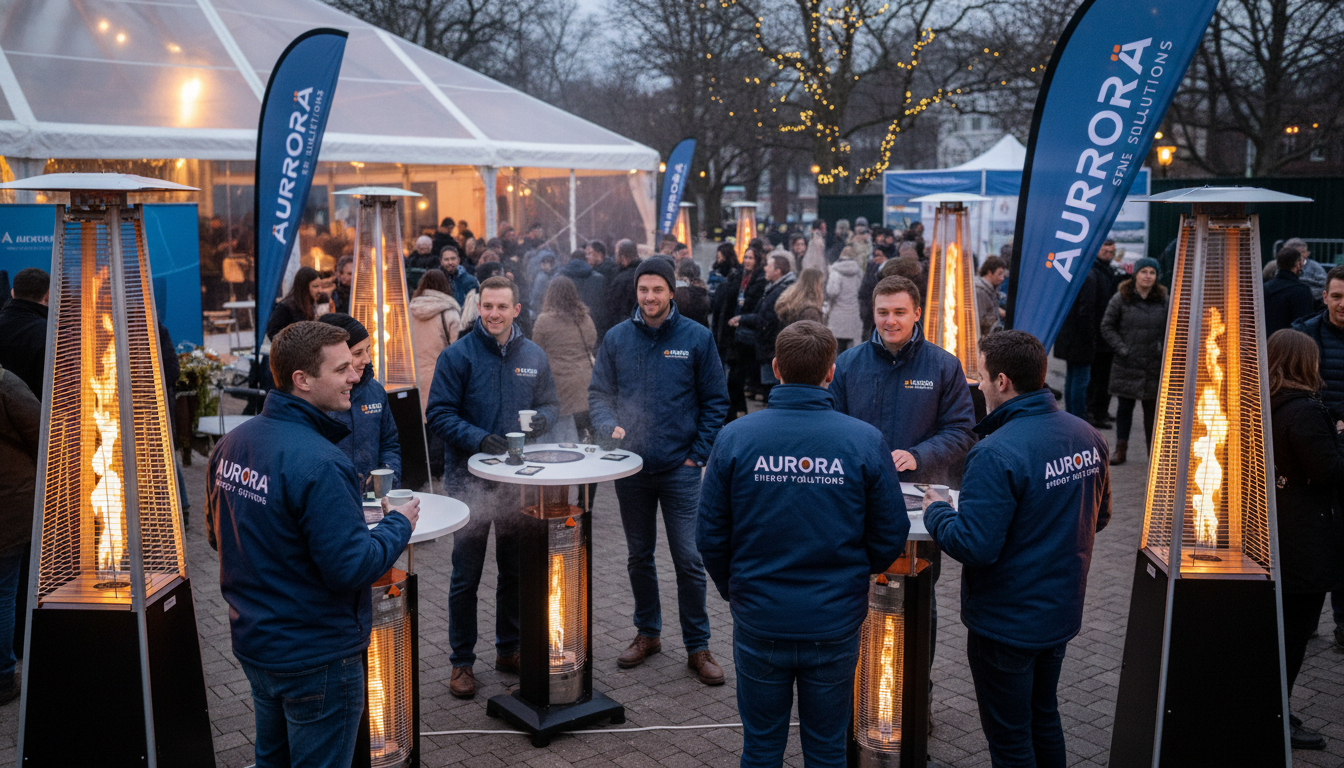
Event staff in matching branded jackets at outdoor activation with heating elements
Day-of Execution: Managing Your Activation Team
All your planning culminates in flawless execution during NBA All-Star Weekend. Effective day-of management separates good activations from disasters.
Communication Infrastructure
When managing 10-20 staff across multi-day activations in unfamiliar cities, communication systems prevent chaos.
On-site management team structure:
Establish a clear hierarchy that everyone understands:
Activation Director – Overall accountability, handles escalations, interfaces with venue management and brand leadership
Floor Managers (1 per 8-10 staff) – Direct supervision of staff, quality control, schedule management, immediate problem-solving
Lead Brand Ambassadors (experienced staff) – Informal leadership, training support, first point of contact for questions
General Staff – Execute their specific roles, escalate issues to floor managers
Communicate this structure during training so everyone knows their reporting lines.
Radio and communication systems:
For larger activations, two-way radios are essential:
Managers can coordinate without walking between stations
Emergency situations get immediate attention
Schedule changes communicate instantly to all staff
Discreet compared to shouting across activations
Rent professional radio systems (companies like ALSD or local AV providers) rather than using consumer walkie-talkies. Professional systems offer:
Better range and audio quality
More channels to avoid interference
Earpieces for discrete communication
Rechargeable batteries for multi-day use
Supplement radios with a staff group text thread for:
Pre-shift reminders and updates
Sharing real-time photos and wins
Quick questions that don't need immediate response
Post-shift feedback and schedule confirmations
Real-time problem solving:
Empower floor managers to make immediate decisions within defined parameters:
Can reassign staff between stations based on traffic flow
Authority to send underperforming staff on breaks or dismiss if necessary
Ability to adjust activation elements based on fan response
Budget to solve minor problems (buying additional supplies, etc.)
Establish what requires escalation to the activation director:
Safety or security concerns
Media or PR situations
Significant equipment failures
Attendance issues requiring backup staff activation
Budget decisions beyond manager authority
Quick replacement protocols:
Despite best planning, staff occasionally no-show or need replacement. Have systems ready:
On-call backup staff with 2-hour response time commitment
Agency emergency contact who can mobilize replacements
Cross-training so existing staff can cover different roles temporarily
Activation design that can operate at reduced capacity if necessary
Performance Monitoring
Managing quality requires active observation and measurement, not assuming everything's fine.
Quality control checkpoints:
Schedule manager walk-throughs every 30-60 minutes:
Observe staff engagement levels and energy
Listen to how brand messages are being communicated
Watch for off-brand behaviors or appearance issues
Check that activation elements are functioning properly
Ensure cleanliness and organization of activation areas
Shadow new or less experienced staff periodically:
Listen to a few fan interactions each hour
Provide real-time coaching and positive reinforcement
Identify training gaps that need addressing
Build confidence through supportive feedback
Customer engagement metrics:
Track activation performance through measurable data:
Fan participation numbers (entries, samples distributed, experiences completed)
Social media posts and engagement generated
Lead captures or data collection completions
Dwell time (how long fans stay at activation)
Return visits from fans who come back multiple times
Compare metrics across different times of day and days of the weekend to understand traffic patterns and optimize staffing.
Brand message compliance:
Mystery shop your own activation:
Have someone from your team pose as a fan
Engage with different staff members
Assess whether key brand messages are being conveyed
Identify messaging inconsistencies to address in next break
Record sample interactions (with permission) for training purposes and quality assessment.
Real-time feedback loops:
Create systems for continuous improvement throughout the weekend:
Pre-shift huddles (15 minutes before each shift):
Review yesterday's wins and challenges
Clarify goals and priorities for the shift
Address any questions or concerns
Build team energy and alignment
Mid-shift check-ins with individual staff:
"How's it going? Any challenges?"
"That interaction I just saw was perfect—keep it up."
"Let's adjust this approach slightly…"
Post-shift debriefs (15 minutes after shifts):
Celebrate wins and great performances
Identify what to adjust for next shift
Gather staff feedback about what would help them perform better
Thank everyone and build morale
Handling Common Challenges
Even well-planned activations face predictable challenges. Preparation prevents panic.
No-shows and last-minute cancellations:
Despite confirmations, 5-10% of staff may no-show. When it happens:
Immediately activate backup staff from your pre-arranged list. Don't wait to see if the missing person shows up—call backups within 15 minutes of scheduled start time.
Redistribute responsibilities among present staff if backups can't arrive immediately. Cross-trained staff fill gaps temporarily.
Document the no-show professionally. If working with agencies, report it immediately for replacement and billing adjustments.
For future events, implement confirmation systems that predict no-shows:
Text confirmation required 24 hours before shift
Phone call to anyone who doesn't respond
Pattern recognition (staff who show uncertainty in communication)
Staff performance issues:
When staff underperform despite training:
Address issues immediately but privately:
Pull them aside away from fans and other staff
Describe specific behaviors you observed
Ask if there are problems preventing performance
Provide clear correction and confirm understanding
Give them a chance to improve
If performance doesn't improve:
Remove them from fan-facing roles temporarily
Assign them to back-of-house tasks (setup support, supply runs)
For serious issues, send them home professionally
Activate backup staff for the remainder of the shift
Avoid making a scene that affects team morale. Handle performance issues discretely and professionally.
Unexpected crowd surges:
NBA All-Star Weekend crowds fluctuate dramatically. Friday evening and Sunday afternoon typically see peak traffic.
When your activation gets overwhelmed:
Call in off-duty staff if available and within budget
Redistribute staff from slower stations to high-traffic areas
Simplify activation elements temporarily to process more fans faster
Create queue management systems so fans wait in organized lines
Manage expectations by communicating wait times to fans
During unexpectedly slow periods:
Send some staff on early breaks to save for peak times
Increase proactive engagement—send brand ambassadors to invite passing fans
Use downtime for training reinforcement and coaching
Reset and refresh activation elements for upcoming crowds
Schedule changes and flexibility:
NBA All-Star Weekend schedules sometimes shift:
Celebrity appearances get delayed
Weather forces activation relocations
Venue access timing changes
Events run long affecting your timing
Build flexibility into staffing:
Never schedule staff for absolute minimum required hours
Pay staff for scheduled shifts even if timing changes
Communicate changes immediately through all channels
Have staff arrive with flexibility for 1-2 hour timing shifts
Compensate staff fairly when changes cause inconvenience. Paying for an extra hour maintains goodwill and ensures they show up reliably next day.
For professional event staffing services that handle these complexities on your behalf, event coordinator services provide experienced management teams that navigate challenges seamlessly, allowing you to focus on activation strategy rather than operational firefighting.
Post-Event Evaluation and Building for Next Year
NBA All-Star Weekend ends Sunday evening, but your staffing work continues into evaluation and relationship building.
Staff Performance Assessment
Systematic evaluation improves future events and identifies talent for your growing network.
Evaluation criteria and feedback:
Create a standardized evaluation form assessing each staff member:
Performance metrics:
Attendance and punctuality (on-time for all shifts, breaks, meetings)
Professionalism and appearance (maintained standards throughout event)
Brand knowledge and messaging (accurately conveyed key points)
Customer engagement quality (energy, friendliness, effectiveness)
Teamwork and flexibility (helped others, adapted to changes)
Problem-solving ability (handled challenges independently when appropriate)
Rate each criteria on a simple scale (1-5 or Exceeds/Meets/Below Expectations).
Collect feedback from multiple sources:
Floor managers who directly supervised daily
Activation director observations
Peer feedback (optional, for team roles)
Your own observations from walk-throughs
Provide constructive feedback to staff within 1-2 weeks:
Email top performers thanking them specifically for standout contributions
For solid performers, send appreciation with 1-2 specific examples of great work
For those who struggled, provide private constructive feedback
Ask all staff for their feedback about the experience
Identifying top performers for future events:
The best staff members are gold for your network:
Immediately invite top performers to join your talent network for future events. Add them to your database with notes about:
What roles they excelled at
Specific strengths (great with tech demos, exceptional energy, perfect brand voice)
Willingness to travel for future events
Other markets where they have connections
Create a "preferred talent" tier who receive first outreach for future NBA All-Star Weekends before general recruiting begins.
Documenting lessons learned:
Within 72 hours of activation ending, conduct a formal debrief with your management team:
What worked exceptionally well?
Staffing approaches that exceeded expectations
Local agency partners who delivered quality
Training methods that translated to great performance
Communication systems that kept everything coordinated
What challenges did we face?
Staffing gaps or miscalculations in numbers needed
Training areas that needed more depth
Logistical issues with venue, timing, or access
Local market surprises we didn't anticipate
What would we change next time?
Recruitment timeline adjustments
Different skill priorities for certain roles
Budget reallocations between roles or markets
Backup planning improvements
Document these insights in a formal report or database that you'll reference when planning next year's event.
Building city-specific playbooks:
Create a playbook for each host city containing:
Local staffing agencies ranked by performance
Wage expectations and negotiation insights
Specific venue logistics and access procedures
Weather planning considerations
Individual staff members who performed well (for future years if the city repeats)
Contacts at venues, credentialing offices, or other useful connections
These playbooks become invaluable if NBA All-Star returns to the same city in future years or when you staff other major events in that market.
Expanding Your National Network
Each NBA All-Star Weekend should expand your staffing capabilities for future events.
Adding vetted talent to database:
Every staff member who performed well represents potential future value:
Capture complete information:
Full contact details (email, phone, LinkedIn, Instagram if relevant)
Home city and willingness to work in other markets
Availability for travel and multi-day events
Specific skills and role preferences
Performance ratings and manager notes
Organize your database by:
Geographic market (city-based for local recruiting)
Role expertise (brand ambassadors, coordinators, technical specialists)
Experience level (seasoned pros vs. promising newcomers)
Availability tier (always available, sometimes available, local-only)
Use a simple CRM or spreadsheet system that's easily searchable and maintainable.
Maintaining relationships year-round:
Quality staff have many options. Stay connected so they think of you first:
Quarterly touchpoints:
Email newsletter with your brand's activation highlights
Job opportunities at other events (even if not All-Star)
Industry articles or content they might find valuable
Holiday greetings and appreciation messages
LinkedIn engagement:
Connect professionally with coordinators and leads
Endorse their skills and write recommendations
Engage with their content and career updates
Referral programs:
Offer bonuses when they refer quality staff who get hired
Create tiered rewards for multiple successful referrals
Recognize top referrers publicly
Leveraging success for recruiting:
Your successful NBA All-Star Weekend activation becomes a recruiting tool:
Create content showcasing the experience:
Behind-the-scenes photos and videos
Staff testimonials about their experience
Highlights of the activation's success
Professional photos staff can use in their portfolios
Share this content on:
Your website's careers or events page
Social media platforms
In recruiting materials for future events
During interviews with prospective staff
Position your brand as an employer that delivers exceptional event experiences, treats staff professionally, and provides resume-building opportunities.
Building market-specific expertise:
Each NBA All-Star Weekend makes you stronger in that specific market:
Document market intelligence:
Wage trends and labor market dynamics
Seasonal factors affecting staff availability
Cultural considerations affecting event styles
Regulatory environment and permitting processes
Build vendor relationships:
Stay in touch with agencies who performed well
Connect with venue operations teams
Maintain relationships with local suppliers
Create market advocates:
Identify 1-2 staff in each market who become your local ambassadors
Nurture these relationships with special attention
Give them first call when you return to their city
Potentially formalize relationships as local market coordinators
Over time, you develop true multi-market capabilities where you can staff NBA All-Star Weekend (or any major event) in any city with confidence, local knowledge, and established networks.
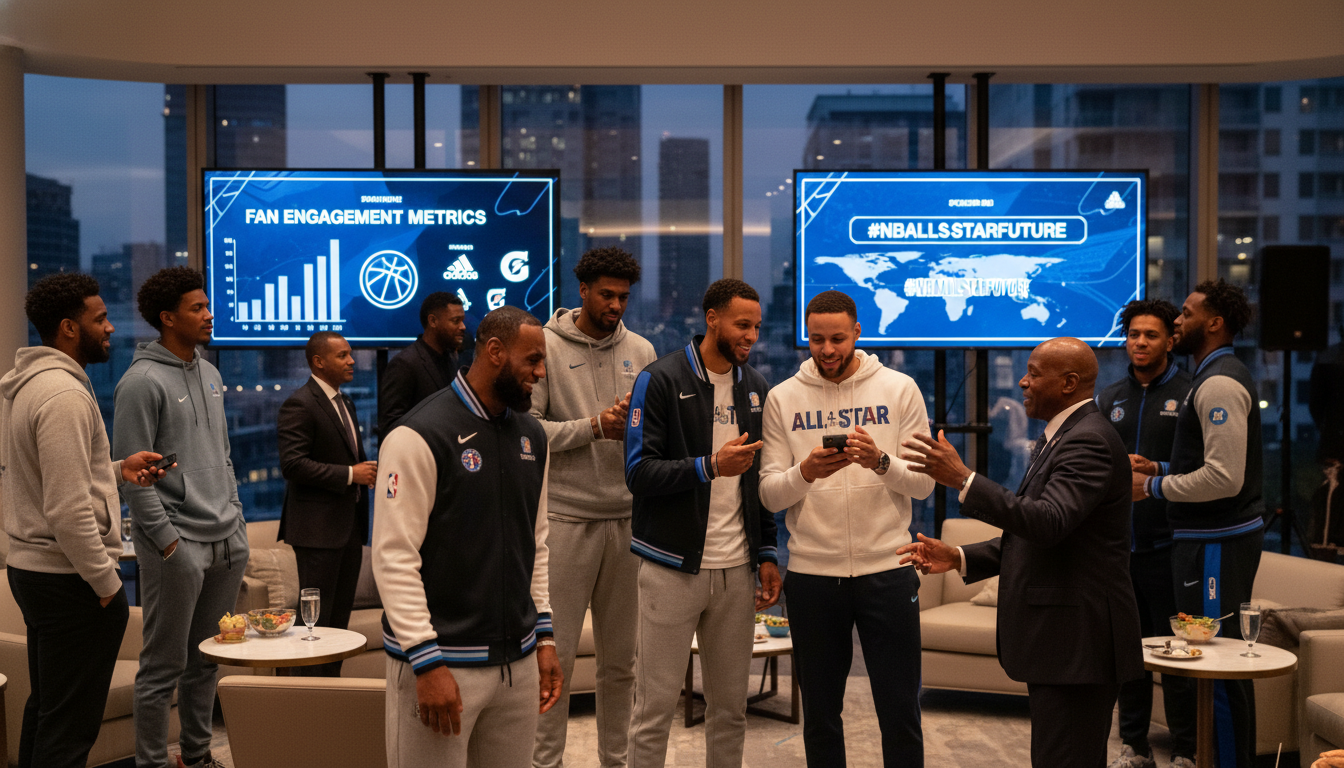
Post-event evaluation and network building turn each NBA All-Star Weekend into a foundation for future success
Working with a Professional Event Staffing Agency
For many brands, partnering with an experienced event staffing agency provides the expertise, infrastructure, and reliability that makes NBA All-Star Weekend staffing manageable.
Benefits of Agency Partnership
Professional agencies deliver value that extends far beyond simply providing bodies to fill positions.
Established multi-market networks:
Top event staffing agencies maintain databases of thousands of vetted professionals across major markets. When NBA All-Star Weekend moves to Cleveland, they already have:
Relationships with 50-100 Cleveland-based event staff
Performance history and ratings for each person
Recent deployment data showing who's active and reliable
Quick activation capability through established communication channels
This eliminates the 2-3 months you'd spend building a local network from scratch. Agencies can typically mobilize qualified teams within 2-4 weeks when you need faster turnarounds.
Faster talent sourcing:
Recruiting quality event staff requires time and expertise most brands don't have in-house:
Writing compelling job postings optimized for event talent
Screening hundreds of applications efficiently
Conducting effective interviews that predict performance
Checking references and managing background checks
Maintaining backup candidate pools
Agencies handle this entire pipeline as their core competency. They recruit continuously, not just when you have an event, maintaining warm talent pools ready to deploy.
Quality guarantees and replacements:
The most valuable agency benefit is risk transfer:
If a staff member no-shows, the agency provides immediate replacement at no additional cost. If someone underperforms, agencies swap them out. If you need last-minute additional staff, agencies mobilize their networks.
You're buying reliability, not just labor. Agencies stake their reputations on consistent quality and use systems that minimize failures you'd face with direct hiring.
Compliance and payroll management:
Event staffing involves complex administrative work:
Payroll processing with proper tax withholdings
Workers' compensation insurance
Compliance with local labor laws and overtime regulations
Form I-9 and work authorization verification
Background check administration and record-keeping
Agencies handle all administrative burden, ensuring legal compliance across different state jurisdictions and protecting you from employment law risks.
What to Look for in a Staffing Partner
Not all event staffing agencies are equally qualified for NBA All-Star Weekend activations. Vet potential partners carefully.
Track record with major sporting events:
Request case studies from similar events:
Previous NBA All-Star Weekends specifically
Other major sporting events (Super Bowl, Final Four, major marathons)
High-profile brand activations with comparable scale and visibility
Celebrity-involved events requiring professional discretion
Ask specific questions:
"How many NBA All-Star Weekends have you staffed?"
"What's the largest single activation team you've assembled?"
"Describe a challenging staffing situation and how you resolved it."
Look for depth of experience, not just proximity to events. An agency that staffed one corner of one activation shouldn't claim All-Star expertise.
National reach with local expertise:
The ideal agency combines broad geographic coverage with deep local knowledge:
National capabilities:
Talent networks in most major US markets
Experience staffing events across different cities
Consistent training and quality standards nationwide
Ability to deploy traveling staff when needed
Local expertise:
Dedicated recruiters in specific markets who understand local talent landscape
Relationships with city-specific venues, permitting offices, unions
Knowledge of local wage expectations and market dynamics
Cultural awareness of regional differences
Ask about their specific presence in the upcoming host city. Generic national agencies without local operations struggle compared to those with actual boots on the ground.
Responsive communication:
Evaluate agencies during your initial conversations:
How quickly do they respond to your inquiry?
Do they ask intelligent questions about your needs?
Can they articulate their process clearly?
Do they offer creative solutions or just generic proposals?
Poor communication during sales predicts poor communication during execution. If they're slow to respond or vague in proposals, they'll be worse when you're troubleshooting problems three days before All-Star Weekend.
Transparent pricing models:
Understand exactly what you're paying and what's included:
All-in hourly rates vs. itemized billing:
Some agencies quote flat hourly rates that include all costs
Others itemize base wages + agency fees + administrative costs
Neither is inherently better, but understand the total cost and what's covered.
What's included in pricing:
Staff wages for actual work hours
Training time compensation
Travel time to/from venue
Background checks and administrative processing
Manager/supervisor coverage
Replacement guarantees
Uniform or branded apparel costs
Additional fees to clarify:
Overtime rates and when they apply
Holiday or premium day surcharges (if All-Star falls on particular dates)
Last-minute staffing premiums
Cancellation or reduction penalties
Request proposals from 2-3 agencies to compare pricing and included services. The cheapest isn't always the best value.
Making the In-House vs. Agency Decision
Every brand faces the build-vs.-buy decision for NBA All-Star Weekend staffing.
Resource availability assessment:
Choose in-house staffing if you have:
Dedicated recruiting/HR team with event staffing experience
4-6 months lead time for thorough recruitment
Previous relationships in the host city
Internal payroll and compliance infrastructure
Willingness to accept risk of no-shows or underperformance
Choose agency partnership if you have:
Limited internal recruiting resources
Shorter timeline (less than 3 months to event)
No existing presence in the host city
Preference to outsource administrative burden
Need for guaranteed performance and replacements
Cost comparison frameworks:
Calculate true total cost of in-house staffing:
Direct costs:
Staff wages for all hours (work + training + travel time)
Payroll taxes and workers' compensation insurance
Background checks and compliance costs
Recruiting advertising and job board fees
Travel and lodging for any staff you fly in
Indirect costs:
Internal labor hours for recruiting, interviewing, coordinating
Training material creation and delivery
Payroll processing time
Risk of no-shows requiring last-minute scrambling
Potential underperformance impacting activation ROI
Compared to agency all-in pricing (typically 30-50% markup on base wages but including all services and guarantees).
For a 15-person activation team:
In-house might cost $8,000-10,000 in direct costs + 60-80 internal hours
Agency might cost $12,000-15,000 fully managed with guarantees
The $3,000-5,000 premium buys expertise, speed, and risk mitigation. Whether that's worth it depends on your internal capacity and risk tolerance.
Risk mitigation considerations:
Agencies transfer several critical risks:
No-show risk – With in-house recruiting, a no-show forces emergency scrambling. Agencies provide replacements immediately.
Performance risk – Underperforming direct hires are your problem. Agencies remove and replace inadequate staff.
Compliance risk – Employment law violations create legal exposure. Agencies handle compliance professionally across jurisdictions.
Reputation risk – Your brand's activation staffed by unprofessional team members damages marketing ROI. Agencies' quality control systems protect your investment.
For high-profile, high-investment activations, the risk mitigation often justifies agency costs.
Scalability requirements:
Consider your broader event marketing strategy:
If the NBA All-Star is a one-off event, building internal staffing capability may not make sense. The infrastructure you create won't be reused.
If you plan multiple major event activations annually (All-Star, Super Bowl, music festivals, etc.), building internal expertise across markets could justify the investment.
Hybrid approaches often work well:
Use agencies for your first few All-Star activations to learn the ropes
Build internal capabilities gradually for markets you activate in repeatedly
Continue using agencies for one-off cities while managing familiar markets in-house
Companies like Elev8 Brand Ambassadors specialize in exactly these scenarios—partnering with brands to staff NBA All-Star Weekend and other major sporting events with proven teams, multi-market reach, and the experience to handle the unique demands of high-profile activations. Their established networks and event-specific expertise eliminate the learning curve and risk that come with entering new markets.
Conclusion
Staffing a brand activation at NBA All-Star Weekend requires a fundamentally different approach than recurring events held in the same location. The rotating host city creates unique challenges—different talent pools, varying regulations, unfamiliar venues, and market-specific dynamics that change completely every year.
Success comes from strategic planning that begins months in advance, systematic recruitment processes that adapt to each local market, comprehensive training that ensures brand consistency regardless of staff background, and flawless execution supported by strong communication systems and contingency planning.
The brands that excel at NBA All-Star Weekend staffing master several key capabilities: evaluating local talent landscapes quickly, making smart decisions about local versus traveling staff ratios, vetting candidates effectively from a distance, managing city-specific logistics and compliance requirements, and building national networks that grow stronger with each event.
Whether you choose to manage staffing in-house or partner with professional event staffing agencies, the foundational principles remain the same: start early, prioritize quality over cost savings, invest in thorough training, plan for challenges, and build relationships that extend beyond a single weekend.
NBA All-Star Weekend represents one of sports marketing's premier opportunities. Your activation's success ultimately rests on the quality, professionalism, and performance of the team representing your brand to thousands of basketball fans. The staffing strategies in this guide provide a proven framework for building those teams—no matter which city hosts next year's All-Star Weekend.
Start planning now for the next NBA All-Star Weekend. Research the host city, evaluate your staffing needs, and begin building the networks and partnerships that will transform your activation from good to exceptional.