Retail Activation Staffing: Best Practices for Pop-Ups and Demos
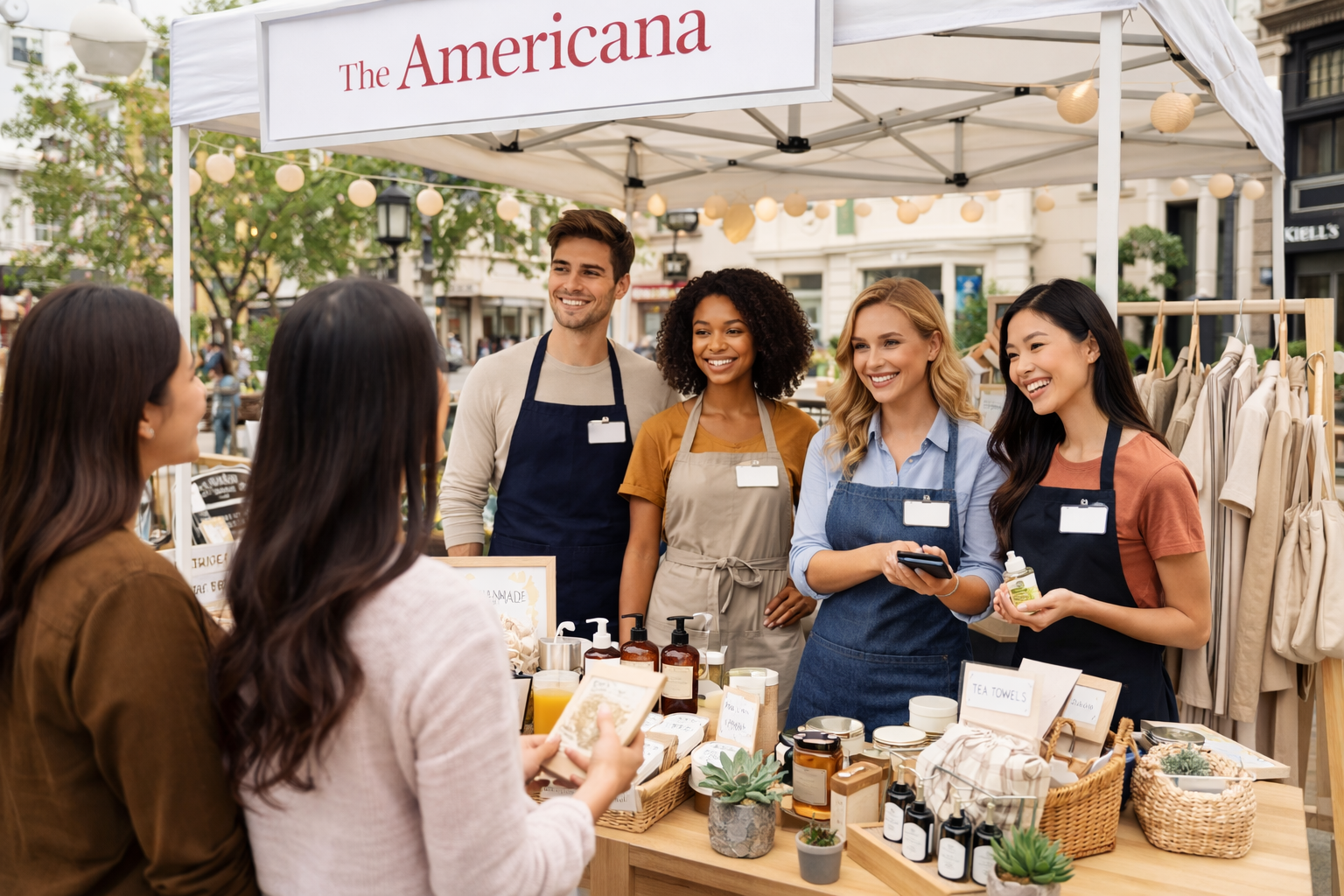
In today’s crowded marketplace, consumers are bombarded with advertising messages at every turn. From social media ads to billboards, it’s easy for a brand’s message to get lost in the noise. That’s why brands are increasingly investing in experiences that allow them to connect directly with consumers. Retail activations—whether pop-up shops, in-store demos, or large-scale experiential events—offer a face-to-face interaction that builds lasting impressions and deepens brand loyalty. But no matter how creative or well-designed the activation is, its success hinges on one crucial factor: staffing.
Even the most eye-catching installations or high-tech demos can fall flat without the right people representing the brand. Skilled, enthusiastic, and knowledgeable staff are the difference between a visitor walking away impressed or indifferent. Understanding how to recruit, train, motivate, and deploy your team is essential for maximizing the impact of any retail activation.
Why Retail Activations Matter
Retail activations are far more than marketing gimmicks. They’re proven tools for driving sales, building brand awareness, and fostering customer loyalty. According to Event Marketer, 63% of consumers are more likely to remember a brand after participating in an experiential activation, and 80% report feeling a stronger emotional connection to that brand. These experiences go beyond passive consumption—they immerse visitors in the brand story, creating memorable moments that stick.
Temporary pop-ups create a sense of urgency and exclusivity. Limited-time experiences naturally attract consumers, boosting foot traffic and increasing engagement. A luxury fashion brand in New York City, for example, combined AR try-on stations with Instagram-worthy photo opportunities. Staff guided visitors through the experience, helping them interact with the brand on multiple levels. The results were impressive: engagement increased by 70%, and social shares jumped 50%, amplifying reach far beyond the physical location.
Retail activations are also a way to test new products, gather customer feedback, and drive direct sales. For brands, this data is invaluable—insights from a single event can inform larger campaigns, refine messaging, and improve product offerings.
The Importance of Staffing
Staffing is the linchpin of any successful retail activation. While the activation’s design, location, and technology are all important, staff are the human touchpoint that shapes visitor perception. They drive conversions, generate leads, and create experiences that people want to share online.
Key roles in retail activations typically include:
Brand Ambassadors: Energetic, approachable, and knowledgeable, they engage visitors, communicate the brand story, and answer questions. Their job is to make the brand relatable and exciting.
Demo Specialists: They provide detailed product demonstrations, explaining features and benefits, and addressing specific customer needs.
On-Site Coordinators: Coordinators oversee logistics, ensure the activation runs smoothly, troubleshoot issues, and maintain a seamless flow for both staff and visitors.
Social/Content Staff: These team members document the event, encourage social media sharing, and track engagement. Their content helps amplify the activation beyond the physical space (ATN Event Staffing).
Even small activations benefit from a well-structured team. The difference between a mediocre event and a memorable one often comes down to how effectively staff are prepared and positioned.
Hiring the Right Staff
Recruiting the right retail team is the foundation of a successful activation. Ideal candidates typically exhibit:
High energy and a positive attitude
Comfort engaging with large crowds
Product knowledge or the ability to learn quickly
Strong storytelling and communication skills
During the hiring process, role-playing exercises are particularly effective. Have candidates practice approaching a visitor or giving a demo. This allows you to see how they handle different scenarios, respond to questions, and engage naturally. Staff who can adapt their approach depending on the visitor’s mood, interests, or familiarity with the product will outperform those who stick to a script.
Experience is valuable, but attitude often matters more. A brand ambassador who is genuinely enthusiastic and personable will leave a stronger impression than someone highly trained but disengaged.

Training Staff for Success
Even seasoned staff require brand-specific training. No two activations are the same, and each brand has a unique story, tone, and messaging. Comprehensive preparation should include:
Brand Story and Values: Staff must be able to communicate the brand’s mission, personality, and differentiators consistently.
Product Features and Benefits: Deep knowledge of the products ensures confident and accurate demonstrations.
Event Objectives and KPIs: Understanding the goals—whether it’s lead generation, social shares, or direct sales—helps staff prioritize efforts.
Customer Engagement Strategies: Staff should know how to approach visitors, start meaningful conversations, and adapt messaging based on visitor interest.
Safety Protocols and Emergency Procedures: Particularly for events with large crowds or interactive elements, safety training is essential.
Interactive training methods improve retention. Workshops, role-playing, video tutorials, quizzes, and gamified training can make learning fun while reinforcing key points. When staff understand both the brand and the activation objectives, visitors receive a consistent, high-quality experience at every touchpoint.
Designing the Activation Around Staff
The effectiveness of staff is influenced by how the activation is designed. Considerations include traffic flow, interactive elements, and opportunities for social media engagement.
Traffic Flow: Arrange the activation so visitors move naturally from one station to the next. Avoid bottlenecks or crowded areas that overwhelm staff. Clear signage and intuitive layouts help staff guide visitors efficiently.
Interactive Elements: AR try-ons, VR experiences, product sampling, and touchscreen interfaces give visitors reasons to linger and engage. These elements provide natural conversation starters for staff.
Social Media Opportunities: Encourage visitors to share experiences online using branded hashtags. Staff can guide participants, create photo opportunities, and facilitate contests that drive engagement.
For instance, a beverage brand pop-up encouraged visitors to post on social media using a branded hashtag. Staff explained how to participate, resulting in a 50% increase in online engagement. This not only amplified the event’s reach but also provided measurable data for ROI analysis.
Clear Roles and Responsibilities
Ambiguity can derail even the best-planned activations. Each staff member should have a clearly defined role, such as:
Greeter: Sets the tone, welcomes visitors, and provides initial information.
Demo Specialist: Demonstrates products and answers questions.
Lead Collector: Captures emails, phone numbers, or social media handles.
Social Media Staff: Documents the event and encourages online sharing.
Coordinator: Oversees operations, solves issues, and maintains overall flow.
Floor maps, schedules, and role descriptions help staff understand responsibilities, zones, and reporting lines. When everyone knows what’s expected, the activation runs smoothly, visitors have a seamless experience, and staff can focus on engagement rather than logistics.
Motivation and Incentives
Motivation is critical to maintaining energy and engagement throughout the event. Staff perform best when they feel recognized and rewarded. Incentives can include:
Performance-Based Bonuses: Reward staff for leads captured, demos completed, or sales generated.
Leaderboards: Encourage friendly competition and track top performers.
Recognition: Shout-outs during events or follow-up acknowledgments reinforce positive behaviors.
A case study from a beverage brand illustrates this: staff who were incentivized with small bonuses for the highest number of leads captured increased overall engagement by 30%. Simple incentives can make staff more proactive, enthusiastic, and attentive, directly impacting the visitor experience.
Tools and Technology for Staff
Technology can dramatically improve the efficiency and effectiveness of retail activations. Key tools include:
Tablets and Mobile Devices: Capture leads, process purchases, and track interactions in real time.
Digital Dashboards: Monitor KPIs live, enabling staff to adjust tactics and optimize performance.
Communication Apps: Ensure smooth coordination between staff, coordinators, and management.
For example, a tech brand used iPads to capture emails and social handles during a pop-up. Real-time analytics allowed coordinators to see which demos were most effective, guiding staff adjustments and maximizing lead collection (Barnastics).
Engagement Techniques That Work
Staff should focus on creating meaningful interactions, not just completing tasks. Best practices include:
Immediate Greeting: Acknowledge visitors within three seconds of arrival.
Open-Ended Questions: Learn about visitor interests to tailor the experience.
Tailored Demonstrations: Adjust demos to individual needs.
Lead Capture: Politely collect emails or social media handles.
Encouraging Social Sharing: Highlight hashtags, contests, or content opportunities.
Professionalism and approachability must be balanced. Overly scripted interactions can feel robotic, while genuine conversation builds trust and encourages repeat engagement.
Measuring Success
Data-driven measurement is essential to optimize staffing and maximize ROI. Key metrics include:
Engagement Metrics: Time spent at the booth, demos completed, visitor participation percentage.
Conversion Metrics: Leads captured, samples claimed, sales generated.
Sentiment Metrics: Visitor feedback, social shares, and online reviews.
ROI Metrics: Revenue compared to staffing and activation costs.
By analyzing these metrics, brands can refine staffing strategies, identify top performers, and continuously improve future activations.
Common Challenges and Solutions
Even the best-planned activations face obstacles. Some common challenges include:
Low Foot Traffic: Increase local marketing, leverage street teams, collaborate with influencers, or schedule during peak periods.
Underperforming Staff: Rotate shifts, provide coaching, and give real-time feedback to boost performance.
Inventory Issues: Pre-plan stock, assign inventory management responsibilities, and have backup supplies ready.
Negative Visitor Interactions: Train staff in de-escalation techniques to maintain professionalism and positive experiences (Elevate Event Staff).
Prepared staff and contingency plans turn potential setbacks into manageable situations, ensuring the activation continues smoothly.
Practical Takeaways
To execute a successful retail activation, focus on:
Hiring the Right Staff: Prioritize energy, communication skills, and adaptability.
Training Thoroughly: Cover brand story, product knowledge, engagement tactics, and KPIs.
Designing Around Staff: Optimize layout, interactive elements, and social engagement.
Defining Roles Clearly: Ensure each team member understands responsibilities and zones.
Motivating Staff: Incentives and recognition improve engagement and morale.
Equipping with Technology: Tablets, dashboards, and communication tools enhance efficiency.
Measuring Success: Use KPIs to refine strategies and optimize ROI.
Preparing for Challenges: Contingency planning and coaching ensure smooth execution.
When executed correctly, retail activations transform one-time interactions into meaningful, long-term customer relationships. Skilled staff can turn casual visitors into loyal advocates, ensuring every activation delivers measurable results. The combination of strategic staffing, proper training, and effective measurement transforms a simple pop-up or demo into a memorable brand experience that drives both engagement and growth.Sources
Experiential Marketing Stats: https://wifitalents.com/experiential-marketing-statistics/
Pop-Up Event Engagement: https://eventxgames.com/blog/pop-up-experiences-engagement-retail
Retail Pop-Up ROI Stats: https://bestcolorfulsocks.com/blogs/news/retail-pop-up-fashion-store-roi-statistics
Pop-Up Staffing: https://atneventstaffing.com/pop-up-events/
Pop-Up Engagement Insights: https://www.barnastics.com/news/top-us-pop-up-hotspots-for-2025
De-escalation Techniques: https://elev8.la/blog/de-escalation-techniques-every-event-staffer-should-know
Pop-Up Marketing Statistics: https://www.amraandelma.com/pop-up-shop-marketing-statistics/