Targeting Missouri's Ag Influencers at the State Fair
Every August, the city of Sedalia, Missouri, becomes ground zero for the most important gathering in Midwest agriculture. The Missouri State Fair draws more than 330,000 visitors over 11 days — farmers, ranchers, 4‑H members, FFA members, rural families, agribusiness professionals, and a growing crowd of agricultural content creators who document every corner of it for audiences that trust them completely.
For agribusiness brands, CPG companies, seed and equipment manufacturers, and rural lifestyle companies, this is not just a fair. It is one of the highest‑density concentrations of agricultural influencers you will find anywhere in the country — all in one place, for nearly two weeks, in a setting that is practically designed for authentic content creation.
The challenge is that most brands either miss the opportunity entirely or show up without a plan capable of converting the moment. A booth with brochures and a banner is not a strategy. Reaching ag influencers at an event like the Missouri State Fair requires a different approach — one that accounts for who these creators are, what they are looking for when they walk your exhibit, and what kind of human presence your brand needs on the floor to make the interaction worth sharing.
This guide walks through how to build that strategy, from pre‑fair outreach through post‑event amplification, and what the staffing infrastructure behind a successful agricultural event activation actually looks like.
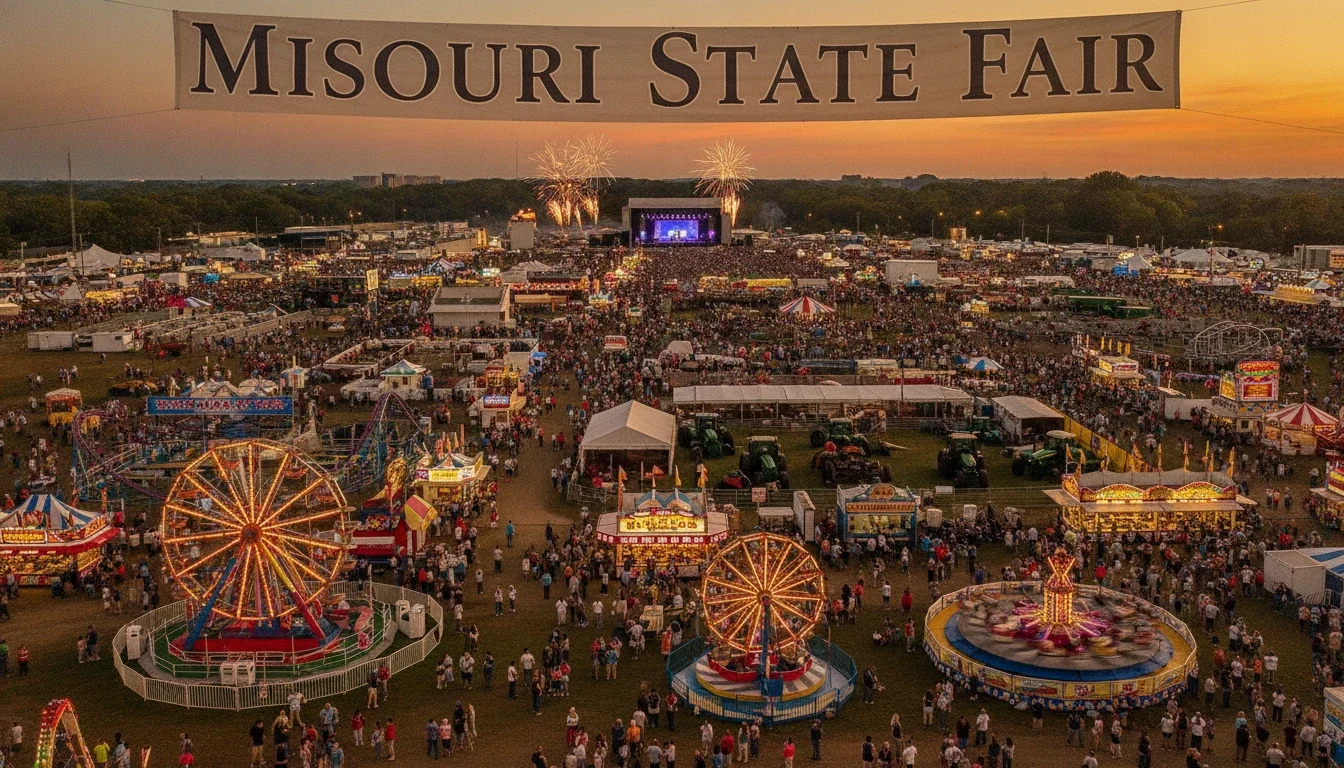
The Missouri State Fair spans 396 acres and draws more than 330,000 visitors annually
Why the Missouri State Fair Is a Prime Influencer Touchpoint
The Scale and Reach of the Show‑Me State’s Biggest Agricultural Event
Established in 1899, the Missouri State Fair is one of the oldest state fairs in the nation and remains the state’s largest agricultural and tourism event. The 396‑acre fairgrounds in Sedalia host approximately 30,000 competitive entries annually across livestock, fine arts, floriculture, home economics, and more. Nearly 4,000 Missouri 4‑H and FFA members exhibit there each year.
The Missouri Department of Agriculture uses the fair as a central platform for connecting the public with the state’s agricultural economy — featuring agribusiness exhibits, commodity showcases, and educational programming that attracts serious industry professionals alongside general consumers. In 2026, the fair runs August 13 through August 23, and will celebrate its 125th anniversary.
What this creates for brands is a layered audience: casual fair‑goers who are broadly receptive to sampling and discovery, agricultural industry insiders who evaluate brands with a professional eye, and a growing cohort of rural content creators who are actively looking for things to film, review, and bring back to their communities.
Who Is an Agricultural Influencer — and Why They Attend in Force
Agricultural influencers are not the same as mainstream lifestyle or consumer influencers. They are working farmers, ranchers, homesteaders, agronomists, rural educators, and agri‑tech commentators who have built audiences by sharing genuine on‑farm content. Their followers are not passive consumers — they are other farmers, rural families, and agricultural students who rely on these creators for practical information, product recommendations, and a sense of community.
At the Missouri State Fair, these creators show up for the same reasons anyone in agriculture does: to see livestock, check in with industry peers, attend educational sessions, and connect with the brands shaping the sector. But they are also working. They are capturing content. And they are surrounded by their audience.
For a brand with a booth on the fairgrounds, that dynamic creates an extraordinary opportunity — if you are set up to take advantage of it.
Understanding the Ag Influencer Landscape at the Fair
The Three Tiers of Ag Influencers You’ll Encounter
Not all ag influencers operate at the same scale, and understanding the difference helps you allocate your outreach energy appropriately.
Macro ag influencers (100,000+ followers) are relatively rare in agriculture and often have formal brand partnership structures already in place. You are unlikely to capture their attention at a fair unless you have done pre‑event outreach, and even then, a spontaneous interaction rarely leads to meaningful content unless the experience is exceptional.
Mid‑tier ag influencers (10,000–100,000 followers) are your most accessible and highest‑ROI targets at an event like the Missouri State Fair. They are actively building their audiences, they tend to post more frequently from events, and they are more open to discovering brands organically on the floor. They also often have niche audiences — row crop farmers, cattle ranchers, homesteaders, rural moms — that are more valuable to targeted agribusiness brands than a broader general audience.
Micro-ag influencers and emerging creators (under 10,000 followers but with strong engagement) are everywhere at state fairs, often without formal influencer identities. They may be 4‑H alumni, FFA advisors, agriculture teachers, or working farmers who post for a deeply engaged local audience. A positive encounter with your brand at the fair can generate content that reaches exactly the communities you are trying to penetrate.
What They’re Looking For at a Brand Activation
Agricultural influencers are professional skeptics when it comes to brand marketing. They have been through enough trade shows and sponsored content campaigns to recognize inauthenticity immediately — and their audiences have too. What they respond to at live events is different from what drives mainstream influencer engagement.
They want to see the product or service in a real context. A seed company showing yield data in action, a nutrition brand offering a working demonstration, or an equipment company staffing their booth with people who can actually answer technical questions — these are the interactions that earn content.
They also want to be treated as peers, not pitches. An ag influencer who walks into your booth and gets handed a brochure by a brand ambassador who cannot answer a question about soil health is not going to post about you. But if they have a genuine conversation with someone who understands their world, that is a different story entirely.
Content Opportunities Ag Influencers Prioritize at Live Events
Behind‑the‑scenes access: demonstrations, product trials, live Q&As with company agronomists or representatives
Visual storytelling moments: anything photogenic, tactile, or dramatic that works on Instagram or short‑form video
Data and proof points: claims they can verify on‑site and share with the authority to their audiences
Human stories: the people behind the brand — farmers who use the product, researchers who developed it, staff who clearly know and care about agriculture
Exclusive or limited access: early product previews, contests, or opportunities their followers cannot get anywhere else
Building a Brand Activation Strategy Designed for Ag Influencer Reach
Step 1 — Map Your Booth to the Influencer’s Content Needs
Before the fair opens, your booth should be designed with content creation in mind. That does not mean building a social media photo booth with your logo on a neon sign. It means making sure that every element of your exhibit can tell a story that an agricultural creator would want to bring to their audience.
Think about what your brand does that a farmer or rancher would actually find interesting. If you sell crop protection products, can you show a side‑by‑side field comparison? If you manufacture feed supplements, can you bring real before‑and‑after livestock data? If you are a cooperative or commodity organization, can you connect visitors with a producer member who can speak to the value of your work from personal experience?
The physical layout matters too. Booths with interactive elements, live demonstrations, and open conversation areas generate more organic influencer engagement than static display setups. Make your space easy to film in — good lighting, uncluttered backgrounds, and clear product positioning all help influencers create content they are actually proud to post.
Step 2 — Pre‑Fair Outreach and Partnership Building
Spontaneous influencer engagement is valuable, but the highest‑impact activations at events like the Missouri State Fair are ones where relationships are established before the gates open. Identify mid‑tier ag influencers who are based in Missouri or whose audiences overlap with your target markets — Missouri, Kansas, Iowa, Illinois — and reach out four to six weeks before the fair with a genuine, personalized invitation.
This does not need to be a formal paid partnership. For micro and mid‑tier creators, an invitation to visit your booth, meet your team, and experience your product or service firsthand is often enough. Offer a behind‑the‑scenes session, a conversation with a company agronomist or product developer, or a first look at something not yet publicly available. Give them a reason to show up with their camera.
Agriculture is one of the most relationship‑driven industries in the country. Influencers who feel genuinely valued and appropriately engaged will become long‑term brand advocates — not just one‑time fair posts. Farm Journal has documented this extensively: the ag influencer partnerships that generate real results are built on trust, not transaction.
Step 3 — Creating Shareable On‑Site Moments
Once the fair is underway, your activation needs to generate moments worth capturing. These do not need to be elaborate or expensive — they need to be real and relevant to an agricultural audience.
Product demonstrations are consistently among the highest‑performing content triggers at agricultural events. A live demonstration of how a product performs under real conditions, explained by someone who genuinely knows the subject, gives an influencer a narrative they can bring to their followers with confidence. It also positions your brand as knowledgeable and trustworthy rather than simply promotional.
Interactive elements work well too — soil testing, seed germination displays, livestock nutrition consultations, or hands‑on equipment trials all give creators something to do on camera rather than just something to look at. The more a visitor can participate, the more content they can generate, and the more naturally your brand appears in that content.
Do not underestimate the power of the people at your booth. In an industry where peer trust is everything, having staff who can speak authentically about your product — whether that is because they have farming backgrounds themselves or because they have been genuinely trained on the technical details — is one of the most effective content triggers available.
Step 4 — Staff Your Activation to Serve Two Audiences at Once
A state fair brand activation is not a single‑audience challenge. You are simultaneously trying to engage general fair‑goers who are curious about your product, agricultural professionals who are evaluating your brand with a critical eye, and influencer creators who are deciding whether your booth is worth featuring to their audiences. Your staffing needs to serve all three.
This is where getting your personnel right becomes directly tied to your marketing outcomes. A brand ambassador who looks polished but cannot answer a question about planting populations is not going to earn trust from an ag influencer or their audience. At the same time, a subject matter expert who has no instinct for guest engagement or content opportunity recognition will not make the most of the influencer interactions that come through your exhibit.
The answer is intentional staffing design: knowledgeable, enthusiastic brand ambassadors who are briefed on your product’s technical points and your influencer outreach goals, backed by product or agronomy specialists who can step in for deeper conversations, and coordinated by experienced event staff who can manage flow, ensure no interaction falls through the cracks, and keep the activation running at full strength across an 11‑day event.
Brands working with professional staffing agencies like Eleven8 Event Staff benefit from a roster of pre‑vetted personnel who can be matched to an event’s specific character and audience. For an agricultural event, that means people who are comfortable in a farm and ranch environment, who understand the cultural context of the audience they are engaging, and who carry themselves with the kind of authenticity that earns rather than loses trust in an industry that can spot a performance immediately.
If your brand has product demonstration or pop‑up activation needs, dedicated product demo staff and pop‑up staff — carefully selected and briefed for your specific agricultural context — form the operational backbone of a fair activation done well.
What Great Brand Ambassador Staffing Looks Like at an Agricultural Event
Deep product briefing: staff can answer real agricultural questions, not just describe features
Cultural fluency: genuine comfort in a farming and ranching environment, not performative enthusiasm
Influencer awareness: trained to recognize when a creator is filming and how to facilitate rather than interrupt
Lead capture discipline: consistent collection of influencer contact information for post‑event follow‑up
Endurance: capable of maintaining energy and professionalism across long daily shifts over multiple days
Backup coverage: no‑show gaps at a multi‑day event can cost you significant influencer interactions — full‑strength coverage every day is non‑negotiable
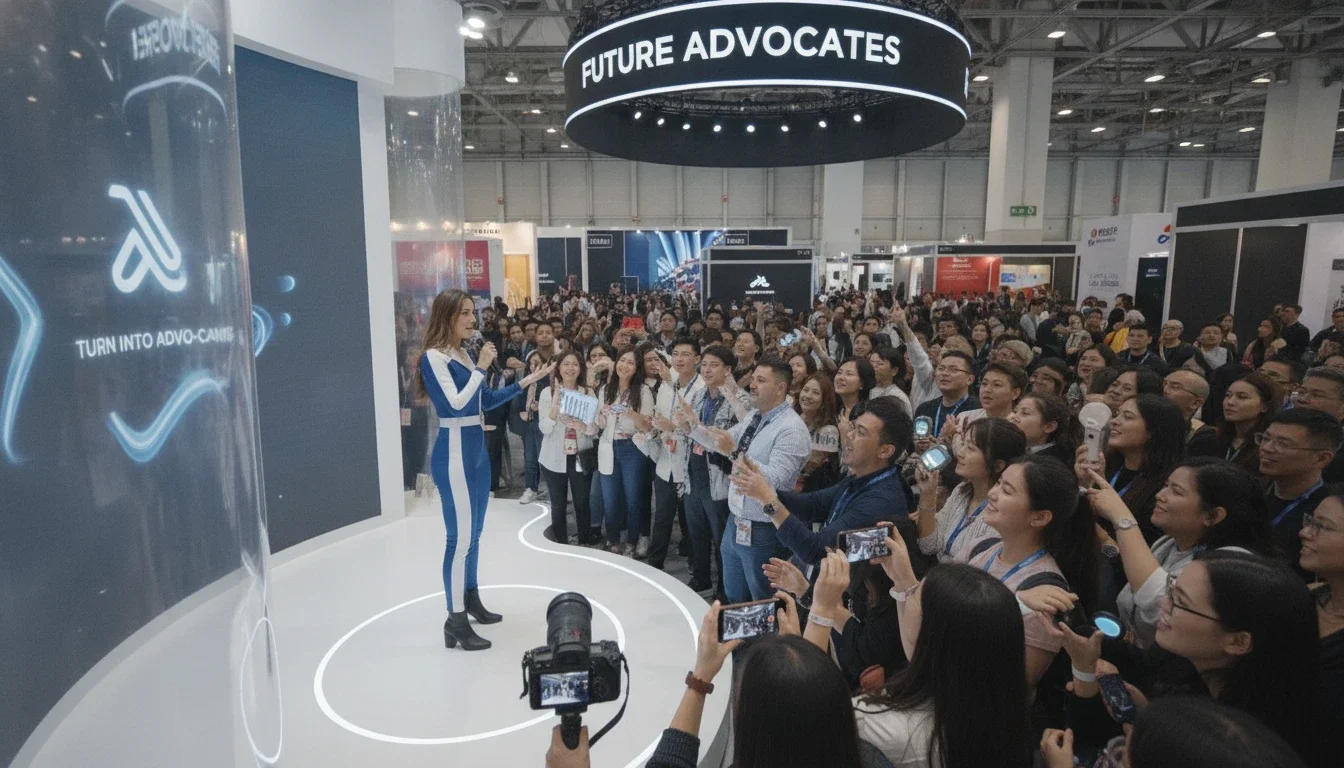
Trained brand ambassadors turn casual fair‑goers into brand advocates — and give influencers something worth filming
The Logistics Reality: What It Takes to Execute Well at a Fair of This Scale
Timeline and Planning Benchmarks
The Missouri State Fair’s commercial exhibits and sponsorship program is managed by the Missouri Department of Agriculture, and planning timelines run well ahead of the August dates. Brands seeking exhibitor space should be in conversations with the fair’s commercial exhibits team by late winter or early spring. Sponsorship commitments often happen even earlier.
For staffing, four to six weeks of lead time is the functional minimum for a well‑matched, properly briefed team. For a multi‑day event of this scale, earlier is always better — it allows for more thorough staff selection, adequate product training, and the kind of pre‑event preparation that makes the difference between a booth that generates content and one that generates nothing.
Influencer outreach should begin four to eight weeks before the fair opens. The most successful pre‑fair partnerships are built around genuine value exchange — not last‑minute cold pitches that land in a creator’s inbox the week before the event.
Booth Staffing and Coverage Requirements
An 11‑day event presents a staffing challenge that a single‑day activation does not. Personnel fatigue, scheduling gaps, and inconsistent representation across the fair’s full run can significantly dilute the impact of even a well‑designed activation. A brand that is fully staffed on opening weekend but understaffed by midweek has effectively wasted the relationship equity it built with the influencers who visited early.
Industry best practice is to plan for full‑strength coverage every day, with built‑in backup. Agencies that include backup staffing as a standard part of their service structure — not an add‑on — are better partners for multi‑day events where no‑show risk is compounded by duration.
For a mid‑size exhibit booth at the Missouri State Fair, a typical coverage plan might include two to four brand ambassadors per shift, rotating through morning and afternoon blocks, with a lead or captain coordinating daily operations and serving as the point of contact for influencer visits. Larger activations with demonstration components may require additional product specialists, demonstrators, or registration staff to manage flow.
Backup Plans and On‑Site Coordination
State fairs are long, outdoor, high‑traffic environments. Staffing plans that work on day one can encounter unexpected gaps by day five. Weather, illness, scheduling conflicts, and logistical complications are all in play across an 11‑day event. A staffing structure with built‑in backup coverage and a dedicated on‑site coordinator who can make real‑time adjustments is not a luxury at an event of this scale — it is a requirement.
Working with a staffing agency that provides dedicated account management, 24/7 event‑day support, and pre‑briefed backup staff for every assignment means that your brand presence does not degrade as the fair progresses. The influencer who visits your booth on day nine should have the same quality experience as the one who visited on day one.
Post‑Fair Amplification: Turning One Weekend Into Months of Content
Working With Influencer Content After the Fair
The Missouri State Fair ends in late August, but the content it generates does not. Agricultural influencers — particularly in the mid‑tier and micro categories — often continue posting fair‑related content for weeks after the event, especially if the experience was genuinely positive. A brand that facilitates great on‑site moments is likely to appear in that extended content cycle.
After the fair, request permission to reshare influencer content that features your brand. Engage authentically with their posts — comments, shares, and direct messages that acknowledge specific details of their visit demonstrate that your brand paid attention. This kind of post‑event engagement strengthens the relationship and signals to the influencer that their content mattered, which makes them more likely to continue covering your brand.
Following Up With Influencer Contacts
Any influencer or creator who visited your booth and engaged meaningfully should be in your post‑fair follow‑up sequence. Within a week of the event, reach out with a personal note that references something specific about their visit. If they posted content featuring your brand, acknowledge it specifically.
For creators you want to build a longer relationship with, discuss what a more formal partnership might look like going forward — whether that is a seasonal content arrangement, a product ambassador program, or a priority invitation to your next event activation. The relationship built at the fair is the foundation; the follow‑up is what makes it durable.
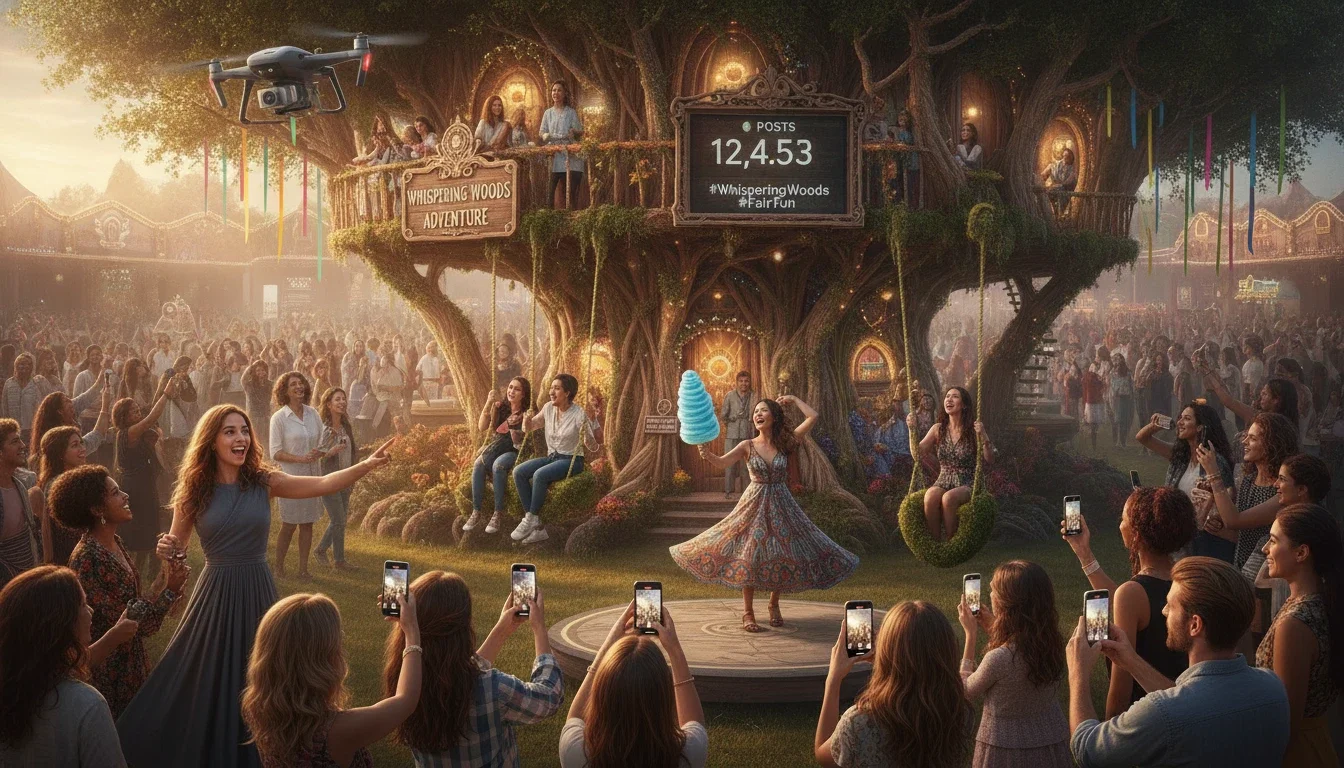
One well‑executed fair activation can generate weeks of authentic content from multiple influencer accounts
Ready to Staff Your Next Agricultural Event?
Whether you’re planning a full exhibit activation at the Missouri State Fair or building a brand presence at another agricultural event, the staffing infrastructure behind your activation will determine how well you convert the opportunity. Eleven8 Event Staff provides pre‑vetted, fully briefed brand ambassadors, product demonstration staff, and trade show personnel across Kansas City and throughout the Midwest — with dedicated account management, built‑in backup coverage, and event‑day support that keeps your activation running at full strength from day one to day eleven.
👉 Request a staffing quote at elev8.la/book-now