When more than 60 brands converge on a single city over three days, competing for the attention of 125,000 basketball fans, celebrities, and influencers, you're witnessing something extraordinary. NBA All-Star Weekend has evolved far beyond a mid-season exhibition into what industry insiders call the "crown jewel" of sports marketing.
From the sprawling NBA Crossover fan festival to coordinated citywide takeovers, this event delivers brand engagement opportunities that simply don't exist anywhere else in professional sports. The scale, cultural relevance, and execution complexity make it a case study in what happens when sports, entertainment, and commerce collide at the highest level.
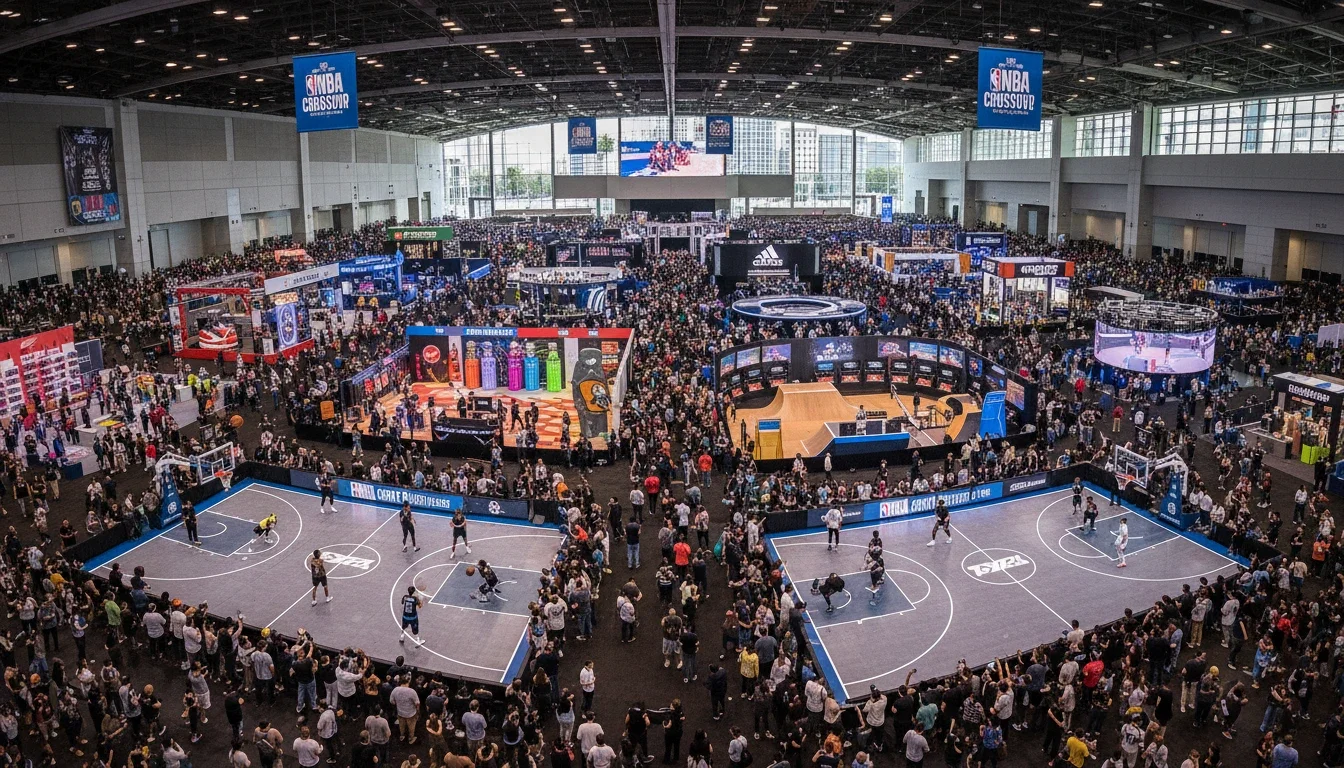
NBA Crossover at the Los Angeles Convention Center features 40+ brand activations across 300,000 square feet
The Evolution of NBA All-Star Weekend Into a Marketing Powerhouse
From Basketball Showcase to Cultural Festival
The transformation of NBA All-Star Weekend mirrors the evolution of sports marketing itself. What began as a single-night showcase of the league's best players has expanded into a multi-day cultural festival that extends far beyond the basketball court. The introduction of NBA Crossover—a dedicated fan festival spanning more than 300,000 square feet—fundamentally changed what brands could accomplish during All-Star Weekend.
The NBA Crossover fan festival now occupies massive convention center spaces adjacent to arena venuesBizBash, creating a dedicated environment where brands can build immersive experiences without competing for physical space with the games themselves. This infrastructure investment by the NBA transformed the event from a series of scattered activations into a coordinated brand festival that rivals major trade shows in scale and sophistication.
The weekend now seamlessly integrates basketball with music, fashion, art, and technology. Major concerts anchor evening programming. Fashion brands debut exclusive collections. Tech companies showcase cutting-edge products. This cultural integration isn't superficial—it reflects the authentic intersection of basketball culture with lifestyle brands that already exist in the minds of NBA fans.
The Numbers Behind the Phenomenon
Recent NBA All-Star Weekends have attracted 60+ brands activating across host cities, representing among the highest number of sponsors the event has ever seen. This level of brand participation surpasses most other single sporting events and rivals only mega-events like the Olympics and Super Bowl in sponsor density.
The economic impact extends far beyond sponsorship fees. Indianapolis reported an influx of 125,000 visitors during its All-Star Weekend hosting, with economic impact expected to be felt for years to come. These aren't passive attendees—they're highly engaged fans willing to wait in lines, participate in brand experiences, and share their activities across social media.
Media reach compounds the in-person attendance significantly. The games themselves draw millions of television viewers, but the broader weekend activations generate exponential social media impressions through influencer coverage, fan-generated content, and brand amplification. The NBA brought more than 200 influencers to recent All-Star Weekends, ensuring that activations reach audiences far beyond those physically present.
For brands executing large-scale activations at venues like convention centers and sports arenas, the importance of experienced event staffing services cannot be overstated. Managing simultaneous activations across multiple venues requires coordinated teams who understand both brand representation and high-volume event logistics.
What Makes NBA All-Star Weekend Different From Other Major Sporting Events
The Unique Audience Profile
NBA All-Star Weekend attracts a fundamentally different audience than most major sporting events. The fan base skews younger, more diverse, and more culturally engaged than traditional sports audiences. These are consumers who view basketball as part of a broader lifestyle that includes fashion, music, technology, and social causes.
The audience isn't just demographically valuable—it's psychographically aligned with brand activation goals. NBA fans expect interactive experiences. They want to participate, not spectate. They're comfortable with technology integration and social sharing. They appreciate authentic brand storytelling that respects basketball culture rather than exploiting it.
Celebrity and influencer attendance amplifies every activation. From NBA players to musicians, actors, and social media personalities, the concentration of influential attendees creates organic amplification opportunities that brands can't replicate through paid advertising alone.
The Multi-Day, Multi-Venue Advantage
Unlike single-event spectacles such as the Super Bowl, NBA All-Star Weekend spreads across three to four days and multiple venues. This extended timeline creates dramatically different strategic opportunities for brands.
A Super Bowl activation is essentially a one-shot opportunity compressed into game day. NBA All-Star Weekend allows brands to build momentum, test and iterate experiences, capture audiences at different times and locations, and create multiple touchpoints with the same consumers throughout the weekend.
The multi-venue aspect is equally strategic. NBA Crossover occupies dedicated convention center space neighboring arena venues, providing a controlled environment for brand buildouts. Meanwhile, citywide activations allow brands to intercept fans during their broader weekend experience—at retail locations, public spaces, transportation hubs, and neighborhood pop-ups.
This geographic and temporal diversity means brands can execute coordinated campaigns rather than isolated activations. The Jordan Brand approach during the Los Angeles All-Star Weekend exemplifies this strategy: activations extended across retail partners including Shoe Palace and JD Sports, with each tailored to its specific neighborhood while maintaining consistent brand expression, all anchored by a central Jordan Brand House, The Drum.
Culture Meets Commerce
Basketball's cultural cachet extends far beyond athletic performance. The NBA has successfully positioned itself at the intersection of sports, fashion, music, and social activism. This cultural positioning creates activation opportunities that feel organic rather than forced.
Fashion is a major component of All-Star Weekend activations, with events like the Foot Locker Takeover featuring sneaker drops from Nike, Jordan Brand, Adidas, Puma, and Converse alongside NBA athlete appearances. These aren't sponsorship obligations grafted onto a sporting event—they're authentic expressions of the culture surrounding basketball.
The youth culture relevance translates directly into trend-setting power. Products launched or showcased at NBA All-Star Weekend gain cultural credibility that traditional advertising can't provide. When a sneaker drops at All-Star Weekend, it becomes part of basketball history. When a tech product is featured in an activation, it becomes associated with innovation and cultural fluency.
Social media amplification happens naturally because the content aligns with what fans already want to share. A clever activation at NBA All-Star Weekend generates organic content because it fits naturally into the social media behavior of attendees.
Why Brands Call NBA All-Star Weekend Their "Crown Jewel"
Unmatched Brand-to-Fan Engagement Opportunities
The ability to create memorable, hands-on brand experiences at scale separates NBA All-Star Weekend from most marketing opportunities. Brands can build elaborate multi-room experiences, host celebrity appearances, offer exclusive product customization, and create shareable moments—all within environments designed specifically for fan engagement.
American Express created a three-floor Amex Experience activation featuring behind-the-scenes access to TNT's Inside the NBA show, talent meet-and-greets, interactive stations, and an exclusive Card Member Club for personalizing merchandise. This level of experiential depth would be difficult to justify for a single-day event but makes strategic sense across a multi-day festival.
Player and celebrity integration creates authentic moments that elevate brand activations beyond typical marketing. NBA All-Stars personally participated in brand experiences like Coinbase's interactive basketball competition, creating genuine engagement rather than obligatory celebrity endorsements.
The concentrated foot traffic through spaces like NBA Crossover means brands can reach thousands of highly engaged consumers in controlled environments. Unlike street activations where audiences are transient and distracted, convention-based activations capture audiences who have specifically chosen to attend and participate.
The Strategic Timing Advantage
NBA All-Star Weekend occurs mid-season, representing a key moment that brands emphasize and focus on after the initial tip-off. This timing provides several strategic advantages that other tentpole sporting events lack.
The mid-season position means the event doesn't compete with playoffs intensity or championship emotions. It's a celebration rather than a competition, creating a more receptive environment for brand messaging. Fans attend to enjoy experiences rather than watch their teams fight for survival.
Post-Super Bowl, pre-March Madness timing places All-Star Weekend in a relatively open window on the sports marketing calendar. Brands that went all-in on the Super Bowl can shift focus to basketball. Those planning March Madness activations can test concepts and build momentum. The event serves as a strategic bridge in annual marketing calendars.
The extended planning runway differentiates All-Star Weekend from reactive sporting events. NBA planning for All-Star Weekend begins immediately after the previous year's event concludes Adweek, giving brands nearly a full year to conceptualize, design, and execute sophisticated activations. This planning window supports the level of production quality and integration that makes activations successful.
Professional brand ambassador programs require similar advance planning to ensure staff are properly trained on brand messaging, product knowledge, and customer engagement protocols specific to each activation.
Measurable Business Outcomes
While brand awareness and cultural credibility are valuable, NBA All-Star Weekend delivers concrete business results that justify the substantial investment required.
Product launches and exclusive drops create immediate sales opportunities. Limited-edition merchandise, sneaker releases, and exclusive product access drive direct revenue while building brand equity. The "drop culture" surrounding All-Star Weekend creates urgency and FOMO that supports premium pricing.
Social media reach extends far beyond in-person attendance. Brands leverage influencer partnerships, user-generated content, and real-time social amplification to reach millions of consumers who never visit the physical activations. The highly visual, shareable nature of basketball culture makes content naturally viral.
Consumer data collection happens at scale when fans register for experiences, participate in contests, or access exclusive content. This first-party data becomes increasingly valuable as privacy regulations limit traditional digital tracking.
Direct lead generation supports sales beyond the weekend itself. B2B brands like American Express and AT&T use All-Star Weekend to engage business decision-makers in relaxed environments where relationship-building happens naturally.
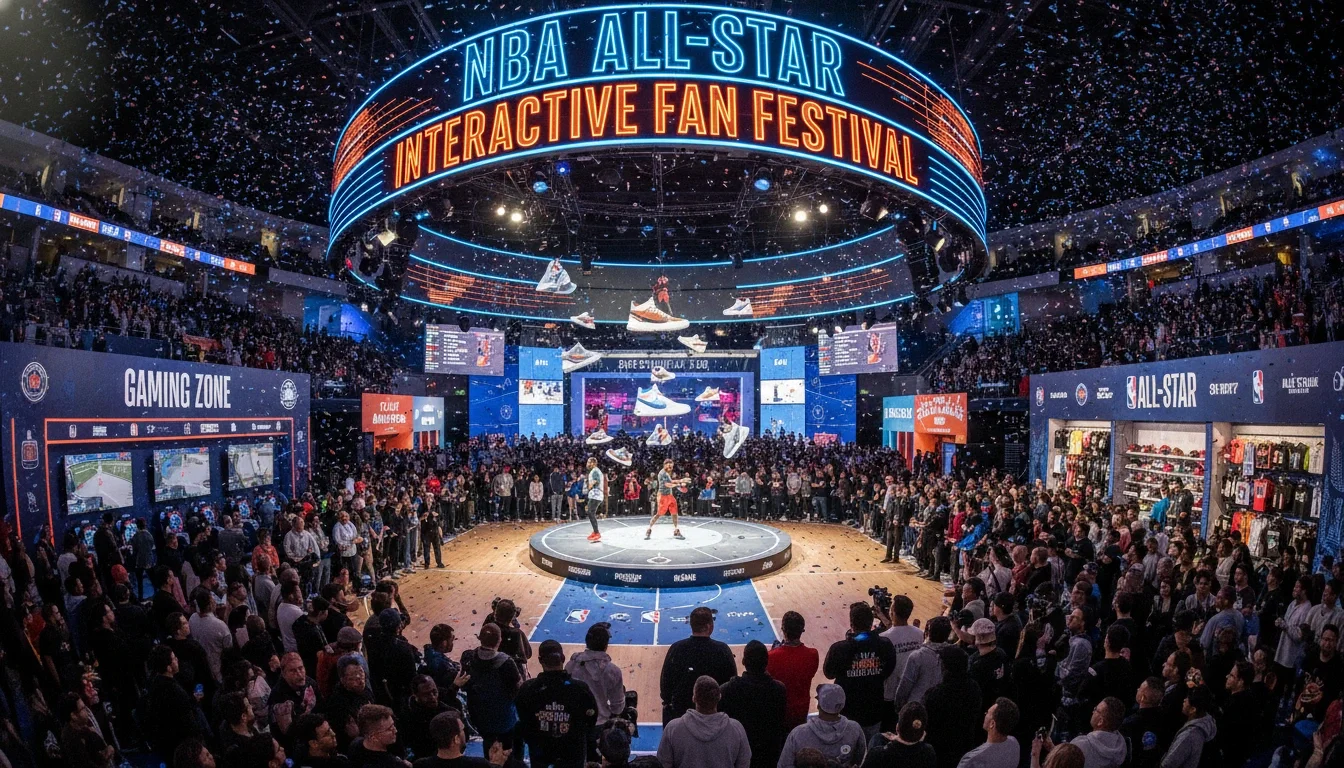
Interactive brand experiences at NBA All-Star Weekend engage fans through product demonstrations, gaming competitions, and exclusive merchandise
Inside NBA Crossover: The Activation Hub
The Scale and Scope
NBA Crossover has become the centerpiece of brand activation strategy during All-Star Weekend. The Los Angeles edition transformed over 300,000 square feet of the Los Angeles Convention Center into a sprawling, culture-forward fan festival spanning four days. This dedicated activation infrastructure solves logistical challenges that would be impossible to address through scattered citywide pop-ups alone.
The space accommodates simultaneous programming that would overwhelm traditional venues. Fans moved between viewing parties for marquee games, celebrity appearances, festival-style zones, live commentary, giveaways, and a courtside concert by Ludacris at Hardwood Central BizBash. This variety keeps audiences engaged for extended periods rather than brief activation visits.
Multi-day access means brands can build daily programming rather than one-time experiences. Morning sessions might feature product demonstrations and hands-on activities. Afternoon programming could include celebrity appearances and competitions. Evening events transform into parties and concerts. This temporal diversity allows brands to reach different audience segments throughout the weekend.
Types of Brand Activations at NBA Crossover
The range of activation types at NBA Crossover demonstrates the creative flexibility brands have within the space. Technology demonstrations showcase products in action, allowing consumers to experience capabilities rather than hear about features. Meta provided attendees chances to test the Meta Quest 3S model while enjoying live performances and basketball competitions Event Marketer.
Product customization stations create personalized takeaways that extend brand engagement beyond the event. DoorDash's Bag Lab activation centered on customizing mini DoorDash bags with patches and team-inspired charms, anchored by an oversize sculptural delivery bag that served as the booth's entry point. These customization experiences generate both tangible souvenirs and social media content.
Interactive gaming and competition experiences tap directly into basketball culture. State Farm created a tech-driven LED half-court that adjusted shot distances based on selected skill levels—Rookie, Starter, or All-Star—with responsive floors and walls that shifted court markings in real time. These competitive elements drive repeat visits and extended dwell time.
VIP lounges and hospitality spaces serve dual purposes: rewarding premium customers and creating aspirational experiences for general attendees. American Express's Card Member Club provided an exclusive space for Amex customers to personalize merchandise and participate in fireside chats with NBA players and broadcasters.
Retail pop-ups and exclusive merchandise capitalize on the "drop culture" surrounding All-Star Weekend. Limited availability and event-specific products drive purchase urgency while creating collectible value that extends beyond the weekend.
Successful Activation Examples
Examining specific activations reveals patterns in what resonates with All-Star Weekend audiences. Google Pixel's multi-day interactive experience featured photo moments, an open court, programming with Gemini Live, and partnerships with SLAM magazine to launch the first-ever LeagueFits Magazine edition. This activation succeeded by integrating product features, basketball culture, and creative partnerships into a cohesive experience.
Coinbase created a futuristic Coinbase Arena environment featuring a 17,000-pound robotic basketball hoop. Participants signed up through Coinbase Wallet, earned points for successful shots, and redeemed points for valuable merchandise while their scores tracked on a blockchain-powered leaderboard. The activation educated consumers about Coinbase's offerings through gameplay rather than traditional demonstration.
Nike and its family of brands dominated through scale and integration. Nike's three-day Future Game experience at Oakland's Henry J. Kaiser Center featured competitive showcases for future basketball stars, appearances from Nike's All-Star athletes, and exclusive product debuts including the new Black Label Collection.
The most memorable activations shared common elements: they respected basketball culture, offered genuine participation rather than passive observation, created shareable moments naturally, and integrated brand messaging organically rather than forcing product placement.
The Citywide Takeover Strategy
Beyond the Convention Center
While NBA Crossover provides concentrated foot traffic, the broader citywide activation strategy allows brands to create discovery moments throughout the host city. This distributed approach intercepts fans during the full All-Star Weekend experience rather than confining engagement to controlled environments.
During San Francisco's All-Star Weekend, fans carried branded shopping bags, lined up outside once-vacant storefronts, and turned driveways, civic plazas, and warehouses into courts and concert venues throughout blocks between Union Square and Moscone Center. The entire city became an activation canvas.
Neighborhood activations create local relevance and community connection. Brands that activate in specific neighborhoods can tailor messaging and experiences to local culture while still maintaining overall brand consistency. This hyper-local approach feels more authentic than generic citywide campaigns.
Public space transformations leverage existing foot traffic patterns. Rather than asking fans to seek out brand experiences, these activations intercept natural movement through the city. Transportation hubs, popular gathering spots, and routes between venues become opportunities for brand visibility and engagement.
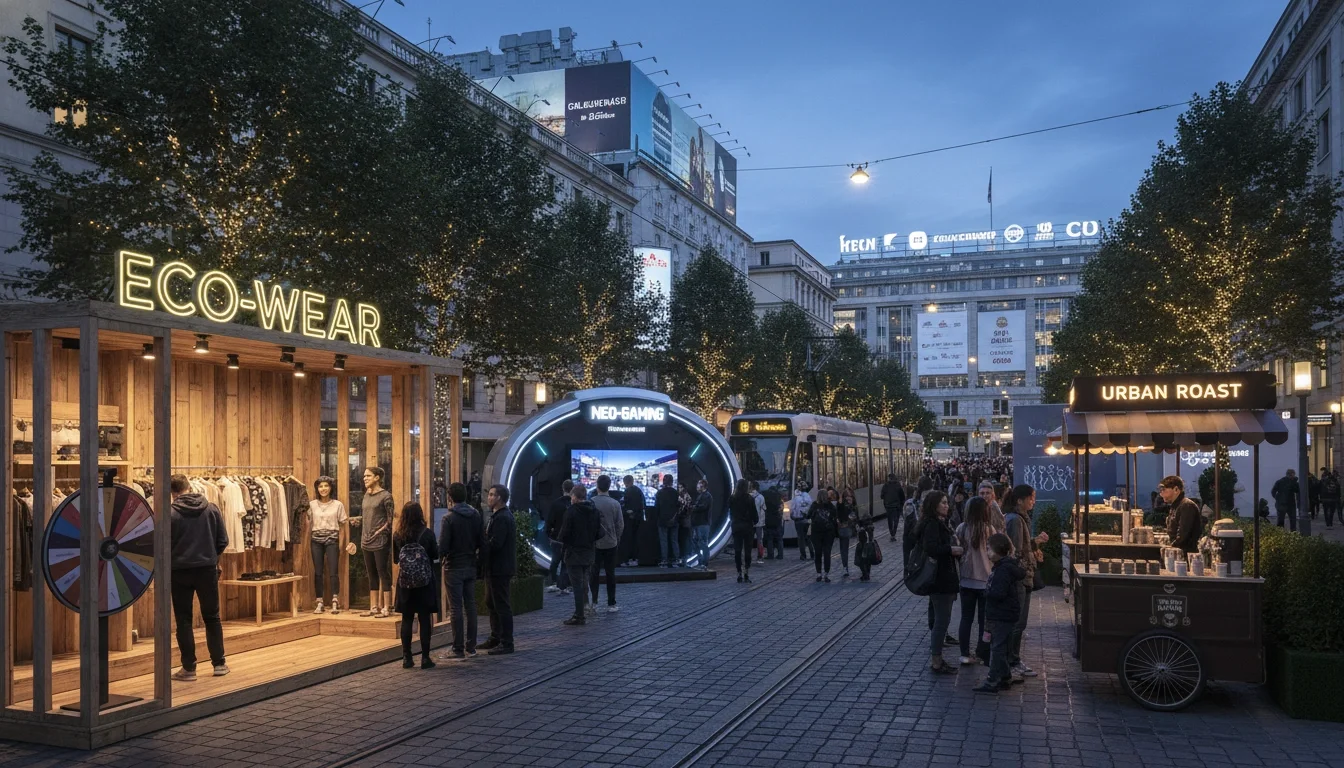
Brands extend their presence beyond the convention center with pop-up experiences throughout the host city
Jordan Brand's Multi-Location Blueprint
The Jordan Brand activation strategy during Los Angeles All-Star Weekend exemplifies sophisticated citywide coordination. Jordan Brand activated across multiple neighborhoods and retail partners while maintaining a large-format Jordan Brand House, creating a synchronized footprint that unfolded across the city.
Jordan Brand's presence extended across retail partners including Shoe Palace and JD Sports, with each activation tailored to its specific neighborhood while maintaining consistent brand expression. This approach required careful design discipline to ensure experiences felt cohesive despite geographic distribution.
The Jordan Brand House served as an anchor, featuring a tented basketball court and community programming including a car show and flea market. This central destination provided a home base while neighborhood activations created a networked presence throughout the city.
The coordination required for this distributed model is substantial. Managing event staff across multiple Los Angeles locations simultaneously demands sophisticated logistics, real-time communication systems, and experienced personnel who can operate independently while maintaining brand standards.
Why Location Diversity Matters
Multi-location strategies succeed because they meet fans where they already are rather than requiring them to seek out a single destination. During All-Star Weekend, fans move constantly between hotels, restaurants, retail districts, arena venues, and social gatherings. Activations distributed throughout this movement pattern maximize brand touchpoints.
Extended dwell time across the weekend means a single brand can create multiple impressions on the same consumer through different location-based experiences. A fan might encounter a brand at a morning coffee shop activation, interact again at an afternoon retail pop-up, and attend an evening event at the brand house. Each touchpoint reinforces messaging while offering varied experiences.
The discovery element creates social media moments that concentrated activations can't replicate. When fans unexpectedly encounter a brand activation while exploring the city, the surprise and delight generates more authentic social sharing than programmed photo opportunities.
Local community engagement builds goodwill beyond the weekend itself. Activations that incorporate local businesses, hire local staff, and contribute to neighborhood vitality create positive associations that extend beyond brand messaging to corporate citizenship.
The Operational Complexity Behind Successful Activations
Staffing Requirements for Large-Scale Brand Activations
The human infrastructure required for NBA All-Star Weekend activations often determines success more than creative concepts or production budgets. A major brand activation easily requires 40+ event staff members working across multiple shifts to maintain consistent coverage throughout multi-day programming.
Role diversity compounds staffing complexity. Brand ambassadors represent the company and communicate product benefits. Registration staff manage check-in systems and data collection. VIP services personnel handle celebrity appearances and premium customer experiences. Product demonstration specialists need deep knowledge of technical features. Crowd management staff maintain line control and safety. Each role requires different skills and training.
Training requirements intensify when brand activations span multiple venues. Staff must understand overall brand messaging while adapting to location-specific protocols. They need technical knowledge about products or services while maintaining flexibility to handle unexpected situations. Cultural fluency matters tremendously—staff must authentically represent basketball culture and connect with diverse audiences.
Coordination across simultaneous activations tests organizational capabilities. When a brand operates at NBA Crossover, a retail pop-up, and a VIP event simultaneously, communication systems must keep teams synchronized. Management personnel need real-time visibility into all locations to allocate resources, address problems, and maintain quality standards.
The 24/7 nature of All-Star Weekend creates staffing challenges beyond typical events. Early morning setup, all-day activation hours, late-night events, and overnight security mean brands need multiple shift rotations. Staff fatigue management becomes critical to maintain service quality throughout the weekend.
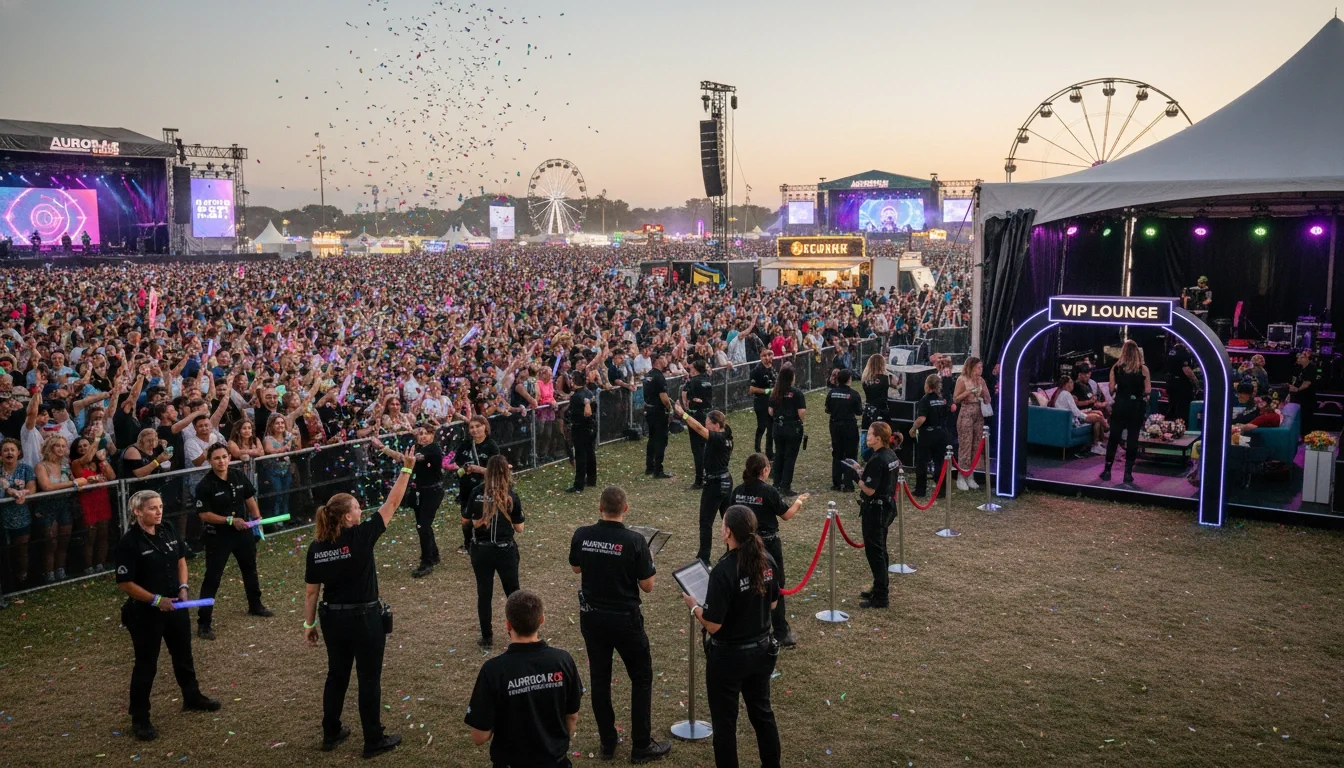
Professional event staff manage high-volume activations, VIP experiences, and crowd engagement throughout the multi-day festival
The Event Staffing Professional's Perspective
Generic temporary staffing fundamentally fails at high-profile brand activations. The stakes are too high, the audience too sophisticated, and the competition too intense for mediocre execution. When Fortune 500 brands invest millions in NBA All-Star Weekend activations, staffing becomes a make-or-break factor.
Professional event staffing agencies approach All-Star Weekend activations differently than typical temporary placement. Rigorous vetting processes ensure staff can handle high-pressure environments where celebrities, executives, and thousands of fans create constant demands. Only the top percentile of applicants possess the combination of professionalism, personality, adaptability, and cultural fluency required.
Cultural fit and brand representation skills matter enormously. Staff must genuinely understand and appreciate basketball culture to connect authentically with attendees. They need sophisticated communication skills to engage meaningfully with diverse audiences ranging from corporate executives to teenage fans. Surface-level enthusiasm isn't sufficient—the best event professionals bring genuine passion and insider knowledge.
Real-time problem-solving capabilities separate professional event staff from basic temporary workers. When technology fails, when crowds exceed expectations, when celebrities arrive unannounced, when weather disrupts outdoor activations—professional staff adapt seamlessly rather than requiring management intervention for every deviation from the plan.
The difference between adequate and exceptional execution becomes obvious during All-Star Weekend's intensity. Adequate staffing keeps activations running. Exceptional staffing creates memorable brand experiences that generate social media buzz, positive consumer sentiment, and measurable business outcomes. Brands increasingly recognize this distinction and partner with premium event staffing agencies accordingly.
Logistics and Coordination Challenges
Managing simultaneous activations across different venues requires sophisticated coordination systems. When a brand operates at the convention center, two retail locations, and a VIP evening event, logistics become exponentially more complex than a single-location activation.
Technology integration presents constant challenges. Interactive displays, registration systems, product demonstration equipment, social media integration, and payment processing must function flawlessly. Technical failures during high-traffic periods damage brand perception more than successful technology enhances it—the risk/reward ratio demands expert technical support.
Celebrity and athlete appearance coordination adds another layer of complexity. Scheduling conflicts, transportation logistics, security requirements, and entourage management require experienced personnel who understand the protocols and expectations surrounding high-profile talent.
Crowd management and line control directly impact guest experience and safety. Popular activations can generate hours-long wait times. Professional staff must maintain crowd organization, set accurate expectations, create engagement during waits, and ensure safety standards throughout. Poor crowd management creates social media backlash that undermines activation investments.
Inventory and merchandise management becomes critical when activations include giveaways, product sales, or limited-edition items. Tracking real-time inventory across multiple locations, preventing stockouts of popular items, managing payment processing, and ensuring secure handling of valuable merchandise requires experienced logistics personnel.
The complexity explains why major brands increasingly turn to nationwide event staffing providers who can deploy experienced teams to any All-Star Weekend host city while maintaining consistent quality standards.
Strategic Considerations for Brands Activating at NBA All-Star Weekend
Authenticity Over Scale
Size alone doesn't determine activation success at NBA All-Star Weekend. The most memorable experiences create genuine connections with basketball culture rather than imposing brand messages through sheer production scale.
NBA's head of partner management emphasized that brands who embrace what is unique to them as a brand and their unique offering to fans are the ones that people remember. This principle should guide activation design more than budget considerations.
Smaller activations can break through better than massive buildouts when they demonstrate cultural fluency and offer authentic value. A cleverly designed experience that respects basketball history, integrates current culture, and creates shareable moments will outperform a generic large-scale activation that feels disconnected from the event's essence.
Examples of successful smaller-scale activations share common traits: they solve real problems for attendees, they create genuine participation opportunities, they reflect deep understanding of basketball culture, and they generate organic social sharing rather than relying on incentivized posting.
Aligning with basketball culture requires research and humility. Brands should study the intersection of basketball with fashion, music, art, and social issues rather than assuming surface-level associations. Partnerships with cultural insiders—players, artists, designers, community leaders—ensure authenticity that in-house teams alone can't achieve.
The Power of Partnerships
Successful All-Star Weekend activation requires the ability to partner with others and leverage the great heat that others can bring while giving a little heat to them in return. This collaborative approach maximizes impact while sharing resources and risks.
Co-branded experiences create unique value propositions that neither brand could offer independently. When technology brands partner with fashion retailers, when beverage companies team with entertainment platforms, or when financial services brands collaborate with sports media—the combined offering becomes more compelling than separate activations.
Retail partnerships provide established locations, existing foot traffic, and built-in credibility. Rather than creating standalone pop-ups, brands can activate within trusted retail environments where their target consumers already shop. The retail partner gains exclusive content and experiences while the activating brand accesses prime real estate and qualified audiences.
Cross-promotional opportunities multiply reach when partners promote each other's activations. Google and AT&T created a passport program where fans who visited both brands' activations at NBA Crossover could enter a raffle to win autographed jerseys. This collaboration drove traffic to both experiences while creating added value for participants.
Resource sharing becomes increasingly important as activation complexity grows. Sharing production capabilities, staffing resources, technology infrastructure, or media assets reduces costs while maintaining impact. Strategic partnerships can transform budget constraints into creative advantages.
Digital and Social Extension
Physical activations represent only a fraction of potential reach during NBA All-Star Weekend. Digital and social extensions allow brands to engage the millions of fans who don't attend in person while amplifying on-site experiences.
Real-time social media activation creates FOMO (fear of missing out) that drives engagement from remote audiences. Livestreaming key moments, sharing user-generated content, posting celebrity appearances, and documenting exclusive experiences extends participation beyond physical attendance.
The NBA brought more than 200 influencers to recent All-Star Weekends, ensuring professional content creation and broad social distribution. Brands that partner with influencers strategically—providing exclusive access, creating co-branded content, enabling authentic experiences rather than scripted promotions—generate higher-quality social reach.
User-generated content strategies leverage attendee enthusiasm to create brand content at scale. When activations include shareable moments, social media integrations, and incentives for posting, attendees become voluntary brand ambassadors. The authenticity of peer content often outperforms professional brand messaging for reaching skeptical consumers.
AR and VR experiences extend participation to remote audiences. Meta enabled fans to experience All-Star Weekend remotely by livestreaming unique versions of activities through Xtadium mixed reality platform and NBA Arena VR app, placing remote viewers courtside for 180-degree experiences with interactive games and swag opportunities.
The Future of NBA All-Star Weekend Activations
Emerging Trends
The integration of AI and advanced technology will intensify as brands seek differentiation in an increasingly crowded activation landscape. Google's Pixel House combined AI technology with fan experiences, allowing visitors to engage with AI in a basketball-themed environment LPJM Media Channel. Future activations will leverage AI for personalization, real-time customization, and enhanced interactivity beyond what current technology enables.
The NBA's updated All-Star format featuring USA vs. World tournament has prompted brands to think more globally, with international brands and players becoming more prominent throughout the weekend. This global expansion creates opportunities for international brands while requiring cultural sensitivity and regional customization from existing partners.
Sustainability and social responsibility activations will increase as younger audiences prioritize corporate values. Brands will need to demonstrate authentic commitment to environmental and social causes rather than superficial CSR initiatives. All-Star Weekend provides platforms for showcasing these commitments through community partnerships, sustainable operations, and cause-related programming.
NFT and Web3 experiences are emerging cautiously after initial hype. Coinbase integrated blockchain technology into its activation through an on-chain leaderboard tracking player scores. Future activations will likely find more organic integrations of blockchain technology that provide genuine utility rather than speculative investment opportunities.
What This Means for Brands
Rising competition for activation space means brands must commit earlier and plan more thoroughly. NBA planning for All-Star Weekend begins immediately after the previous year's event concludes, and brand partners should adopt similar timelines to secure optimal locations and partnerships.
The need for innovation and differentiation will intensify as more brands participate. Simply executing well-produced activations won't suffice when competing against 60+ other brands. Breakthrough experiences require creative risk-taking, cultural authenticity, and willingness to try unproven approaches.
The value of experienced execution partners becomes more critical as complexity increases. Brands attempting to manage All-Star Weekend activations entirely in-house face significant challenges coordinating across multiple venues, managing diverse staffing needs, and maintaining quality under pressure. Partnerships with professional event staffing providers who understand the specific demands of large-scale sports activations increasingly determine success.
Budget requirements continue trending upward as production quality standards rise and competition intensifies. Brands must carefully evaluate ROI frameworks before committing to All-Star Weekend activations. The investment only makes strategic sense when aligned with broader marketing objectives, target audience priorities, and realistic performance expectations.
Key Takeaways for Brands Considering NBA All-Star Weekend
NBA All-Star Weekend offers brand activation opportunities that exist nowhere else in professional sports. Understanding what makes this event unique helps brands maximize their investments:
Multi-day, multi-venue format creates unprecedented engagement opportunities spanning four days across convention centers, arenas, retail locations, and public spaces throughout host cities
Intense competition among 60+ brands makes standout execution critical to breaking through the noise and creating memorable experiences that drive business outcomes
NBA Crossover provides dedicated activation infrastructure with 300,000+ square feet of controlled space designed specifically for immersive brand experiences
Basketball culture integration offers authentic brand storytelling at the intersection of sports, fashion, music, art, and social activism
Professional event staffing is non-negotiable for success given the operational complexity, high-profile audiences, and reputational stakes involved
Strategic planning should begin immediately after previous year's event to secure optimal locations, partnerships, and resources in an increasingly competitive landscape
Partnerships and co-activations maximize impact by sharing resources, combining audiences, and creating unique value propositions neither brand could offer independently
Conclusion
NBA All-Star Weekend has evolved into the preeminent brand activation opportunity in professional sports. The combination of multi-day programming, dedicated activation infrastructure, culturally engaged audiences, and strategic timing creates unmatched marketing potential. However, the very factors that make All-Star Weekend valuable also make it operationally complex and intensely competitive.
Success at this level demands more than creative concepts and production budgets. The quality of execution—particularly the caliber of event staff representing brands during thousands of fan interactions—often determines whether activations generate positive ROI or become expensive missed opportunities. As brands continue investing heavily in All-Star Weekend, the gap between adequate execution and exceptional delivery will only widen.
For brands planning large-scale activations at future NBA All-Star Weekends or similar high-profile sporting events, partnering with experienced event staffing professionals who understand the unique demands of sports and entertainment events represents a strategic investment rather than an operational expense. The difference between professional execution and generic temporary staffing can determine whether your brand becomes part of All-Star Weekend history or gets lost in the crowd.