Festival Survival Kit: What Veteran Event Staff Wish They'd Known on Day One
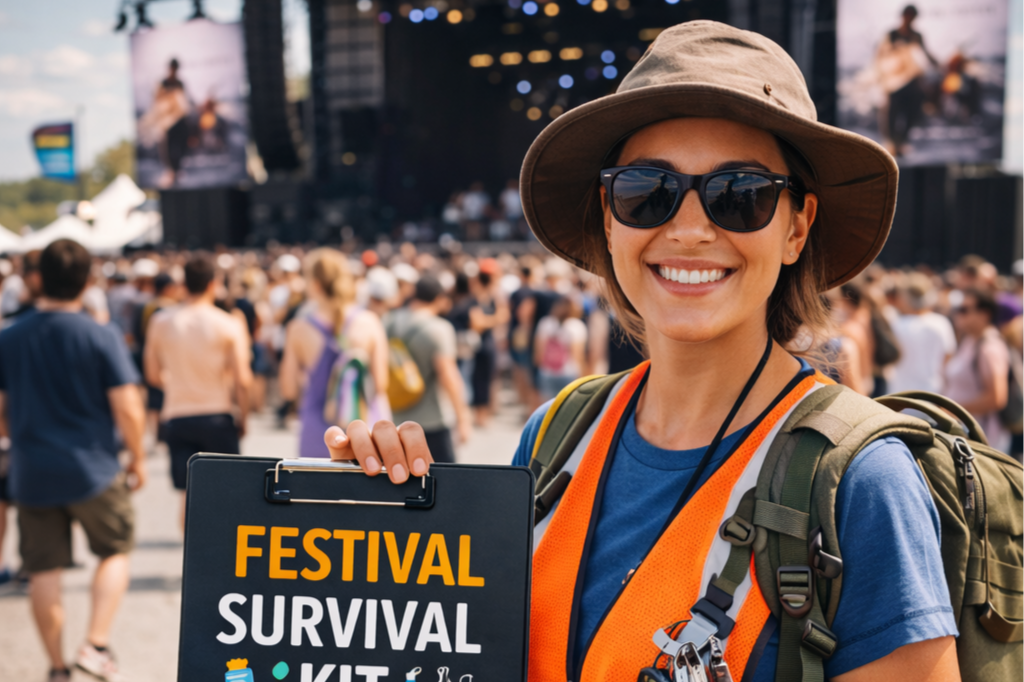
Your first festival staffing gig seemed like a great idea when you signed up. Get paid to be at a festival? Free access to music? Sounds amazing, right?
Then reality hits: it's 2 PM, you've been on your feet since 6 AM, you're sunburned despite applying sunscreen twice, your phone died an hour ago, your feet are screaming, and you still have six hours left on your shift. You're wondering if you made a terrible mistake.
Here's the truth nobody tells you: festival staffing can be one of the most rewarding (and lucrative) side hustles out there—but only if you know how to survive it. After working dozens of festivals from small local events to major multi-day music festivals, I've learned that the difference between veterans who work every weekend of festival season and newbies who quit after their first shift often comes down to preparation.
This is everything I wish someone had told me before my first festival shift.
The Essential Physical Survival Kit
Let's start with what you need to bring. This isn't a "nice to have" list—these are the items that separate people who make it through the weekend from people who tap out early.
The Non-Negotiables
1. The Right Shoes (This Cannot Be Emphasized Enough)
Your shoes will make or break your festival experience. Literally.
What works:
Broken-in trail runners or hiking shoes with good arch support
Quality work boots if you're doing setup/breakdown
Compression socks underneath (seriously, game-changer)
What doesn't work:
Brand new shoes (hello, blisters)
Fashion sneakers with no support
Anything flat or flimsy
"They'll be fine" sandals (they won't be fine)
Pro tip: Bring a backup pair of socks and swap them mid-shift. Fresh socks on tired feet feels like a miracle.
2. The Power Situation
Your phone is your lifeline. It's how you communicate with supervisors, check your schedule, navigate the festival grounds, and stay connected during emergencies.
The veteran approach:
20,000+ mAh portable charger (fully charged before your shift)
Your actual phone charging cable (don't rely on borrowing)
Small charging cable organizer so you're not untangling cords
Consider a phone armband or secure pocket—you're going to be moving a lot
Why this matters: Dead phone = can't get shift updates, can't clock in/out, can't coordinate with your team, can't call for help if needed.
3. Hydration System
You will sweat more than you think. Dehydration hits fast and hard.
The setup:
Large reusable water bottle (32 oz minimum)
Hydration pack if your role allows it (security, roaming positions)
Electrolyte packets or tablets (water alone isn't enough)
Insulated bottle if it's a hot weather festival
The mistake everyone makes: Thinking "I'll just drink when I'm thirsty." By the time you're thirsty, you're already dehydrated. Drink consistently throughout your shift.
4. Sun and Weather Protection
Weather at festivals is brutal and unpredictable.
Sun protection essentials:
Sport sunscreen (SPF 50+, sweat-resistant)
Sunscreen stick for face reapplication
Wide-brimmed hat or cap with neck flap
Sunglasses that actually stay on your face
Lip balm with SPF
Rain protection:
Compact rain jacket that fits in your bag
Waterproof phone case
Extra socks in a ziplock bag
Cold weather additions:
Layering pieces you can remove as needed
Hand warmers
Thermal underlayers
Pro tip: Reapply sunscreen every 2 hours, not just when you remember. Set a phone reminder. Sunburns on shift are miserable and will ruin the rest of your weekend.
5. Foot and Body Care
Blister prevention and treatment:
Blister prevention tape or moleskin (apply BEFORE blisters form)
Small blister care kit with bandages
Anti-chafe balm for thighs, underarms, anywhere skin rubs
Pain management:
Ibuprofen or your preferred pain reliever
Tiger Balm or similar for muscle aches
Small first aid kit with basics
Comfort items:
Body wipes or face wipes (portable showers)
Travel deodorant
Hand sanitizer
Small towel
6. Nutrition Strategy
Festival food is expensive and not always accessible when you need it.
What to pack:
Protein bars or energy bars (at least 3-4)
Trail mix or nuts
Jerky or protein snacks
Something with quick sugar (gummies, dried fruit) for energy crashes
Caffeine source if you rely on it (caffeine pills, energy shots, instant coffee packets)
The meal reality: You might get a staff meal. It might be good. It might also be a sad sandwich at 4 PM when you've been working since 7 AM. Pack accordingly.
7. The Bag That Holds It All
What works:
Small tactical backpack or crossbody bag
Clear bag if required (check festival policy)
Hip pack/fanny pack for minimal-carry roles
Something water-resistant
What doesn't work:
Anything too large that gets in your way
Bags without secure closures
Bags that aren't hands-free
The Complete Packing Checklist
Print this out and check items off before each festival:
Power:
[ ] Fully charged portable battery
[ ] Charging cables
[ ] Fully charged phone
Hydration & Nutrition:
[ ] Water bottle (filled)
[ ] Electrolyte packets
[ ] 4+ snacks/protein bars
[ ] Emergency caffeine
Sun & Weather:
[ ] Sunscreen (face and body)
[ ] Hat
[ ] Sunglasses
[ ] Rain jacket
[ ] Extra socks (in waterproof bag)
Foot & Body Care:
[ ] Broken-in supportive shoes
[ ] Compression socks
[ ] Blister prevention supplies
[ ] Pain relievers
[ ] Body wipes
[ ] Hand sanitizer
Documents & Essentials:
[ ] ID (required for most positions)
[ ] Staff credentials/wristband
[ ] Emergency contact info
[ ] Any required certifications
Optional But Helpful:
[ ] Small notepad and pen
[ ] Earplugs (if working near speakers)
[ ] Headlamp or small flashlight
[ ] Cash (small bills)
Energy Management: Surviving the Long Shift
A 12-hour festival shift is a marathon, not a sprint. Here's how to pace yourself.
The First Hour: Set Yourself Up for Success
What veterans do:
Arrive 15 minutes early to get settled and hydrated
Use the bathroom before shift starts (lines get worse)
Do a quick body check: shoes comfortable? Everything you need accessible?
Meet your shift supervisor and clarify expectations immediately
Scout your break area and bathroom locations
What newbies do wrong:
Show up exactly on time (or late) and start shift already flustered
Skip the pre-shift bathroom break
Don't clarify their role and spend the first hour confused
Hours 2-4: The Honeymoon Phase
This is when you still have energy. Use it wisely.
Don't:
Burn all your energy being overly enthusiastic
Skip your scheduled break because "you're fine"
Forget to drink water because you're busy
Do:
Establish a comfortable working rhythm
Start snacking even if you're not hungry yet
Note where the shade is for later when you'll need it
Hours 5-8: The Wall
This is when it gets hard. Most people hit a wall around hour 6.
Signs you're hitting the wall:
Feet start really hurting
Energy crashes
Getting irritable
Making small mistakes
How to push through:
Take your full break and actually sit down
Change your socks if you brought extras
Eat protein, not just sugar
Reapply sunscreen and drink electrolytes
Quick body reset: stretch your calves, roll your shoulders
The mental game: Break the remaining time into smaller chunks. Don't think "I have 6 more hours." Think "I have 2 more hours until my next break."
Hours 9-12: The Home Stretch
You're tired. Everyone's tired. Here's how to finish strong.
Physical strategies:
Switch positions if your role allows (sit if you've been standing, walk if you've been sitting)
Use any remaining snacks for energy boosts
Keep drinking water even if you don't feel like it
Mental strategies:
Focus on small wins (helped one more person, solved one more problem)
Connect with coworkers—shared suffering bonds people
Remind yourself why you're doing this (the paycheck, the experience, the story)
The final hour: This is when injuries happen because people get careless from exhaustion. Stay alert, especially during breakdown when there's heavy equipment moving.
Weather Survival Strategies
Festival weather is always more extreme than you expect.
Hot Weather Hell (90°F+)
The dangers: Heat exhaustion and heat stroke are real. Know the signs.
Early warning signs:
Excessive sweating that then stops (bad sign)
Dizziness or lightheadedness
Nausea
Headache
Rapid heartbeat
Survival tactics:
Drink water constantly, even if you're not thirsty
Seek shade during breaks
Wet a bandana and wear it around your neck
Pour water on your head and wrists to cool down
Pace yourself—you can't work at 100% in extreme heat
When to speak up: If you feel faint, dizzy, or stop sweating, tell your supervisor immediately. Heat stroke can kill.
Cold and Rain (Below 60°F or Wet)
The dangers: Hypothermia can happen even in moderate temperatures if you're wet.
Survival tactics:
Layer smart: base layer, insulation, waterproof outer
Keep your core warm—hands and feet being cold is uncomfortable, core being cold is dangerous
Change out of wet clothes ASAP during breaks
Keep moving when possible to generate body heat
Hot drinks if available
The mistake people make: Thinking "it's only 55 degrees, I'll be fine" and then getting soaked in rain while standing still for hours.
Wind
The underestimated hazard: Wind makes everything worse.
Wind + sun = faster dehydration
Wind + cold = dangerously cold windchill
Wind + rain = hypothermia risk
Wind = things flying around (secure loose items)
Protection:
Windbreaker layer
Secure your hat
Protect your eyes from dust and debris
Watch for unsecured tents, signs, or equipment
The Unwritten Rules Nobody Tells You
These are the cultural norms of festival staffing that you only learn through experience.
Rule #1: The Staff Hierarchy Is Real
The pecking order (generally):
Production/stage managers
Security supervisors
Veteran staff with specific skills
Regular returning staff
First-time general staff (you)
What this means:
Don't argue with people higher up unless it's a safety issue
Learn from veterans—they know shortcuts and tricks
Respect goes both ways, but you have to earn it first
If you prove yourself reliable, you'll get better shifts next time
Rule #2: Your Supervisor Is Your Best Friend or Worst Enemy
How to make them your friend:
Show up on time (early is better)
Don't complain constantly
Take initiative when appropriate
Ask clarifying questions once, then execute
Volunteer for the annoying tasks occasionally
How to make them your enemy:
Show up late with no communication
Argue about every instruction
Disappear without telling anyone
Be on your phone when you should be working
Create more work for them
Rule #3: Never Assume Your Break Will Happen On Time
Festival staffing breaks are "scheduled" but rarely happen exactly when planned.
The reality:
Crowds surge unexpectedly
Someone calls out and you're covering
There's an incident that requires all hands
The band runs over and everything shifts
How to handle it:
Don't schedule anything immediately after your shift
Snack proactively, don't wait for scheduled break
If your break gets delayed significantly, politely ask when it will happen
Never abandon your post without being properly relieved
Rule #4: Some Roles Suck More Than Others
Generally easier:
Merch sales (if indoors)
Ticketing/wristband check (if shaded)
Information booth
Generally harder:
Parking attendant (heat, car fumes, angry people)
Portable toilet attendant (self-explanatory)
Crowd control near main stage (noise, crush, chaos)
The veteran move: Work the hard roles early in your festival staffing career. Once you've proven you can handle the worst, you get offered better positions.
Rule #5: Festival Attendees Will Be Drunk, High, or Both
What this means for you:
Some people will be wonderful and hilarious
Some people will be aggressive or inappropriate
Some people will need medical help
Some people will be lost, confused, or emotional
How to handle it:
Don't take anything personally
Stay calm and professional
Know when to call for backup (security, medical)
Set boundaries firmly but kindly
Remember: you're being paid to deal with this, they're paying to be here
Rule #6: You'll Get Offered "Free" Things—Know What to Accept
Typically okay:
Water from vendors
Leftover food at end of shift
Promotional items vendors can't sell
Not okay:
Alcohol during your shift (even if offered)
Drugs (obviously, and could get you banned)
Expensive items that could be considered theft
Accepting bribes to let people in/bypass rules
When in doubt: Ask your supervisor. Getting caught taking something you shouldn't can end your festival staffing career immediately.
Rule #7: Document Everything
What to document:
Photos of your time card/punch-in
Screenshots of shift confirmations
Record of hours worked
Any incidents or issues
Promised pay rates
Why this matters: Payment disputes happen. Agencies sometimes mess up. Having documentation protects you.
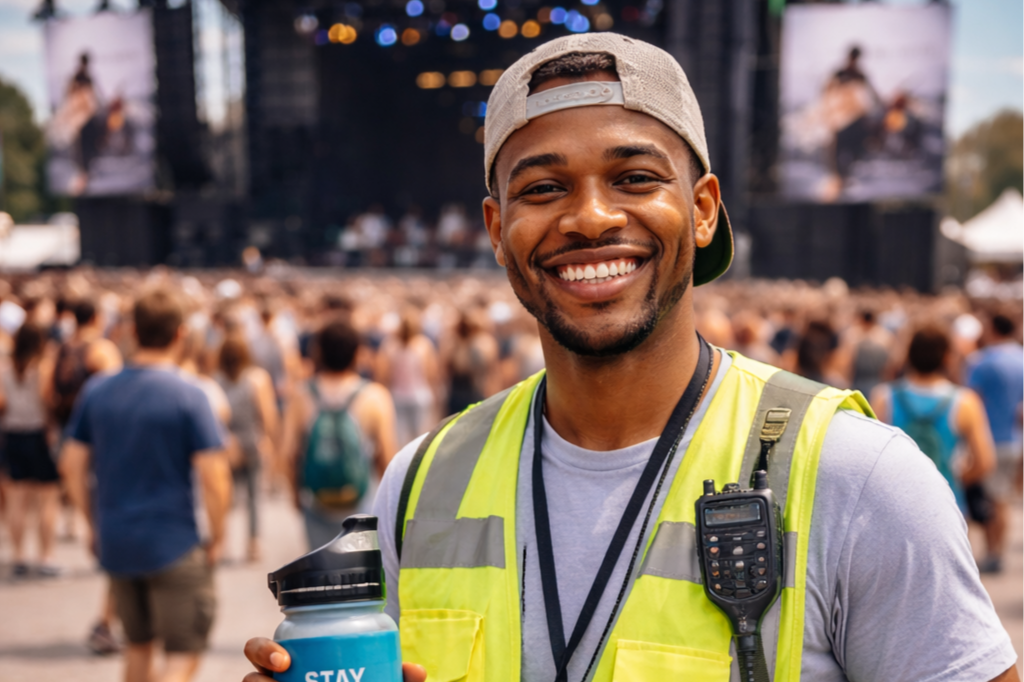
Building Your Festival Staffing Career
If you want to move beyond one-off gigs to steady festival income, here's what veterans know.
Making Yourself Invaluable
The traits that get you called back:
Reliability (show up, show up on time, show up sober)
Flexibility (willing to switch shifts, help where needed)
Problem-solving (handle issues independently)
Positive attitude (festivals are hard enough without negativity)
Skills (first aid, crowd management, specific technical skills)
The fastest way to never get called again:
No-showing without notice
Being drunk or high on shift
Causing drama with other staff
Refusing to do assigned tasks
Being rude to attendees
Networking Matters
Who to connect with:
Your direct supervisors
Other reliable staff members
Event company recruiters who show up
Vendors who work multiple festivals
How to network without being weird:
Ask questions about how they got started
Offer to help with something
Exchange contact info for future gigs
Ask if they work other events
LinkedIn connection after the festival
Specializing Pays More
General staff: $15-18/hour typically Specialized roles: $20-30/hour or more
Skills that pay better:
First aid/EMT certification
Crowd management certification
Technical skills (sound, lighting, stage)
Languages (especially at international festivals)
Forklift certification (for setup/breakdown)
The Festival Circuit Strategy
Once you're established, you can work festival season strategically:
Spring: Small local festivals, build relationships Summer: Major music festivals, maximize earning Fall: Food and cultural festivals, steady work Winter: Indoor events, holiday markets
The goal: Get on regular rotation with 2-3 good agencies so you have consistent work offers.
Red Flags: When to Walk Away
Not all festival staffing gigs are worth it.
Warning signs of bad agencies/events:
Vague about pay or "we'll pay you later"
No clear schedule or role description
Require you to pay for uniform/materials upfront
Promise "exposure" instead of actual payment
No breaks or unsafe working conditions
History of not paying staff (Google the company)
Your rights: Even as temporary event staff, you have labor rights. If something feels illegal or unsafe, it probably is.
The Real Talk: Is Festival Staffing Worth It?
The good:
Decent pay for entry-level work
Free access to entertainment
Meet interesting people
Flexible scheduling
Can become lucrative if you stick with it
Great stories
The challenging:
Physically demanding
Long hours
Weather exposure
Dealing with difficult people
Inconsistent scheduling
Usually no benefits
Who thrives:
College students with flexible schedules
People who love live events
Those who need weekend income
Extroverts who enjoy people
Anyone building event industry experience
Who struggles:
People with physical limitations
Those who need consistent income
People who prefer quiet, predictable work
Anyone who can't handle chaos
Your First Festival: Final Advice
The night before:
Pack your bag using the checklist
Charge everything that needs charging
Set multiple alarms
Get decent sleep
Eat a real meal
The morning of:
Eat breakfast even if you're nervous
Bring more water than you think you need
Arrive early
Expect chaos—it's normal
Remember everyone was new once
During your shift:
Ask questions when you don't know something
Watch what veterans do and copy them
Take care of your body
Stay hydrated
Keep your sense of humor
After your shift:
Stretch and hydrate before bed
Ice your feet if they're killing you
Write down what you learned
Note what you'd do differently
Decide if you want to do it again
The Veteran Secret
Here's what festival veterans know that makes all the difference: The first festival is always the hardest. Your body isn't used to it. You don't know the ropes. Everything feels overwhelming.
But by your third festival? You've got your system down. You know what to pack. You know how to pace yourself. You know the tricks to make it easier. And suddenly, what seemed impossible becomes not just doable, but enjoyable.
The veterans you see looking calm and collected while everyone else is melting down? They felt exactly like you do on their first shift. They just kept showing up and learned the hard way so you don't have to.
That's why this guide exists. Take what's useful, ignore what doesn't apply to you, and add your own discoveries to the list.
See you out there. Stay hydrated, pack snacks, and may your shifts be shaded and your supervisors be kind.
What's your festival survival tip that you learned the hard way? Drop it in the comments and help the next generation of festival staff!