From Retail Temp to Brand Representative: Career Path Tips
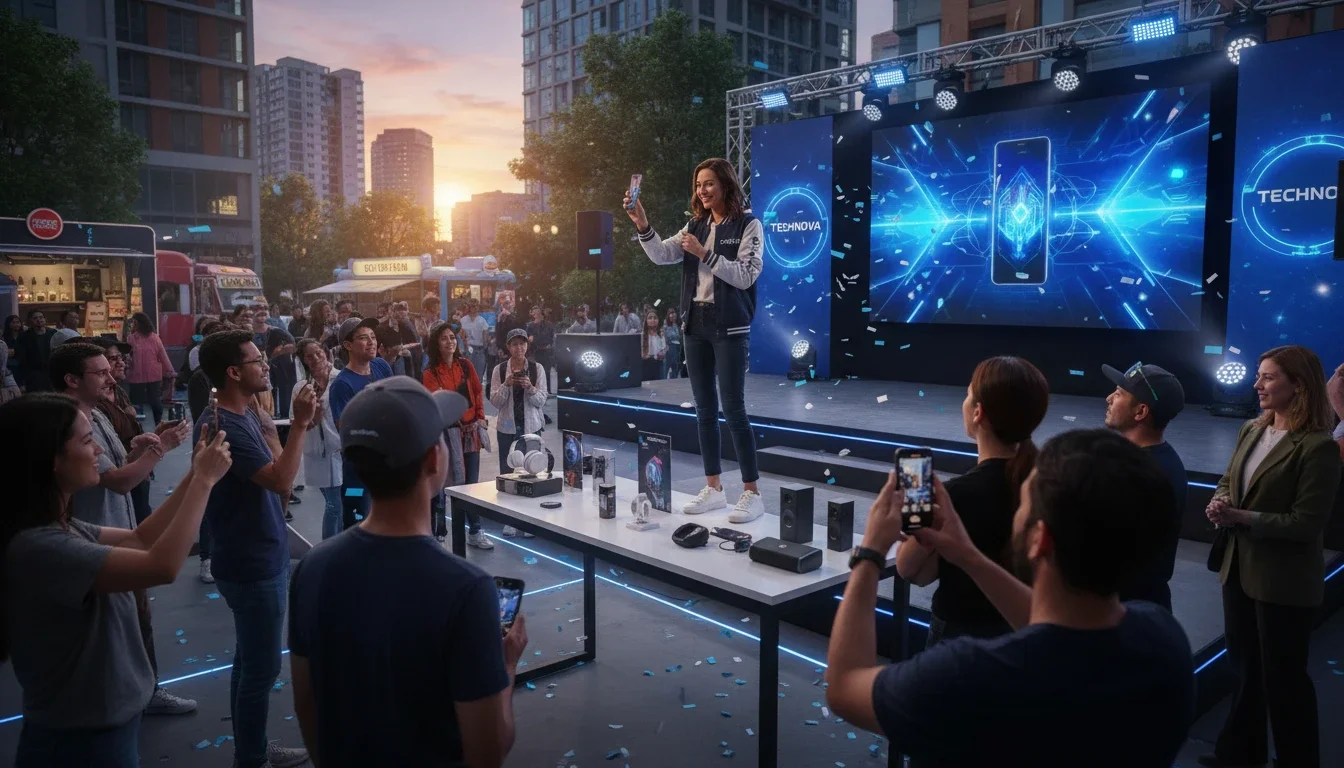
A brand ambassador engaging customers at a live product activation event
If you've spent any time working a retail temp shift, you already know more about brand representation than most job postings will ever acknowledge.
You've greeted strangers with confidence, explained products under pressure, and kept a smile on your face when the holiday rush hit its peak. Those are not low-level skills. Those are the exact behaviors that brands pay brand representatives to perform — just in a different setting.
The gap between retail temp work and a brand representative career is smaller than it looks. What's missing isn't ability — it's strategy.
This guide walks you through exactly how to bridge that gap: what skills to highlight, which pathways accelerate the process, and why working with an event staffing agency might be the smartest first move you haven't considered yet.
What's the Difference Between a Retail Temp and a Brand Representative?
Before you can leap, it helps to understand what you're moving toward — and how close you already are.
Retail Temp Role: What You're Already Doing
As a retail temp, your job is primarily transactional and store-focused. You support a location's staffing needs during peak seasons, launches, or coverage gaps. Your performance is measured in tasks: restocking shelves, running a register, assisting with floor traffic, and maintaining visual standards.
It's good work. But it's inward-facing — you serve the store's immediate operational needs.
Brand Representative Role: What the Job Actually Demands
A brand representative exists for a different purpose: to be the living face of a product or company in front of its target audience. The work shifts from operational to promotional.
Brand reps might staff a product launch event, work a trade show booth, run a pop-up sampling campaign, or represent a brand at a festival or retail activation. The goal isn't to complete transactions — it's to create impressions, answer questions authentically, and build emotional connections between consumers and a brand.
Crucially, brand representatives are often hired through promotional staffing agencies or by marketing departments, not through traditional retail HR pipelines. That changes how you need to position yourself.
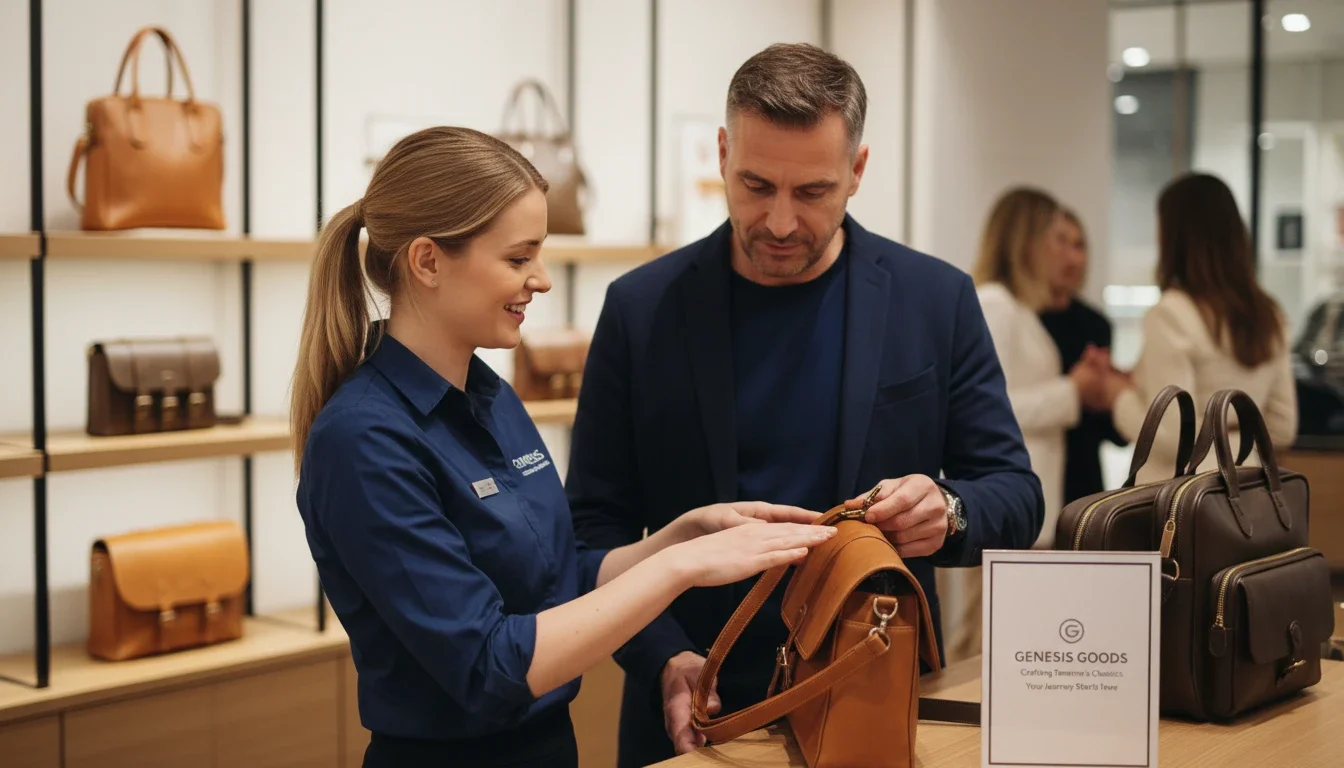
Retail associate helping a customer — the customer service foundation that transfers directly to brand representative work
Why Retail Experience Is a Stronger Foundation Than You Think
The job boards will tell you that brand representative roles require a bachelor's degree in marketing or communications. That's partially true for corporate brand management positions. But for the field-based, activation-level brand rep work that agencies and marketing firms actually hire for? Your retail experience is legitimately valuable.
The Customer Interaction Advantage
Retail temps develop something that can't easily be taught in a classroom: comfort with strangers. You've spent shifts approaching customers cold, reading body language, and adjusting your communication style on the fly. Brand representatives do the same thing at events and activations, just with a specific product story to tell.
The ability to hold a warm, confident, two-minute conversation with someone you've never met is the core competency of event-based brand representation. You already have it.
Product Knowledge Translates Directly
Working retail — even temporarily — forces you to learn product details quickly and communicate them simply. Whether you were explaining the difference between two mattress models or helping someone choose the right shoe size, you practiced the art of translating product specs into consumer benefits. That skill is the foundation of effective brand representation.
You Already Understand Retail Brand Standards
Brand representatives working in retail environments or at brand-adjacent events need to uphold visual and behavioral standards that reflect the company's identity. If you've maintained a planogram, followed a dress code, or been trained on a specific brand's customer service approach, you've already lived inside brand standards. Most brand reps coming from outside retail haven't.
The Skills You Need to Level Up
Retail experience gives you raw material. To become a competitive brand representative candidate, you need to refine it into a set of skills that hiring managers — and staffing agencies — are specifically evaluating.
Communication & Storytelling
Brand representatives don't just answer questions — they tell product stories. Practice articulating the 'why' behind a product in two or three sentences. Work on explaining features through benefits, not specs. If you can explain why a product matters to the person in front of you, you're doing brand representation.
Brand Literacy & Product Passion
The best brand reps are genuinely enthusiastic about what they represent. Before applying to any role, research the brand thoroughly. Understand their target consumer, their competitors, their values, and their recent campaigns. Bring that knowledge into every conversation — in interviews, in applications, and on the event floor.
Adaptability in Fast-Moving Environments
Live events are unpredictable. Schedules shift, spaces change, crowds behave unexpectedly. Brand reps who thrive are the ones who stay composed, pivot quickly, and maintain the brand experience regardless of what's happening around them. Your retail temp experience — which often meant adapting to new stores, new teams, and new systems week to week — is direct preparation for this.
Professional Presentation
Brand representation is a visible role. How you present yourself physically, verbally, and energetically matters. Invest in a professional headshot, practice your on-camera presence (many brands now require event staff to appear in social content), and develop a consistent, polished personal style that works across event types.
Step-by-Step: How to Make the Career Transition
Here's the practical path from retail temp work to a brand representative career. Each step builds on the last.
Step 1 — Audit Your Transferable Skills
Write down every task you've completed in retail settings — even basic ones. Restocking displays is visual merchandising. Running a register under pressure is transaction management. Greeting customers at the entrance is hospitality. Reframe each task through the lens of brand representation. You'll find more overlap than you expect.
Step 2 — Build Your Brand Portfolio
Brand representatives are evaluated on their ability to represent a product authentically. Start building evidence of that ability. Document activations or retail events you've worked on. Take quality photos at events and branded environments (with permission). Create a simple digital portfolio — even a clean Instagram profile or Google Doc — that shows how you've engaged consumers on behalf of a brand.
Step 3 — Get Paid Experience Through Event Staffing Agencies
This is the step most guides miss entirely — and it may be the most valuable one.
Event staffing agencies place candidates in exactly the kinds of brand-facing roles that build direct brand representative experience. You might work a trade show booth for a tech company, staff a product sampling event for a beverage brand, or represent a fashion label at a pop-up activation. Each assignment adds a real brand to your resume and puts you in the same rooms as the marketing managers who hire brand reps full-time.
Agencies like Eleven8 Event Staff operate nationally across every major market and specifically place qualified candidates in brand ambassador, promotional, and event staff roles for brands including Nike, Netflix, and Porsche. Working a single high-profile activation gives you more credible experience than months of retail floor work when it comes to landing a brand rep position.
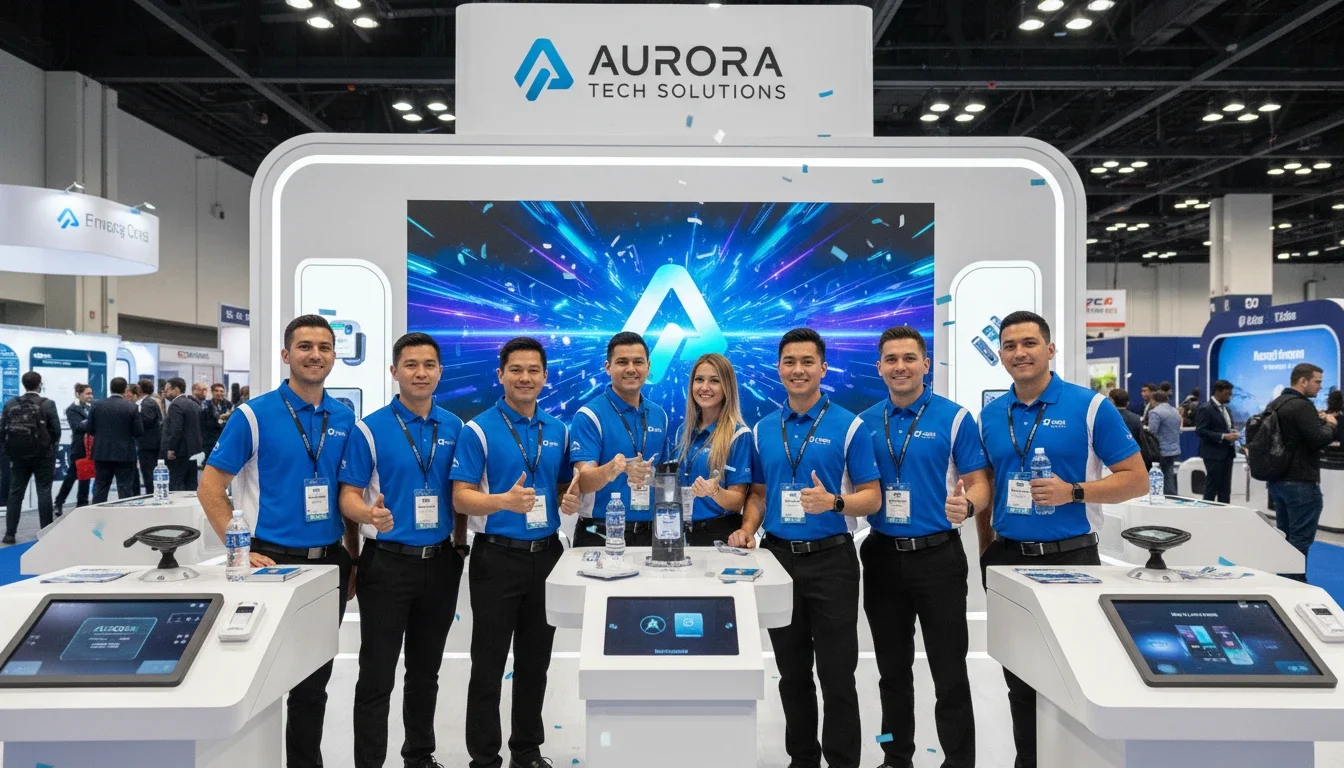
Event staffing team representing a brand at a trade show booth activation
Step 4 — Network Within Brand Activation Circles
The brand ambassador and event staffing industry run on relationships. After every shift or event, connect with the account managers, brand leads, and fellow staff members you worked alongside. LinkedIn is the primary platform for this — send connection requests the same day you meet someone, and personalize the message with a reference to the specific event.
Many brand rep positions are filled through internal referrals before they're ever posted publicly. Being the person an account manager thinks of first when a premium position opens up is more valuable than any resume keyword.
Step 5 — Apply Strategically and Tell a Career Story
When you apply for brand representative roles — whether directly with brands or through staffing agencies — your application needs to tell a coherent career story. Don't list your retail temp work as a series of disconnected gigs. Frame it as a progression: you built customer engagement skills, product knowledge, and brand awareness across multiple environments, and now you're ready to apply that directly in a dedicated brand representative capacity.
Tailor every application to the specific brand. Mention their products by name, reference their campaigns, and explain why their audience is one you're positioned to engage effectively.
The Fast-Track Route: Event Staffing as a Career On-Ramp
Let's expand on the agency pathway, because it's genuinely the most overlooked and most effective route for retail temp workers transitioning into brand representation.
What Brand Representatives Actually Do at Live Events
At a trade show, brand representatives manage booth traffic, deliver product demonstrations, capture leads, and engage attendees in conversations that create positive brand associations. At a pop-up activation, they distribute samples, answer product questions, and gather consumer feedback. At a product launch, they embody the brand experience — from their appearance and energy to the specific talking points they've been briefed on.
These are skills developed through practice, not certification. Every event staffing assignment builds them directly.
Why Agencies Like Eleven8 Are the Best Starting Point
When you join an event staffing agency roster, you gain access to a pipeline of paid, real-world brand experience that would otherwise take years to build independently. You work for name brands. You get briefed on brand standards before each assignment. You're evaluated on your performance, which creates a track record — exactly the kind of verifiable experience that makes a brand representative application compelling.
Eleven8 Event Staff accepts only the top 3.5% of applicants and puts every staff member through an 11-step event process before placement. That selective standard means that being on the Eleven8 roster itself carries credibility when you later apply for full-time brand representative roles. Brands recognize quality staffing agencies — and they know that Eleven8 talent has been through a genuine vetting process.
From Event Staff to Brand Rep: Real Career Outcomes
Event staffing is not a dead end — it's a door. Production assistants become producers. Brand ambassadors become brand managers. Retail staff at pop-up activations get hired directly by the brands they represent. The event and experiential marketing industry is full of people who started in temporary staffing roles and now run marketing teams, agency accounts, or their own activation firms.
Working consistent agency assignments, maintaining a strong performance record, and actively networking within the industry turns event staffing from a side gig into a genuine career launchpad.
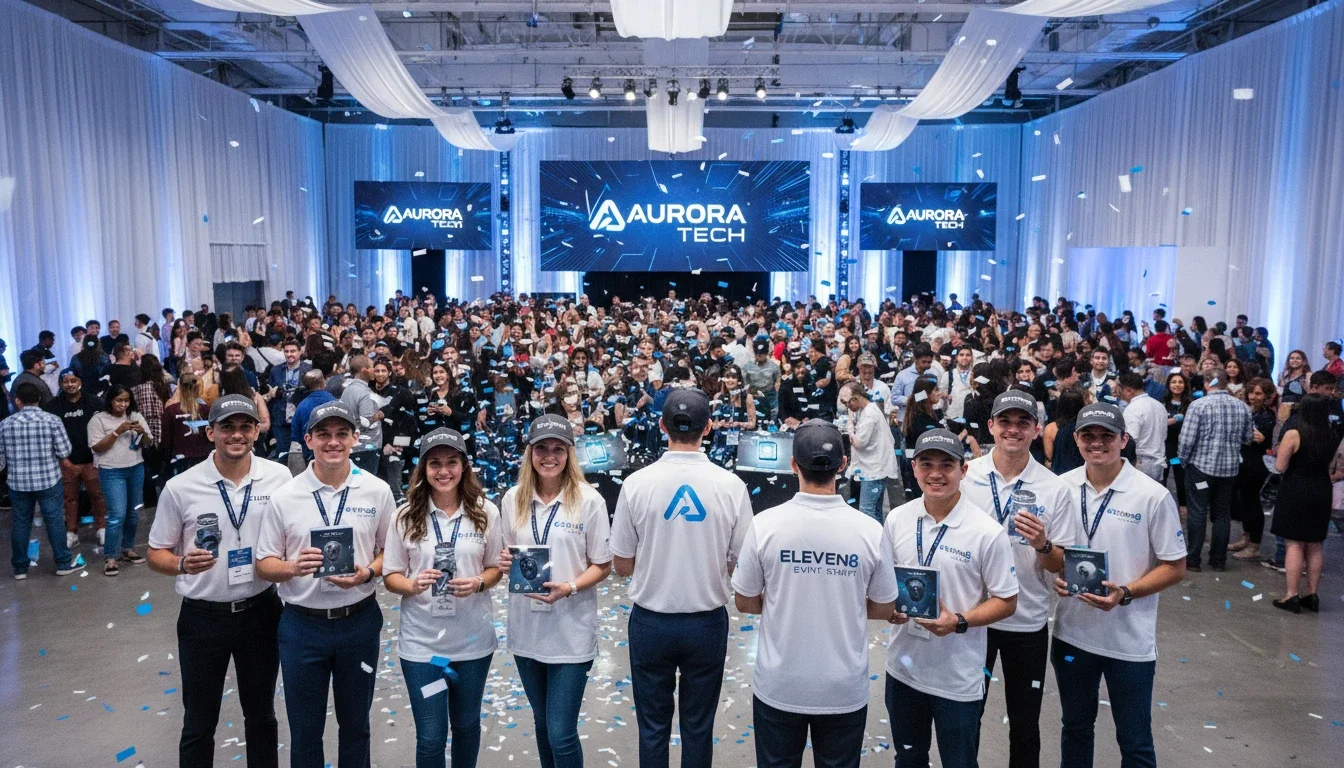
Eleven8 Event Staff brand ambassadors representing a national brand at a product launch
Common Mistakes That Hold Retail Workers Back
The transition from retail temp to brand representative is achievable — but specific missteps slow it down or close doors unnecessarily.
Underselling Customer Service as a Hard Skill
Many retail workers list 'customer service' on their resume as if it were a checkbox, without elaborating on what it actually involves. Volume, environment, and variety matter. 'Assisted 200+ daily customers across 12 product categories in a high-traffic retail environment' tells a very different story than 'provided customer service.' Quantify your experience and contextualize it within brand-facing work.
Skipping the Portfolio Step
Brand representative hiring is increasingly visual. Employers and agencies want to see how you present yourself in event and activation settings — not just read about it. Without a portfolio or digital footprint that shows you in action, you're competing on words alone. Even a small collection of high-quality photos from activations you've worked can meaningfully separate your application from the competition.
Only Applying to Full-Time Brand Rep Roles
Full-time brand representative positions, especially with major brands, are competitive and often require demonstrated event marketing experience. Limiting yourself to those applications while avoiding the agency pathway is like trying to become a professional athlete without ever playing on a team. Staffing agencies, freelance activations, and temporary brand rep gigs build the experience that makes full-time applications competitive.
What to Expect as a New Brand Representative
Once you land your first brand rep role — whether through an agency or direct hire — here's a realistic picture of what the work involves.
Day-to-Day Responsibilities
Depending on the brand and format, your day as a brand representative might include:
Arriving early to set up branded display materials or booth infrastructure
Attending a pre-event brand briefing to align on talking points, target audience, and goals
Engaging event attendees in product conversations, demonstrations, or sampling experiences
Collecting consumer feedback or lead capture data
Maintaining the brand environment's visual and experiential standards throughout the day
Breaking down the setup and completing a post-shift performance debrief
Most event-based brand representative roles run in shifts, making them genuinely compatible with other employment while you build your portfolio.
Pay Scale: What Brand Reps Actually Earn
Pay varies significantly by brand tier, event type, market, and whether you're working through an agency or directly. Entry-level brand ambassador and promotional staff roles typically range from $18–$28 per hour in major markets. Senior and lead brand representative positions can command $30–$50 per hour, particularly for technical product demonstrations or high-profile national activations. Full-time corporate brand representative salaries average in the $35,000–$55,000 range annually, with the potential for commission depending on the role's sales component.
Where the Role Can Take You Long-Term
Brand representative work is a genuine starting point for a career in experiential marketing, brand management, or event production. Consistent high performance opens doors to:
Senior or lead brand ambassador roles
Brand activation account management
Event coordination and production
In-house brand team positions with companies you've represented
Agency staffing coordinator or recruiter roles
Independent contractor status representing multiple brands simultaneously
The experiential marketing industry continues to grow as brands invest more heavily in live consumer engagement. Career opportunities for proven brand representatives are expanding — and the supply of candidates with real, demonstrated experience still lags behind demand.
The move from retail temp to brand representative is not a leap — it's a step, taken strategically. The skills are already there. The pathway is clearer than most people realize. The question is whether you're willing to take it.