How to Plan an Event in Charleston: Venues, Vendors, and Staffing Essentials
Charleston, South Carolina, isn't just a beautiful place to visit — it's one of the most sought-after event destinations in the country. From candlelit dinners in antebellum mansions to waterfront corporate receptions along the Ashley River, the Holy City offers an unmatched combination of historic character, Southern hospitality, and world-class infrastructure for events of every size and type.
But planning an event here comes with its own learning curve. Venues book out fast. Vendor rosters fill up months in advance. And in a city where first impressions carry serious weight, the quality of your staff and execution can define whether guests leave raving or disappointed.
This guide covers everything you need to plan a successful event in Charleston — the right venues, trusted vendor categories, staffing essentials, and a practical timeline to keep it all on track.
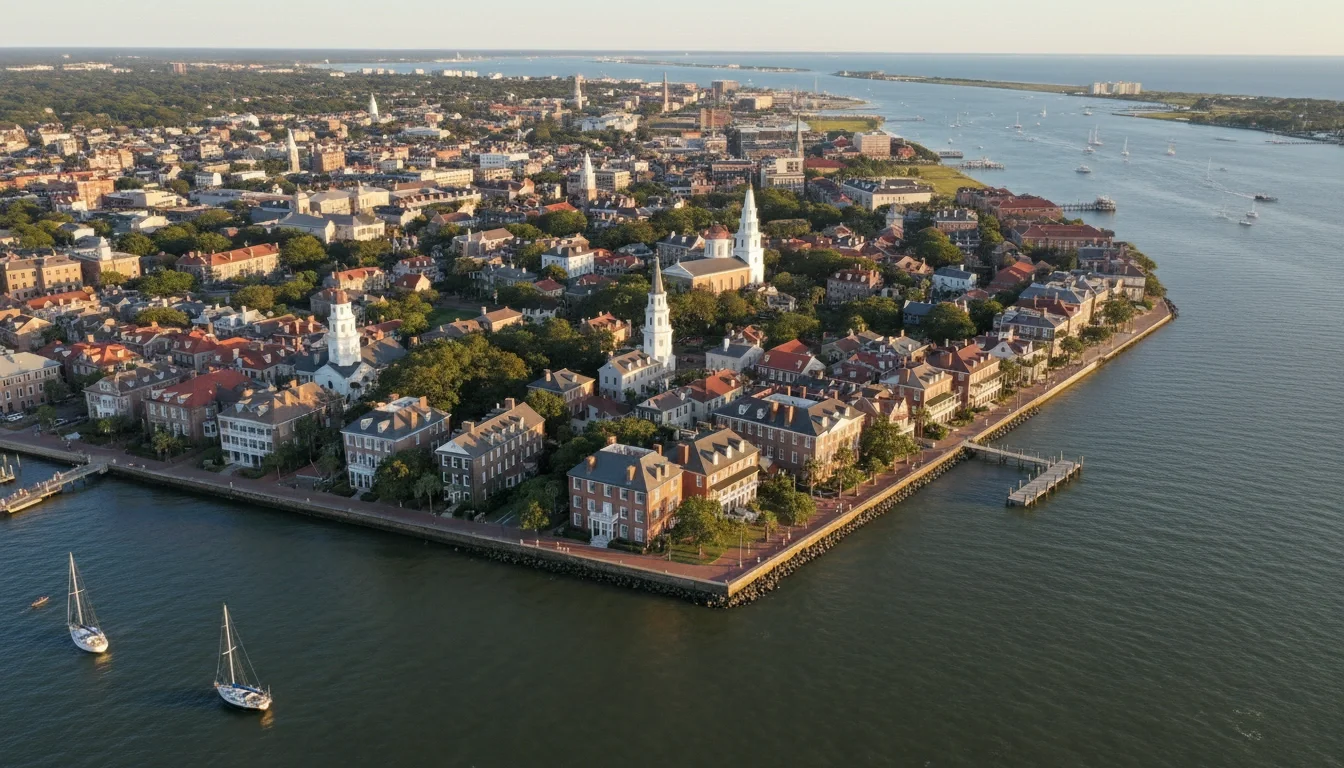
Aerial view of historic downtown Charleston SC with church steeples and waterfront views
Why Charleston Is One of America's Top Event Destinations
The Lowcountry Advantage
Few cities in America offer what Charleston does: centuries of preserved architecture, a thriving culinary scene, warm Southern hospitality, and genuine charm that guests genuinely feel the moment they arrive. It's a city where history is built into the landscape — Spanish moss draped over 200-year-old oaks, cobblestone streets, antebellum estates, and harbor views that photograph beautifully at any hour.
For event planners, this translates into a city where the backdrop does a lot of the heavy lifting. Even a basic corporate reception takes on an elevated quality when it's held in a candlelit historic venue steps from the Battery.
Beyond aesthetics, Charleston has a mature event infrastructure: a strong network of experienced vendors, established catering operations, reliable A/V companies, and a growing number of premium staffing resources to support everything from intimate social gatherings to large-scale conferences and brand activations.
Peak Season and Weather Considerations
Spring (March through May) and fall (September through November) are Charleston's most popular event seasons — and for good reason. The weather is mild, the city is vibrant, and outdoor venues are at their best. If you're planning during these windows, expect popular venues to be booked 12 to 18 months out.
Summer events are absolutely doable but require planning for heat and humidity, especially for outdoor elements. Tented events and venues with strong climate control are essential. Hurricane season (June through November) adds a layer of weather contingency planning for anything outdoors.
Winter months offer more venue availability and potentially better pricing, and Charleston's mild winters make the off-season genuinely attractive for corporate planners looking to stretch their budget.
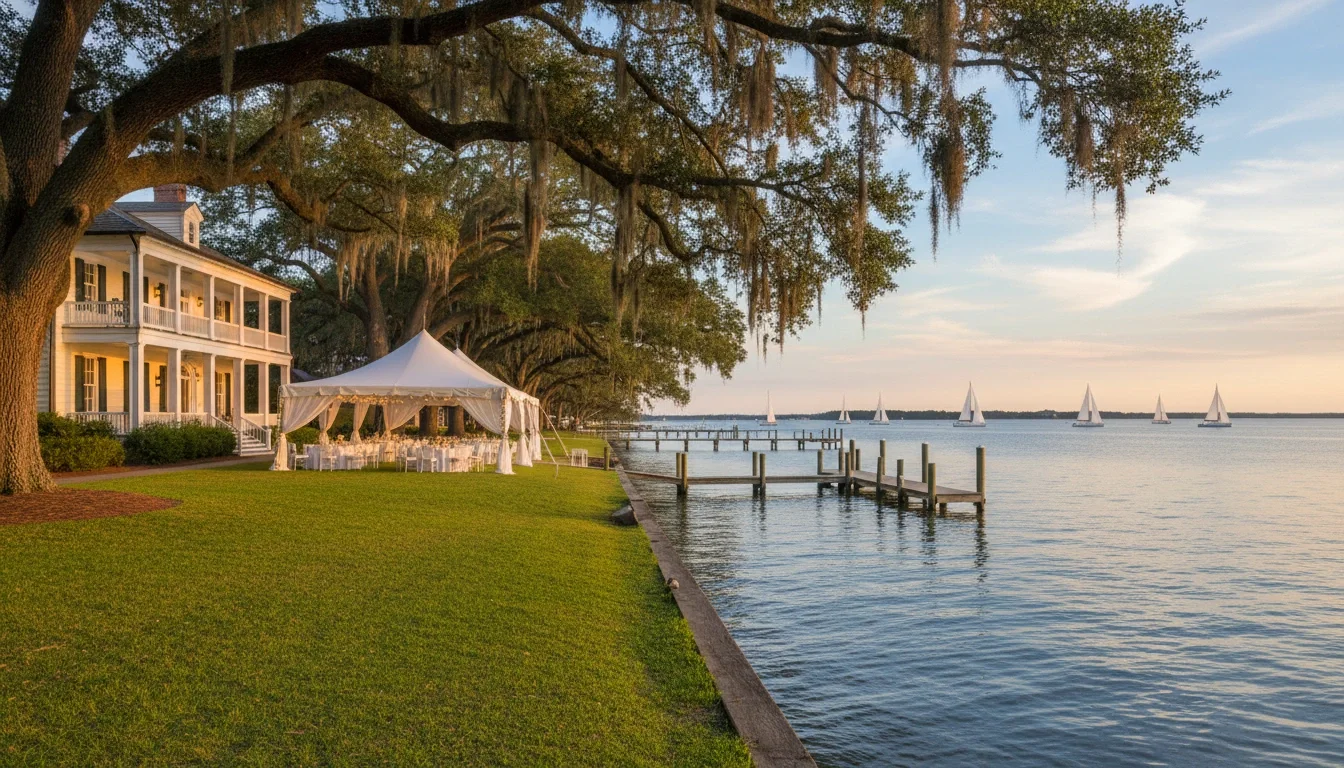
Lowndes Grove waterfront estate on the Ashley River — one of Charleston's most acclaimed event venues
Choosing the Right Charleston Event Venue
Venue selection shapes everything — the vendor list, the logistics, the guest experience, and the overall feel of the event. Charleston's venue market is one of its strongest assets, offering genuine variety across style, capacity, and setting.
Historic Downtown Venues
Downtown Charleston is dense with historic properties that have been thoughtfully converted into event spaces while preserving their original character. A few standouts:
William Aiken House — A National Historic Landmark on Upper King Street, this 1807 estate features sweeping ballrooms, private grounds, and open-air piazzas. One of the city's most in-demand venues for weddings and upscale corporate events. Managed by Patrick Properties Hospitality Group (PPHG).
The Gadsden House — A beautifully restored property in the heart of downtown with grand parlor rooms, original heart pine floors, crystal chandeliers, and lush courtyard gardens. Suitable for ceremonies, receptions, rehearsal dinners, and corporate gatherings.
Governor Thomas Bennett House (circa 1825) — One of Charleston's grandest historic homes, featuring walled gardens, a pineapple fountain, and a signature crescent garden. Accommodates up to 230 guests for seated receptions.
Cedar Room at the Cigar Factory — An 8,000-square-foot industrial-chic space inside the historic 1881 Cigar Factory building, with original brick walls, hardwood floors, and floor-to-ceiling windows overlooking the Arthur Ravenel Jr. Bridge. Ideal for larger events up to 500 guests.
Waterfront and Plantation Venues
Charleston's waterways and surrounding Lowcountry landscape create some of the most dramatic event settings available anywhere.
Lowndes Grove — Repeatedly voted Charleston's best wedding venue, this beautifully restored 1786-era estate sits on the banks of the Ashley River. Panoramic sunsets, grand lawns, and bluestone terraces make it one of the city's most versatile properties for both weddings and corporate receptions.
Magnolia Plantation — Set within 170 acres, often described as home to one of the world's most beautiful gardens. A stunning backdrop for outdoor ceremonies and receptions up to 500 guests.
Harborside East at Patriots Point — A waterfront venue with striking views of the Charleston skyline and harbor, ideal for elegant corporate receptions and milestone celebrations.
Island House on the Stono River — A private island venue offering 180-degree river views and a true Lowcountry atmosphere for intimate to mid-size events.
Modern Hotel and Conference Venues
For corporate meetings, conferences, and events that require extensive A/V infrastructure and hotel accommodations, Charleston's hotel properties have matured significantly.
Hotel Bennett — Situated on Marion Square in the heart of downtown, Hotel Bennett offers over 12,000 square feet of meeting space, including a Crown Ballroom with 30-foot ceilings. Excellent for large-scale corporate events and galas.
Charleston Marriott — Overlooking the Ashley River with easy access to downtown, this property offers versatile ballroom and conference space with full event services.
Emeline Hotel — A boutique property in the heart of the historic district, well-suited for smaller corporate gatherings and private celebrations.
Charleston Music Hall — A 965-seat historic theater on Upper King Street that works equally well for corporate functions, concerts, and special events.
Unique and Non-Traditional Spaces
Charleston rewards planners who look beyond the obvious. Some of the city's most memorable events happen in non-traditional spaces:
Harbour Club — A private social club offering city skyline and marina views from above, perfect for cocktail receptions and gala dinners.
American Theater — An art deco-inspired landmark on Upper King Street with a flexible multi-purpose space for up to 675 guests. Notable as a filming location for The Notebook.
Cannon Green — A 19th-century Charleston Single House with a lush garden courtyard and intimate indoor spaces, beloved for smaller-scale events with serious character.
Aboard a Yacht — Several Charleston Harbor cruise options, including the Carolina Girl, offer unique waterfront event experiences for 50 to 150 guests.
Key Questions to Ask Before Booking
Before signing a venue contract, make sure you have clear answers to these:
What is included in the venue rental fee, and what is extra?
Are there preferred or required vendor lists, and what's the policy on outside vendors?
What are the noise ordinance rules? (Many Charleston venues have 10:00–10:30 PM music cutoffs.)
Is parking available on-site, and if not, what's the plan for guest transportation?
Does the venue require licensed event planners or coordinators?
What are the rain or inclement weather contingencies for outdoor spaces?
What is the cancellation or rescheduling policy?
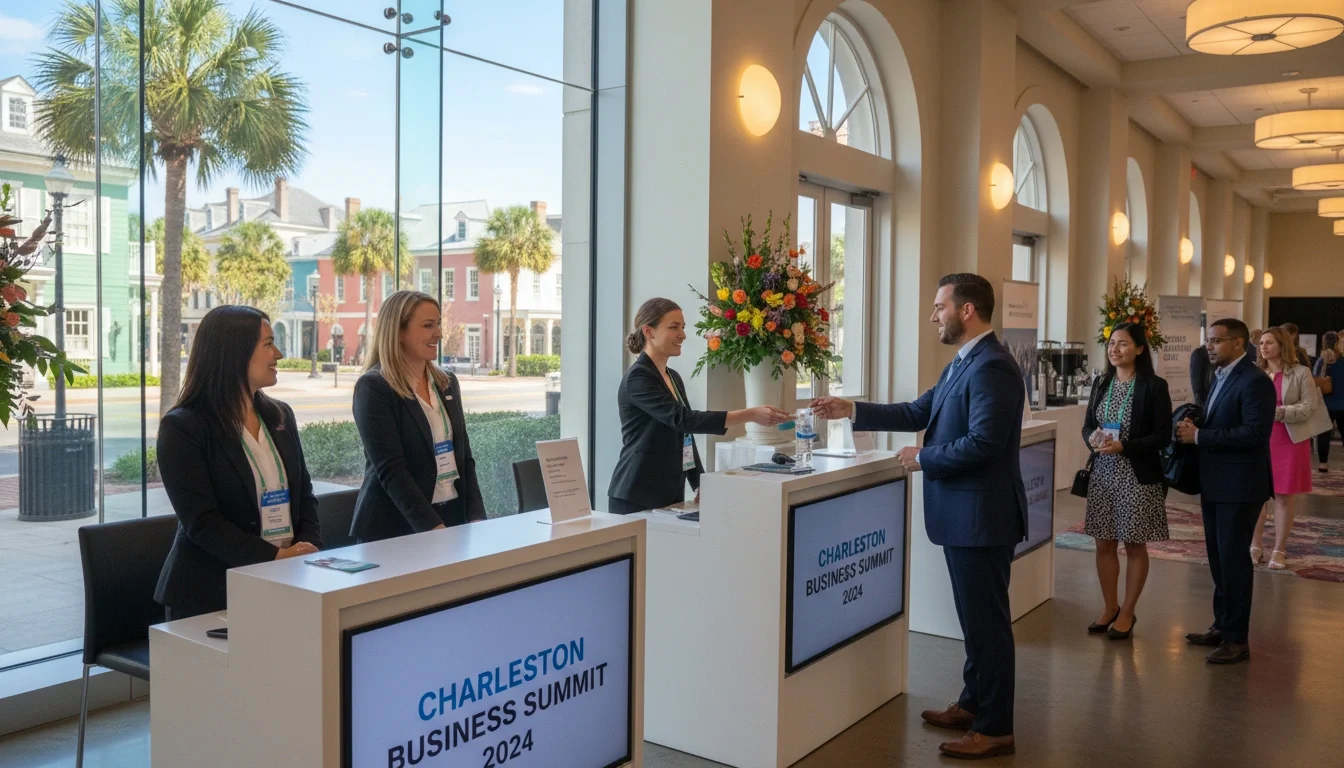
Professional event registration staff greeting guests at a corporate conference in Charleston
Building Your Vendor Team in Charleston
Charleston has a well-developed vendor ecosystem across all event categories. Booking early — especially for peak spring and fall dates — is critical. Here's a category-by-category breakdown of what to look for.
Catering and Food & Beverage
Charleston's culinary identity is one of its defining assets. Lowcountry cuisine — shrimp and grits, she-crab soup, boiled peanuts, fresh seafood — has become a genuine point of pride and something guests from outside the region appreciate deeply.
Key considerations when selecting a caterer:
Verify that the caterer has experience at your specific venue — many venues have preferred vendor lists or exclusive catering partners (PPHG venues, for example, manage food and beverage in-house)
Ask about their staffing model: do they provide their own servers and bartenders, or will you need to supplement?
Request references from events of similar scale and type
Schedule a tasting session before committing
Confirm they carry general liability insurance and appropriate food handler certifications
Typical catering cost range in Charleston: $65–$150+ per person, depending on service style, menu complexity, and staffing included.
Duvall Events — Charleston's oldest catering company with over 40 years in the market — maintains exclusive relationships with several of the city's premier venues and is a trusted resource for full-service catering.
Floral and Décor
Charleston's natural palette — Spanish moss, magnolia, palmetto, and marsh grass — provides event designers with incredible organic material to work with. The region's florists are experienced in designing around both outdoor Lowcountry settings and formal historic interiors.
When evaluating floral and décor vendors:
Review their portfolio for work done at similar venues
Confirm they handle installation and breakdown (not just delivery)
Clarify what happens to florals after the event
Ask about lead times for sourcing unusual or out-of-season flowers
Audio/Visual and Lighting
Lighting can transform a historic Charleston venue from beautiful to breathtaking. Uplighting on original brick walls, pin spots on centerpieces, and warm bistro string lights in garden settings are among the most popular techniques in the local market.
For corporate events with presentations, panels, or live streams, ensure your A/V vendor has experience in your specific venue — some historic spaces have unusual acoustics or limited power infrastructure that requires specialized equipment.
Photography and Videography
Charleston's natural and architectural beauty means photographers who know the city — the golden hour spots, the hidden garden corners, the best angles on the harbor — will produce work that generic photographers simply cannot. Prioritize vendors with a genuine portfolio of Charleston work.
Entertainment and Music
Local live music is part of Charleston's cultural DNA. From jazz quartets perfect for cocktail receptions to high-energy bands for wedding receptions, the local talent pool is exceptional. Note that most outdoor venues and many downtown properties have noise ordinances in effect, typically requiring amplified music to end between 10:00 and 10:30 PM.
Transportation and Logistics
For events at venues with limited parking — which includes most downtown and historic properties — guest transportation planning is essential. Shuttles from nearby hotel blocks, valet services, and coordinated rideshare drop-off/pickup are all standard solutions. Build this into your vendor budget early.
Event Staffing in Charleston: What You Need to Know
Venues and catering get most of the pre-event attention. But the people working your event — greeting guests, managing registration, serving food and drinks, representing your brand — are often what guests remember most. Great venues with poor staffing feel disorganized. Well-staffed events at modest venues can still feel polished and professional.
Why Professional Event Staff Makes or Breaks Your Event
The difference between trained professional event staff and last-minute hires is felt by guests within the first five minutes. Professional staff arrive prepared, dressed appropriately, knowledgeable about the event flow, and equipped to handle the inevitable surprises that arise.
Poor staffing shows up as: long registration lines, guests unable to find seats, slow bar service, unattended food stations, and a general sense that the event is understaffed or unprepared. These are entirely preventable problems.
For Charleston events specifically — where venues often carry historic character and premium expectations — the caliber of your staff should match the caliber of the setting.
Types of Event Staff You May Need
The right staff mix depends entirely on your event type. Here's a category breakdown:
Bartenders: Essential for any event with a bar program. Professional bartenders manage bar setup, drink service, and responsible alcohol service (TIPS/RBS certified). For higher-volume events, bar backs should be included to keep the bar stocked and running smoothly.
Catering Staff / Servers: Trained catering staff handle food service — whether butler-style passed appetizers, plated dinner service, or buffet management. They also handle table bussing, replenishment, and post-service breakdown.
Registration and Check-In Staff: Check-in staff manage guest arrival, badge distribution, credential verification, and guest list management. For conferences and corporate events, this is the first impression guests receive — it should be handled by organized, personable professionals.
Brand Ambassadors: For brand activations, product launches, trade shows, and experiential marketing events, brand ambassadors are trained to represent your brand, engage attendees, and drive awareness or trial. They're distinct from general event staff — the best brand ambassadors are outgoing, articulate, and briefed specifically on your product or message.
Trade Show and Conference Staff: Trade show staff and conference staff provide booth support, lead capture assistance, session management, and expo floor navigation. For Charleston's growing convention and conference market, these roles are increasingly in demand.
Production Assistants: Production assistants are the logistics backbone of larger events — managing load-in and load-out, coordinating vendor movement, running errands, and supporting the event production team in real time.
Greeters, Ushers, and Hosts: These roles shape the guest experience at arrival and throughout the event. Warm, well-presented greeters set the tone immediately. Ushers guide guests to the correct areas and manage seating. Hosts and hostesses provide hospitality support throughout.
How Many Staff Do You Need? Ratios and Guidelines
One of the most common questions event planners ask is how to calculate staffing needs. Here are general industry guidelines, though your specific venue layout, service style, and event flow may require adjustments:
Food and Beverage:
Plated dinner service: 1 server per 8–10 guests
Buffet service: 1 server per 25–30 guests
Cocktail/passed appetizers: 1 server per 25 guests
Bar service (full bar): 1 bartender per 50 guests
Bar service (beer/wine only): 1 bartender per 75 guests
Bar backs: 1 per every 2 bartenders at high-volume events
Event Management:
Registration staff: 1 per 50–75 expected arrivals per hour (surge capacity)
Ushers: 1 per 100 guests for theater or seated events
Greeters: 1–2 at each primary entrance point
Tip: Always build in a buffer — 10–15% additional staffing capacity for larger events. A reputable event staffing agency will include backup coverage in your agreement so you're not scrambling if someone doesn't show.
Vetting and Hiring Event Staff in Charleston
If you're hiring staff independently, the vetting process matters enormously. At a minimum, look for:
Verifiable prior event experience (not just hospitality experience)
Professional references from event planners or venues
Background check clearance
Food handler or TIPS/RBS certification for F&B roles
A clear onboarding process — staff should receive an event brief, dress code, and schedule in advance
For one-off events, independent hiring is manageable. For recurring events, large activations, or situations where professionalism is non-negotiable, working with an established agency removes the risk and administrative burden.
Working With a Professional Event Staffing Agency
The Charleston event market has grown significantly, and with it, the demand for reliable professional staffing support. A quality agency handles vetting, training, scheduling, backup coverage, insurance, and day-of management — none of which falls on your plate.
When evaluating staffing agencies, ask:
What is your applicant acceptance rate? (A lower rate signals stricter standards)
Do you carry workers' compensation and general liability insurance?
What's your process when a staff member can't make it on the day of?
Do you provide a dedicated account manager?
Can I review staff profiles before confirming my team?
Eleven8 Event Staff brings a national-caliber staffing operation to the Charleston market — accepting only the top 3.5% of applicants, maintaining dedicated account managers for every booking, and guaranteeing built-in backup coverage so events run at full strength regardless of last-minute changes.
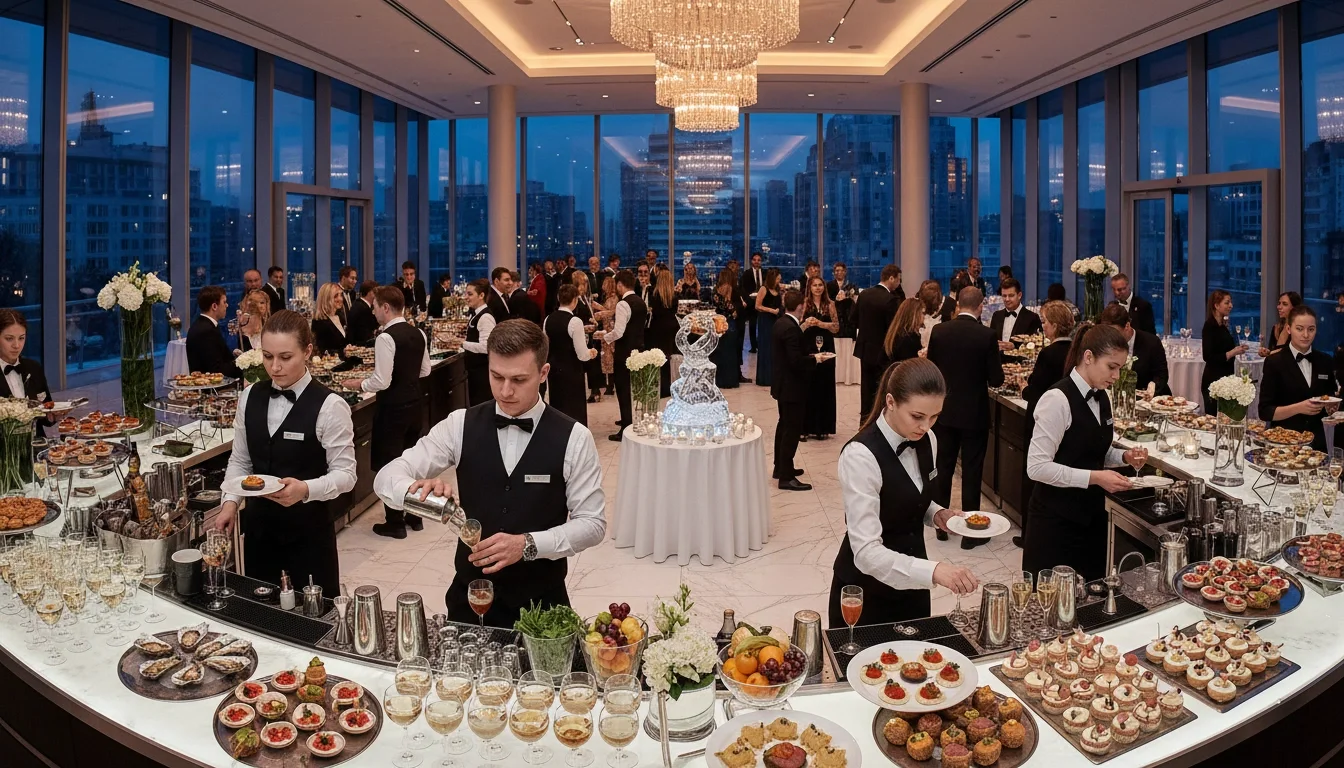
Professional bartenders and catering staff executing a high-end event reception
Planning Timelines: When to Book What
One of the most common mistakes in Charleston event planning is underestimating how quickly the market fills. Here's a practical timeline:
12+ Months Out
Secure your venue (essential for spring/fall peak dates)
Engage a full-service event planner if using one
Establish your event budget and guest count range
Begin exploring catering options and holding preliminary conversations
6–12 Months Out
Confirm your caterer or catering/venue package
Book a photographer, videographer, florist, and entertainer
Finalize your event layout and flow
Begin sourcing A/V and lighting vendors
Confirm transportation logistics
3–6 Months Out
Book your event staffing (agency or independent)
Finalize menus, staffing ratios, and run-of-show timeline
Confirm all vendor contracts and insurance documentation
Begin guest communication and RSVP collection
Confirm hotel room blocks if needed for out-of-town guests
30 Days Out
Distribute the event brief to all vendors and staff
Confirm staff uniforms and dress code details
Conduct a venue walkthrough with key vendors
Finalize staffing schedule and contact tree
Build in a weather contingency plan for any outdoor elements
Budgeting for a Charleston Event
Average Cost Ranges
Charleston is a premium event market, and budgets should reflect that. Here are general ranges to calibrate expectations:
| Line Item | Estimated Range |
|---|---|
| Venue rental | $3,000–$20,000+ depending on size and exclusivity |
| Catering (food + service) | $65–$150+ per person |
| Floral and décor | $5,000–$30,000+ for weddings; $2,000–$10,000 for corporate |
| Photography/videography | $3,500–$10,000+ |
| Entertainment (band or DJ) | $2,500–$15,000+ |
| Event staffing | $25–$55/hour per staff member (agency rates) |
| A/V and lighting | $2,000–$15,000+ depending on scale |
| Transportation | $1,500–$5,000+ |
Where People Overspend (and How to Avoid It)
The most common budget surprises in Charleston event planning:
Venue extras: Many venues charge separately for tables, linens, lighting, and catering minimums. Read contracts carefully.
Staffing gaps: Under-staffing to save money almost always results in service failures that guests notice and remember. Spend the money on adequate staffing.
Last-minute bookings: Popular vendors command premiums for short-notice bookings. Planning consistently saves budget.
Gratuity: In Charleston's hospitality culture, gratuity for event staff and vendors is expected. Build 18–22% into your F&B and staffing line items.
Day-Of Execution Tips From Event Professionals
Even the best-planned events can unravel on the day without strong execution. A few principles that experienced Charleston event professionals swear by:
Appoint a single point of contact. All vendors, staff, and the venue should have one person to call with questions and issues — ideally not the host or guest of honor. This is either your event planner or a designated event manager.
Build in buffer time. Set up schedules almost always run long. Build 30–60 minutes of buffer into vendor arrival and setup times, especially for venues with narrow setup windows.
Brief your staff thoroughly. Every staff member should know the event flow, their specific role, the venue layout, and who to escalate issues to. A well-briefed team anticipates problems before they happen.
Have a weather plan ready. For any event with outdoor elements, a backup plan should be communicated to all vendors before the event day — not improvised when clouds appear.
Document everything. Keep a run-of-show document shared with all key vendors and staff. Include arrival times, setup sequences, event milestones, and breakdown logistics. The more detailed, the better.
Trust your team. You've hired professionals — let them do their jobs. Micromanaging vendors and staff on event day creates confusion and slows execution. Empower your event lead to make real-time decisions.
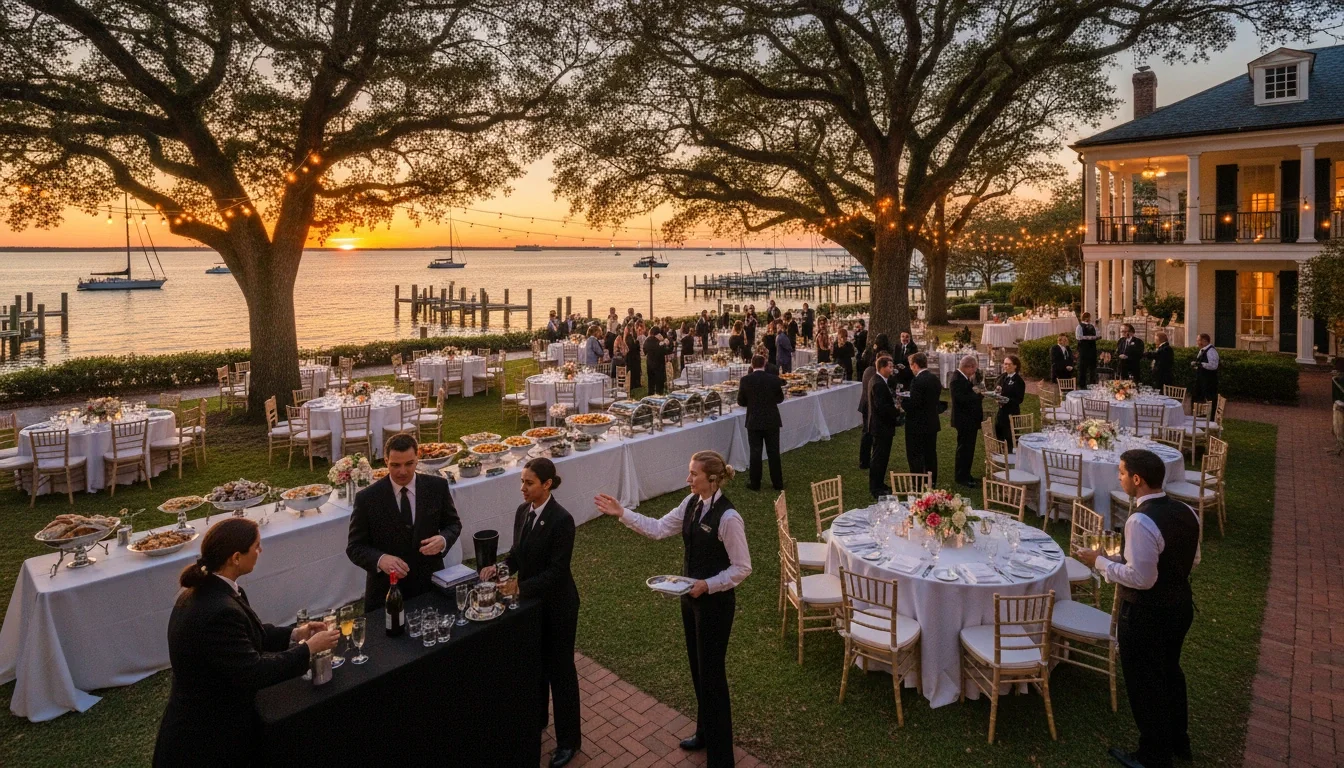
Event staff coordinating a large-scale outdoor reception at a Charleston waterfront venue