Tour Staff Survival Guide: Staying Energized on Long Campaigns
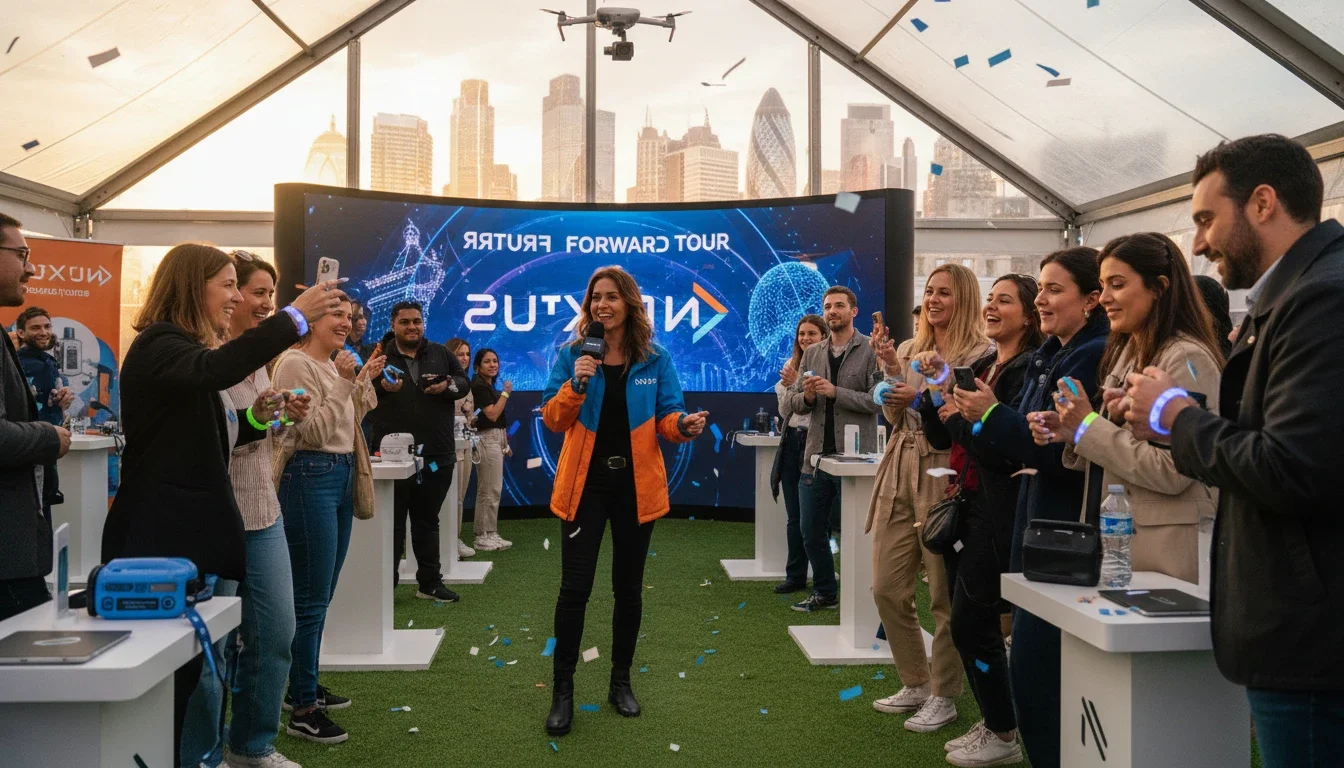
A brand ambassador engaging with consumers at a multi-city event tour activation
Working a multi-city brand activation tour is one of the most rewarding — and demanding — jobs in experiential marketing. You're representing brands to real people, in real markets, day after day. The energy you bring on day twelve of a fifteen-city campaign matters just as much as it did on day one.
But sustaining that energy across weeks of travel, back-to-back shifts, unfamiliar hotel beds, and repetitive brand messaging? That's where most event staff start to crack.
This guide is for touring event staff — brand ambassadors, street team members, trade show representatives, production assistants, and promotional models — who want a concrete, practical system for performing at their best from the first city to the last. Whether you're staffing a national product launch, a multi-market sampling campaign, or a festival circuit, these strategies will keep you sharp, healthy, and genuinely on when it counts most.
Why Long Campaigns Are Physically and Mentally Demanding
A single-day event is a sprint. A two-week tour is a marathon. And most event staff are trained for sprints.
The unique pressures of extended campaigns include:
Consecutive high-energy shifts with minimal recovery time between markets
Travel fatigue from early flights, late nights, and unfamiliar sleeping environments
Repetition fatigue — delivering the same brand message hundreds of times across dozens of interactions
Social depletion — being 'on' for consumers and the public for hours every day
Nutritional drift — defaulting to fast food or skipping meals due to a chaotic schedule
Isolation — being away from your home support network for extended periods
Understanding these stressors is the first step to managing them. The best touring staff don't just push through these challenges — they have systems in place before the tour starts.
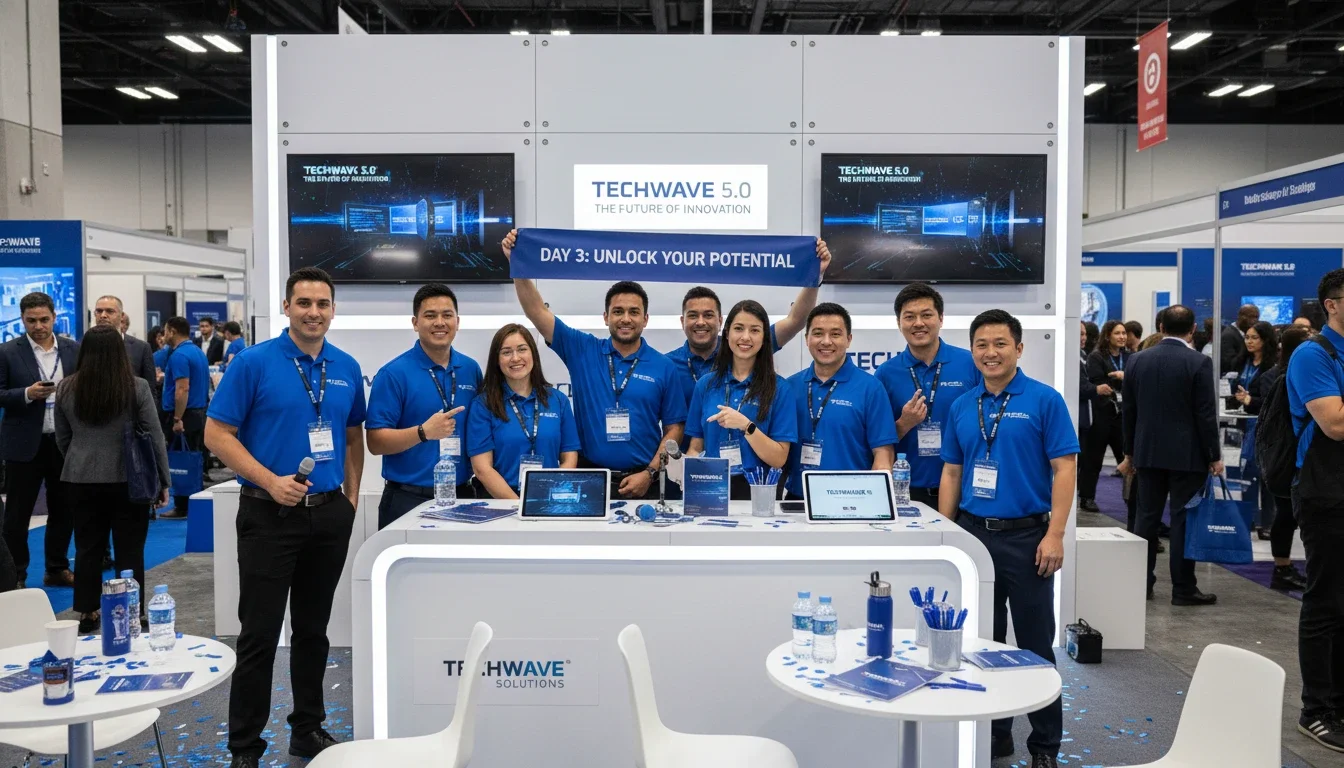
Event staff team gathered at a brand activation booth during a multi-day campaign
Before the Tour Starts: Pre-Campaign Preparation
Physical Readiness: What to Do in the Week Before
The week before your tour kicks off is not the time to go hard. It's the time to arrive at baseline.
Sleep banking: Prioritize 7-9 hours of sleep in the days leading up to your first activation. Sleep debt compounds fast on tour.
Reduce alcohol: Even moderate drinking before a long campaign degrades sleep quality and immune function.
Light movement: Walk, stretch, and stay mobile — but avoid new strenuous workouts that might leave you sore on day one.
Pack strategically: Assemble your survival kit (see the section below) before you leave, not in a hotel room at 11 PM.
Read the brief thoroughly: Know your brand messaging inside and out before arrival. The more confident you are in the script, the less mental energy it costs you to deliver it.
Mental Preparation: Managing Expectations Before Day One
One of the biggest performance drains on long campaigns is the gap between expectation and reality. Staff who mentally prepare for difficulty perform better when difficulty arrives.
Accept that energy will fluctuate. Some cities will feel great; others will feel like a slog. That's normal.
Set a personal goal for the campaign — not just a professional one. Having something personal to look forward to, or a milestone to track, keeps motivation alive.
Identify your recharge mechanism. Are you an introvert who needs solo time? An extrovert who needs social energy from the team? Know what restores you so you can protect it.
Nutrition on the Road: Fueling a High-Performance Shift
What to Eat (and What to Avoid) on Event Days
The biggest nutritional mistake touring event staff make is defaulting to convenience — drive-throughs, vending machines, and event catering that's heavy on carbs and light on everything else.
What to prioritize:
Protein-forward breakfasts: Eggs, Greek yogurt, protein shakes, or nut butter are the foundation of a sustained-energy morning. Carb-heavy breakfasts (pastries, cereal, bagels alone) spike and crash your blood sugar before noon.
Portable protein snacks: Jerky, mixed nuts, hard-boiled eggs, cheese sticks, and protein bars with low sugar content are your best friends between activations.
Complex carbohydrates for lunch: Brown rice, quinoa, whole grain options — not white bread or fries. These sustain energy across the afternoon hours without a crash.
Pre-shift meal timing: Eat 60-90 minutes before your shift starts. Eating too close to activation time diverts blood flow to digestion; eating too far out leaves you depleted by hour three.
What to avoid or minimize:
High-sugar energy drinks: They work for 45 minutes. They wreck the next two hours.
Heavy, greasy meals before a shift: Anything that requires your body to work hard to digest will rob you of the energy you need for the floor.
Skipping meals 'because it's busy': Energy debt catches up — usually at the worst possible moment.
Hydration Strategies That Actually Work
Event staff are chronically dehydrated. Climate-controlled venues dry you out. Long shifts on your feet deplete electrolytes. And the social demand of constant engagement means you're breathing harder, talking more, and losing more moisture than a desk worker.
Carry a refillable water bottle — always. Aim for at least 2.5-3 liters across an event day.
Electrolyte supplements: Packets like Liquid I.V. or Nuun tabs are compact, inexpensive, and dramatically improve hydration quality over plain water.
Avoid excessive caffeine: Coffee and energy drinks are diuretics. Balance every caffeinated drink with additional water.
Hydrate aggressively the night before a big activation day, not just on the day itself.
Pro tip: Set a recurring reminder on your phone to drink water every 45 minutes during a shift. You'll be surprised how often you forget when you're in the flow of engagement.
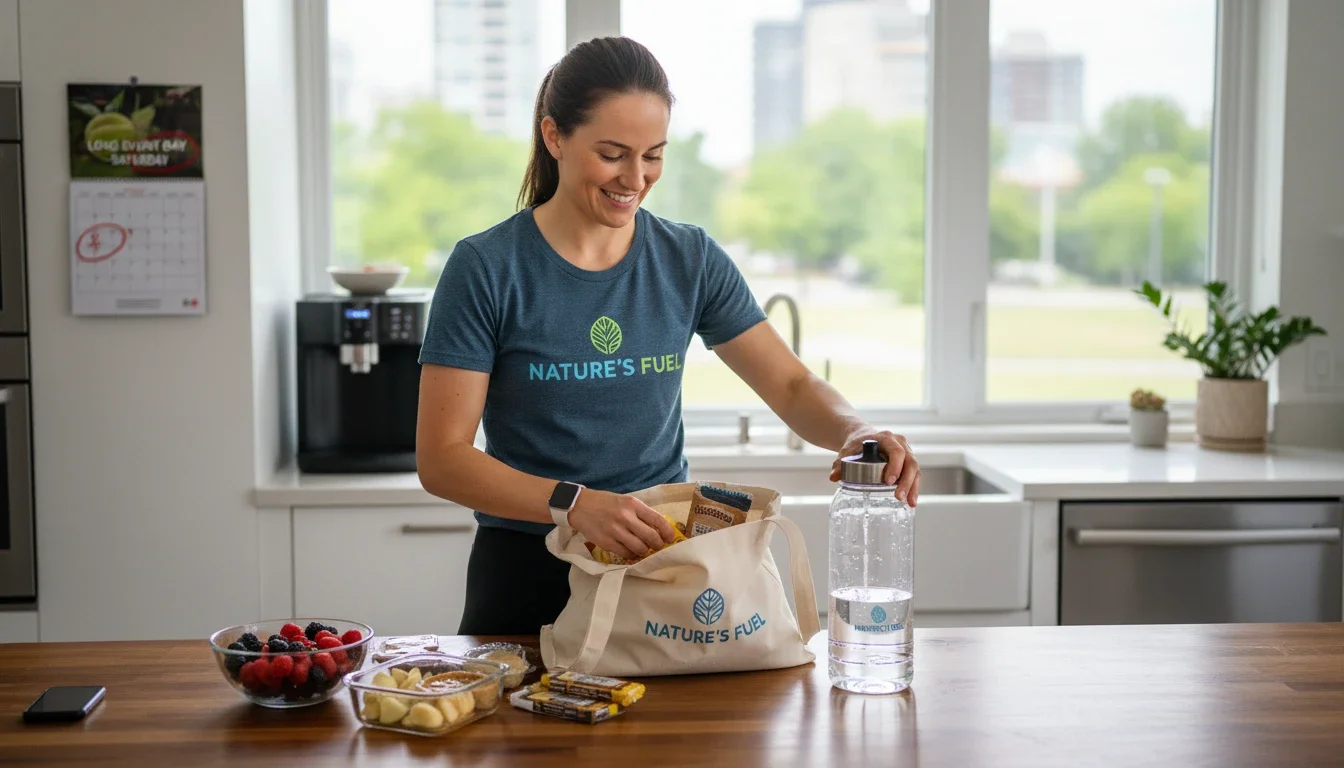
Brand ambassador preparing healthy snacks and water bottle for a long event day
Sleep, Recovery, and Managing Travel Fatigue
How to Sleep in Unfamiliar Hotels
Hotel sleep is notoriously worse than home sleep. Different mattresses, ambient noise, light pollution, time zone shifts, and the psychological activation of being somewhere unfamiliar all disrupt sleep architecture. Over two weeks, this adds up.
Use a sleep mask — every night. Light is the single most controllable factor in hotel rooms.
White noise apps: Apps like Rain Rain, Calm, or even YouTube ocean sounds mask inconsistent hotel noise far better than earplugs alone.
Keep a consistent sleep time: Resist the temptation to scroll through your phone until 1 AM because you're in a new city. Lock in a consistent 'lights out' time across your tour.
Travel with your own pillow case: The familiar scent of home reduces psychological arousal and helps your nervous system settle faster.
Magnesium glycinate: A widely recommended, non-habit-forming supplement for improved sleep quality. Many touring event professionals swear by it.
Limit alcohol as a sleep aid: A nightcap might feel like it helps you fall asleep — it fragments your sleep cycles and leaves you less rested, not more.
City-to-City Recovery Between Activations
The transit day — when you're moving between markets — is not wasted time. It's recovery time. Use it intentionally.
Sleep on the plane if you can: Download an eye mask and noise-cancelling earbuds as non-negotiable tour gear.
Move your body at the airport: Walk the terminal. Take the stairs. Even 15 minutes of movement during a layover resets blood circulation and reduces stiffness from long sitting periods.
Eat a real meal during transit: This is one of the most skipped opportunities. Don't arrive at your next market depleted.
Check in with your team emotionally: A five-minute debrief or casual conversation on transit cements team cohesion and surfaces any emerging issues before they become morale problems.
Physical Performance: Taking Care of Your Body on Tour
Footwear, Posture, and Long Hours on Your Feet
Event staff can log 8-12 hours of standing and moving during a single activation. Across multiple consecutive days, this accumulates into serious physical wear. Foot, knee, and back problems are among the most common reasons touring staff underperform or leave campaigns early.
Invest in professional-grade footwear: This is not the place to cut costs. Brands like New Balance, HOKA, Dansko, and Superfeet insoles are popular in the event staffing world for a reason. Good shoes are performance gear.
Alternate footwear: If your brand allows, pack two pairs of work-appropriate shoes and rotate them. Different pressure points each day reduce cumulative fatigue.
Compression socks: Particularly on overnight flights or long standing days, compression socks dramatically reduce leg swelling and fatigue.
Posture check-ins: Every 90 minutes, consciously reset your posture. Prolonged standing with a forward lean strains your lower back and accelerates fatigue.
Quick Movement and Stretching Routines Between Shifts
You don't need a gym. You need 10 minutes and a hotel room floor.
Morning micro-routine (10 minutes):
Hip flexor stretch: 60 seconds per side (releases tight hips from sitting/standing asymmetry)
Cat-cow stretch: 10 reps (spinal mobility for long-standing days)
Calf raises: 3 sets of 20 (activates circulation for a standing-heavy day)
Shoulder rolls and neck tilts: 60 seconds (releases tension from carrying gear or posture strain)
Evening recovery routine (10 minutes):
Legs up the wall: 5 minutes (drains swelling from feet and legs after long standing days — arguably the single most effective recovery tool for event staff)
Foam roll calves and quads: 2-3 minutes
Diaphragmatic breathing: 3 minutes (activates the parasympathetic nervous system and initiates recovery)
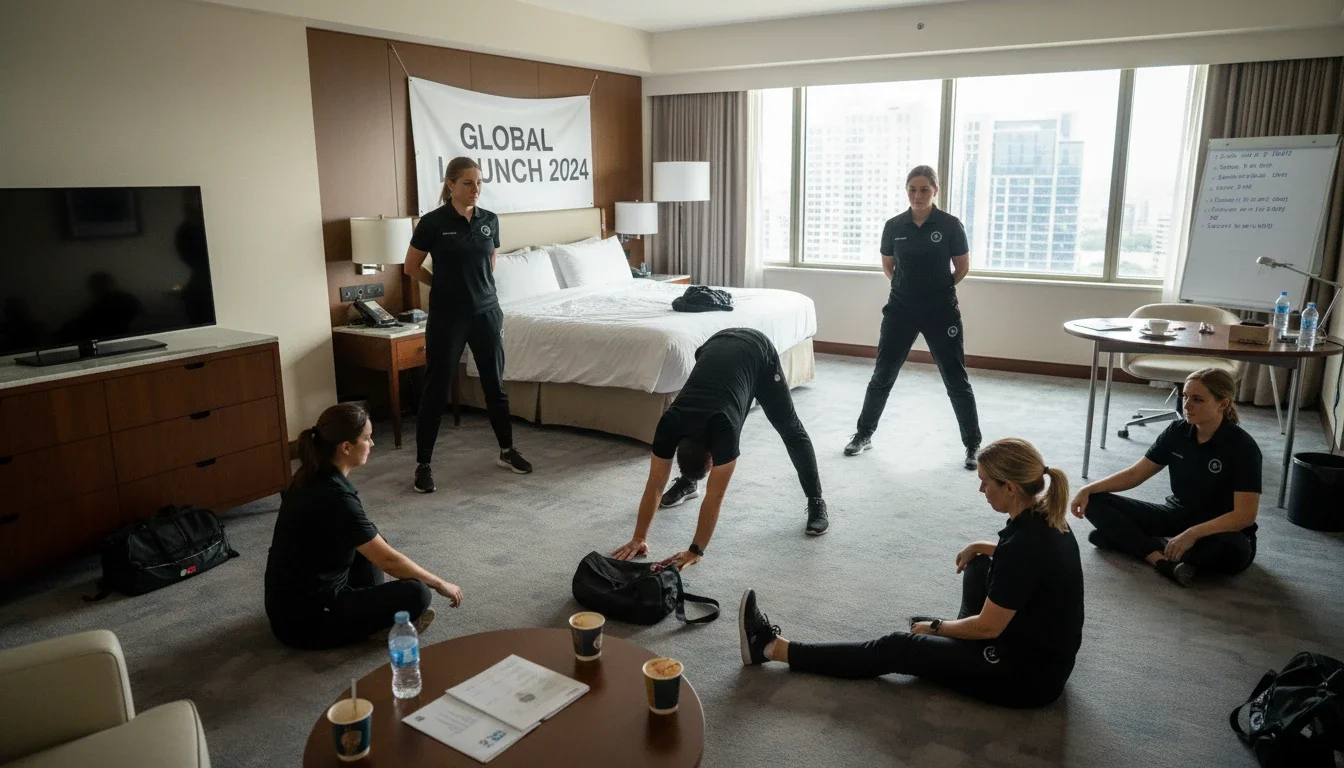
Event staff performing a quick stretch routine in a hotel room before an activation day
Mental Resilience: Staying Sharp When the Campaign Drags
Combatting Repetition Fatigue in Promotional Roles
One of the most underestimated challenges of promotional and brand ambassador work is repetition fatigue. By day eight, you've delivered your brand pitch hundreds of times. The natural human response is to go through the motions — and consumers can feel it instantly.
Strategies to stay genuine:
Treat every consumer interaction as the first one for that person. It is. They haven't heard your message yet.
Vary your delivery intentionally: Change your opening line, rotate your product talking points, try a different question to hook the conversation. Micro-variation prevents autopilot.
Find real points of connection with each consumer: Move beyond the script into genuine human curiosity. The more genuinely interested you are in the person, the less scripted you feel.
Debrief with your team daily: Sharing funny or memorable consumer interactions at the end of each day reframes the work as a story, not a grind.
Mindset Strategies for Consistent Performance
Mental performance on a long campaign is not about being positive all the time. It's about managing your internal state so fatigue doesn't bleed into your professional presentation.
Track small wins: Note one meaningful interaction per shift — someone who was genuinely delighted, surprised, or converted. This creates a positive feedback loop that counteracts depletion.
Pre-shift activation ritual: A 5-minute ritual before you walk onto the floor — music, a walk, a specific warm-up — creates a psychological on-switch that separates your personal state from your professional mode.
Normalize bad days: They happen. The goal is not to eliminate off-days but to prevent one off-day from becoming a bad week.
Limit doomscrolling after shifts: Your nervous system needs time to decompress, not be re-stimulated by social media or news. Give yourself a 30-minute phone-free buffer after each shift before bed.
Team Morale and On-Tour Camaraderie
Tour campaigns are not solo endeavors. The energy of a team traveling together, sharing wins and losses, and representing a brand in city after city either compounds positively or unravels. The difference usually comes down to intentional culture.
Celebrate market wins together: When an activation goes exceptionally well, acknowledge it as a team. Shared success creates shared identity.
Address tension quickly: In close quarters over multiple days, small interpersonal frictions compound. A direct, low-drama conversation on day three is infinitely better than a team morale collapse on day ten.
Create downtime rituals: A team dinner, a shared workout, or even a 15-minute debrief walk gives the group a rhythm that isn't just work.
Designate a team captain as a morale point person: Someone whose informal role includes noticing when a team member is struggling and proactively checking in.
Lean on your agency support: A well-run staffing agency should have dedicated account managers who are reachable on event day. If morale issues or logistical problems arise, that channel of communication is an asset — use it.
At Eleven8, every booking comes with a dedicated account manager and 24/7 on-site support. For touring activations, this means touring staff isn't navigating problems alone — there's an offsite operations team actively managing the campaign alongside them.
What the Best Staffing Agencies Do to Support Touring Staff
Not all event staffing agencies take equally good care of their touring staff — and that difference shows up directly in performance. When evaluating an agency for a multi-city campaign, whether you're a brand, an agency, or talent yourself, look for these indicators:
Pre-tour briefing and brand training: Staff who know the campaign deeply before they arrive perform better in every market.
Clear communication channels: A dedicated point of contact, not a shared inbox, means issues get resolved in real time.
Staff welfare protocols: Does the agency have policies around shift length limits, travel recovery time between activations, and rest requirements?
Backup staff coverage: On a multi-city tour, if a team member falls ill, a same-day replacement in a new market is logistically complex. An agency with a verified nationwide roster handles this without a crisis.
Post-activation debrief loops: The best agencies collect performance feedback from each market and use it to optimize the next one.
Eleven8's 11-step event process — including geo-clocked arrivals, on-site walkthroughs, and post-shift debriefs — is built specifically for consistent performance across events and markets. It's the difference between a campaign that performs well in week one and falls apart by week two, and one that finishes stronger than it started.
Your Tour Staff Survival Kit: What to Pack
The right gear reduces friction and removes a category of daily decisions that drain mental energy. Here's what experienced touring event staff bring without exception:
Physical Essentials
Two pairs of quality event shoes (rotate daily)
Compression socks (at least 3 pairs)
Foam roller or massage ball
Sleep mask and travel earplugs
White noise app downloaded offline
Magnesium glycinate supplements
Electrolyte packets (Liquid I.V., Nuun, or similar)
High-protein snacks: jerky, mixed nuts, protein bars
Reusable water bottle (insulated)
Basic first aid: ibuprofen, blister pads, band-aids, antacids
Professional Essentials
Printed or saved brand brief — for quick review before each market
Spare uniform or backup event attire
Portable charger/power bank
Business cards or digital contact info for networking
A notebook or notes app for market-specific observations
Mental Health Essentials
Noise-cancelling headphones or earbuds
A non-workbook, podcast, or entertainment for decompression
Photos or small personal items that make a hotel feel less anonymous
A journal or app for tracking daily wins and reflections
The cost of assembling a proper survival kit is less than one day's pay. The performance and well-being return across a two-week tour is immeasurable.