What It’s Like Working on a Brand Tour: Expectations & Tips
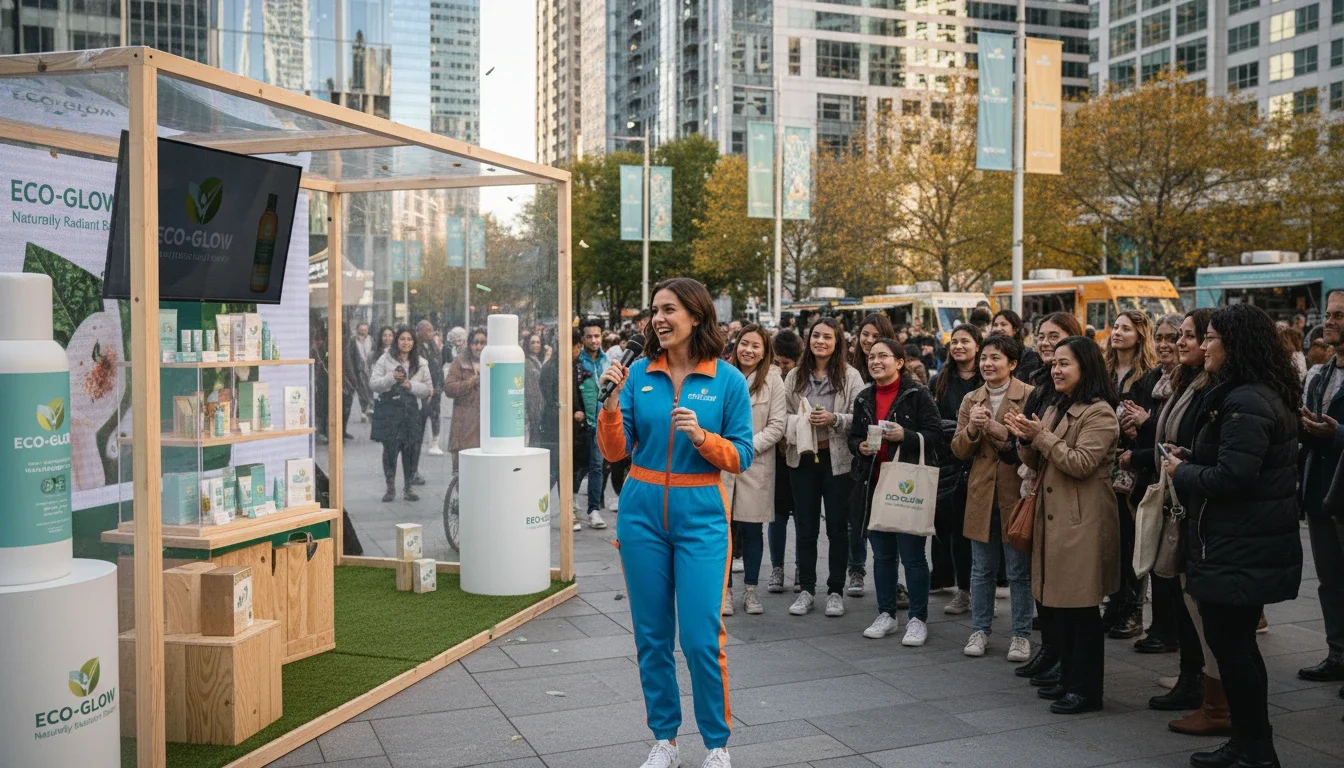
Brand ambassador engaging consumers at an outdoor brand activation event in a busy city plaza
You land in a new city on a Monday, set up a branded booth by Tuesday morning, and spend the next four days representing a national consumer brand to thousands of strangers. Then you pack up, hop a flight, and do it all over again in a different market the following week.
That's the reality of working on a brand tour — and for the right person, it's one of the most exciting, dynamic, and career-building gigs in the experiential marketing world.
But it's also nothing like a regular event shift. Brand tours come with longer commitments, higher performance expectations, more logistics, and a set of challenges that catch a lot of first-timers off guard.
Whether you're preparing for your first multi-city tour assignment or want to level up your performance on future campaigns, this guide covers everything you need to know — from pre-tour prep to what actually happens between activations.
What Is a Brand Tour?
A brand tour — sometimes called a mobile marketing tour or multi-city brand activation — is a campaign where a brand travels to multiple cities or venues over a set period to engage consumers directly. Rather than running a single event, brands take their product experience on the road: setting up branded environments, sampling products, running interactive activations, and meeting their audience where they actually are.
For staff, this means working a series of activations that may span several weeks or months, across markets as geographically spread as Los Angeles, Chicago, New York, Atlanta, and Miami — often with just a day or two between stops.
How Brand Tours Differ from One-Day Events
A single event shift is contained. You arrive, execute, debrief, and go home. A brand tour is an entirely different engagement model. It requires:
Multi-day or multi-week commitment to the same brand and campaign
Consistent brand voice and energy across every market, even as circumstances change
Physical endurance across back-to-back activation days
Strong adaptability, as each city brings a different audience, venue, and vibe
Types of Brand Tours You Might Staff
Consumer sampling tours (CPG brands, beverage companies, food brands)
Product launch roadshows (tech launches, automotive reveals, health & wellness brands)
Retail pop-up tours (fashion brands, DTC products, subscription services)
Experiential awareness campaigns (entertainment, streaming, sports brands)
Before the Tour: How to Prepare Like a Pro
Your tour performance is largely decided before you ever take the field. The staff who consistently get re-booked on tour campaigns are the ones who show up prepared — not just present.
Study the Brand Brief (and Actually Memorize It)
Every tour comes with a brand brief: the brand's story, key product messaging, target consumer, FAQs, talking points, and prohibited topics. Most staff skim it. Tour veterans treat it like a script they need to know cold.
Before your first activation:
Read the brief at least twice, ideally three times
Highlight the 3–5 core messages the brand wants consumers to walk away with
Practice answering likely consumer questions out loud
Know what to say when someone asks something off-script
Brands invest heavily in these tours. They notice when staff can speak about their product with genuine fluency versus just reciting bullet points.
What to Pack for a Multi-City Tour
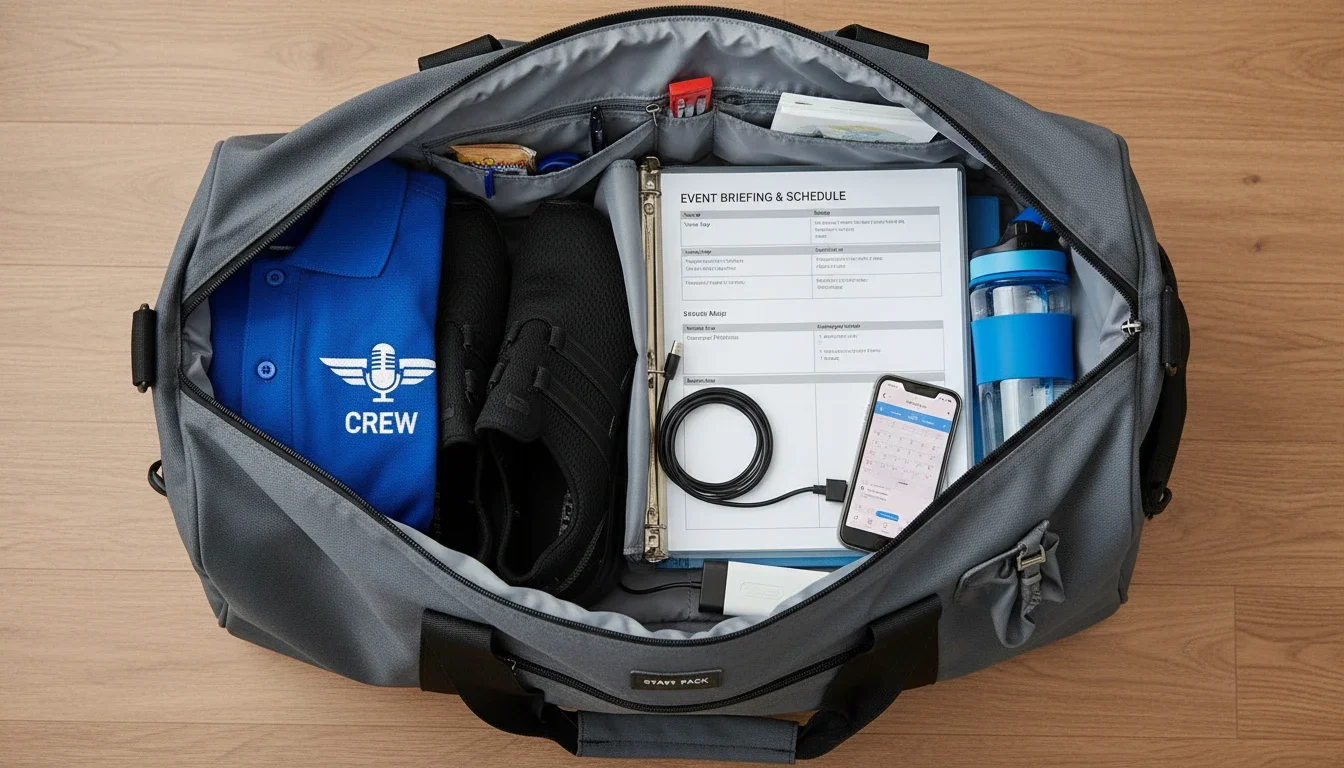
Organized packing bag with event staff essentials: branded uniform, printed brief, phone charger, water bottle, comfortable shoes
Tour staffing is not like packing for a vacation. Your kit needs to support long days on your feet, varying weather, and frequent transitions between cities. Essentials include:
Comfortable, broken-in footwear (your feet will thank you by day three)
Multiple copies of the brand uniform, freshly laundered
Printed copy of the brand brief and activation schedule
Phone charger and portable power bank (you will be photographing, reporting, and communicating all day)
Reusable water bottle and healthy snacks for high-energy days
A small emergency kit: stain remover, pain reliever, blister bandages
Any event-specific props or branded materials your manager has requested you carry
Logistics, Travel, and Accommodation Expectations
On agency-managed tours, logistics are typically coordinated for you — flights, ground transport between cities, hotel accommodations, and per diem arrangements are outlined before the tour begins. That said, always clarify:
Whether travel days are paid or unpaid
What expenses are covered versus reimbursed
How early do you need to be at activation sites versus your hotel check-in timing
Who is your single point of contact for day-of logistics questions
A good staffing agency will have all of this documented in your booking confirmation. If it isn't — ask before you accept the assignment, not after.
What a Typical Tour Day Actually Looks Like
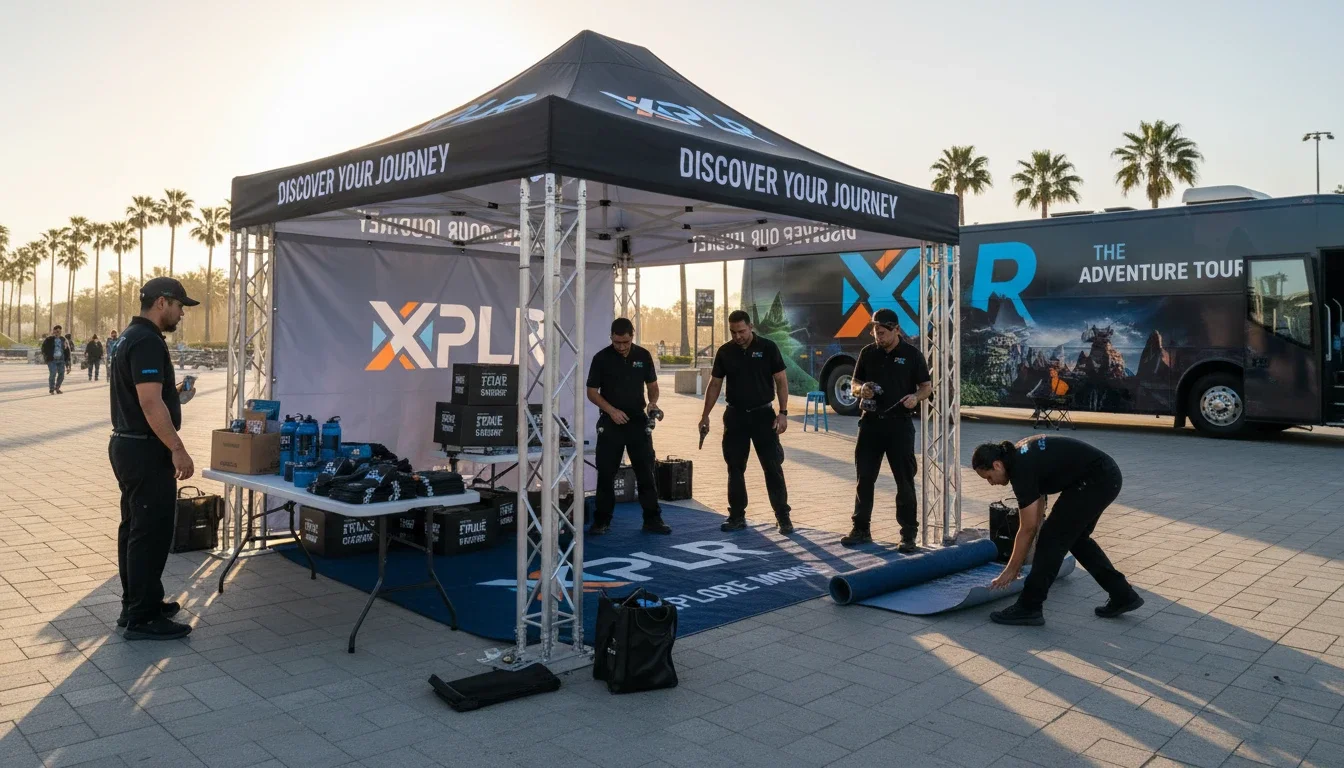
Event staff setting up a branded pop-up booth early morning before a brand tour activation
No two markets are the same, but the daily rhythm of a well-run brand tour follows a consistent structure.
Morning Setup and Pre-Shift Briefings
Tour days often start earlier than standard event shifts. Setup can begin anywhere from 6 to 8 AM, depending on the venue and permit window. Expect a team briefing before public activation begins — this is where the tour manager will review the day's goals, remind the team of key talking points, and address anything specific to that market.
Take briefings seriously. Notes taken here can prevent costly mistakes mid-activation.
Engaging Consumers in the Field
The activation window — when the brand is open, and staff are engaging the public — is where the real work happens. Strong tour staff shares some consistent behaviors:
They initiate conversations rather than waiting to be approached
They adapt their energy to the crowd (festival crowd vs. business district crowd requires different tones)
They stay on-message even after hours of repetition, without sounding robotic
They handle skeptical, disinterested, or difficult consumers with patience and grace
They stay camera-ready — brands document everything, and great candid content has real marketing value
End-of-Day Reporting and Wind-Down
After activation wraps, tour staff typically contribute to end-of-day metrics reporting: consumer engagements, samples distributed, leads captured, social media activity, and any notable consumer feedback. This isn't administrative busywork — it's the data that brands use to evaluate campaign ROI and decide which staff to re-book.
Complete your reports accurately and on time. Reliability in reporting is one of the fastest ways to build a reputation as a go-to tour staffer.
The Challenges Nobody Warns You About
Brand tours are rewarding, but they also expose you to pressures that casual event work simply doesn't involve.
Physical and Mental Fatigue on Long Tours
Day one of a tour is energizing. Day seven in a new city, after five activation days and two red-eye flights, is a different story. Physical stamina is essential — long shifts on your feet, in variable weather, in unfamiliar venues, will drain you faster than you expect.
Strategies that help:
Prioritize sleep over sightseeing, especially early in the tour
Eat real meals — the temptation to survive on activation samples is real, and it catches up with you
Communicate proactively if something is affecting your performance
Build recovery routines: stretching, hydration, and time alone to decompress
Adapting to New Cities and Demographics
A message that resonates with a Los Angeles audience may land very differently in Nashville or New Orleans. Strong tour ambassadors develop cultural awareness and communication flexibility — they read the room quickly and adjust their approach without abandoning the brand message.
Pay attention to how local team leads or market managers tailor the activation approach in each city. That context is valuable intelligence for a touring staff member.
Managing Inconsistent Schedules and Downtime
Tour schedules can shift due to weather, permit issues, venue changes, or brand-side decisions. There will be days with nothing on the schedule and days when you're needed for twelve hours straight.
The most successful tour staff approach downtime professionally: they stay reachable, keep themselves ready, and use the time to review materials or rest — not disappear into the city until 2 AM.
Pro Tips to Stand Out as Tour Staff
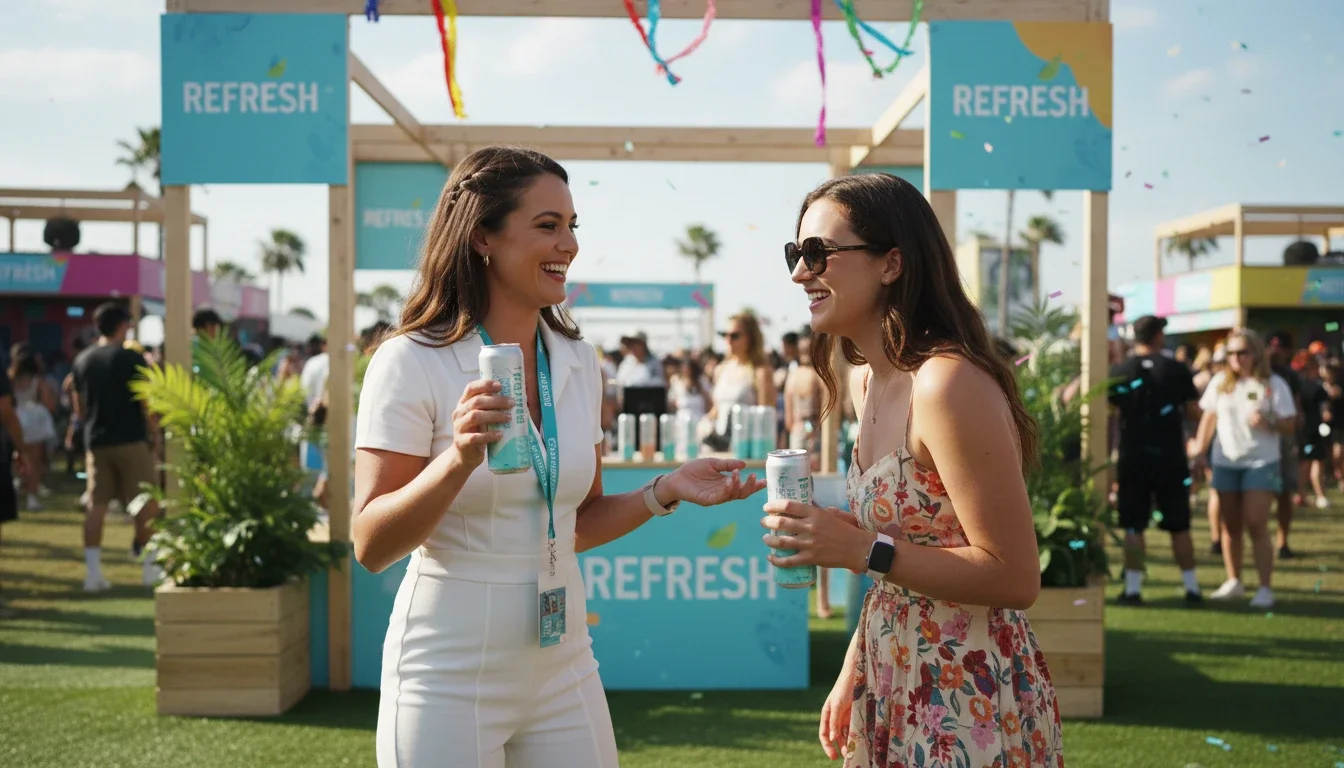
Smiling brand ambassador holding branded product while engaging with a consumer at a festival activation
Master the Brand Story Before Day One
The gap between good and exceptional tour staff almost always comes down to brand knowledge. If you can tell the brand's origin story, explain why the product is different, and connect those points to what a specific consumer in front of you actually cares about — you're delivering marketing, not just staffing.
Brands remember the ambassadors who speak about their product the way a true fan would. Those are the people who get re-booked.
Build Relationships With Your Tour Team
On multi-week tours, your team becomes your immediate professional community. Staff who invest in those relationships — who stay collaborative, support teammates during tough days, and communicate openly with the tour manager — consistently receive better performance reviews and first preference for future campaigns.
Brand tour staffing is a reputation business. Every activation is an audition for the next one.
Track Your Metrics — They Drive Future Bookings
Keep your own log of daily performance: how many consumers you engaged, feedback you collected, specific interactions that went exceptionally well or poorly. This serves two purposes: it makes your end-of-day reporting faster and more accurate, and it gives you concrete talking points when communicating with your staffing agency about future opportunities.
Pay, Contracts, and Working with a Staffing Agency on Tour
What Tour Staff Typically Earns
Tour staffing generally pays at a premium over standard event shifts, reflecting the longer commitment, travel requirements, and higher performance expectations. Pay structures vary based on the staffing agency, brand, and market, but tour staff can typically expect:
Higher hourly rates than single-day event shifts
Travel stipends or fully covered transportation and accommodation on managed tours
Per diem allowances for meals in some engagements
Performance bonuses tied to lead capture or consumer engagement targets on some campaigns
Always review your contract for explicit terms on travel compensation, hourly guarantees, overtime, and how cancellations are handled.
What to Look for in a Brand Tour Contract
Before committing to any multi-city assignment, clarify the following in writing:
Duration and specific cities/dates of the tour
Daily call time and estimated shift length
Who covers travel (agency, brand, or you) and how reimbursement works
Cancellation and no-show policies
Image and content release terms (brands, photograph and videos)
Post-tour reporting requirements and deadlines
How Staffing Agencies Support Tour Staff
Working with a well-structured staffing agency makes the brand tour experience dramatically more manageable. A quality agency handles client communication, travel coordination, and on-tour issue escalation — leaving you free to focus on the activation itself.
At Eleven8, every tour booking includes a dedicated account manager, 24/7 event-day support, and a briefed backup system so the tour never gets derailed by unforeseen absences. Staff on Eleven8-managed tours know exactly who to call if something goes sideways — and that support extends across every city on the route.
Is Brand Tour Work Right for You?
Brand tour staffing is one of the most immersive, portfolio-building opportunities available in experiential marketing. It's a fit for people who:
Thrive in high-energy, public-facing roles
Adapt quickly to new environments and diverse consumer groups
Value flexibility and variety over a fixed office routine
Are genuinely interested in the brands and campaigns they represent
Can perform consistently over multiple consecutive activation days
It's a harder fit for staff who need rigid routines, find repetitive consumer interactions draining, or aren't comfortable with the logistical ambiguity that comes with touring.
If you're on the fence, start with a shorter activation series — two or three consecutive days with the same brand — before committing to a full national tour. It's the best way to stress-test your fit for the format.
If you're ready to explore brand ambassador and experiential tour opportunities, Eleven8 works with some of the most recognized brands in the country across 25+ U.S. markets.