
What to Look for When Hiring Event Staff for the FIFA World Cup
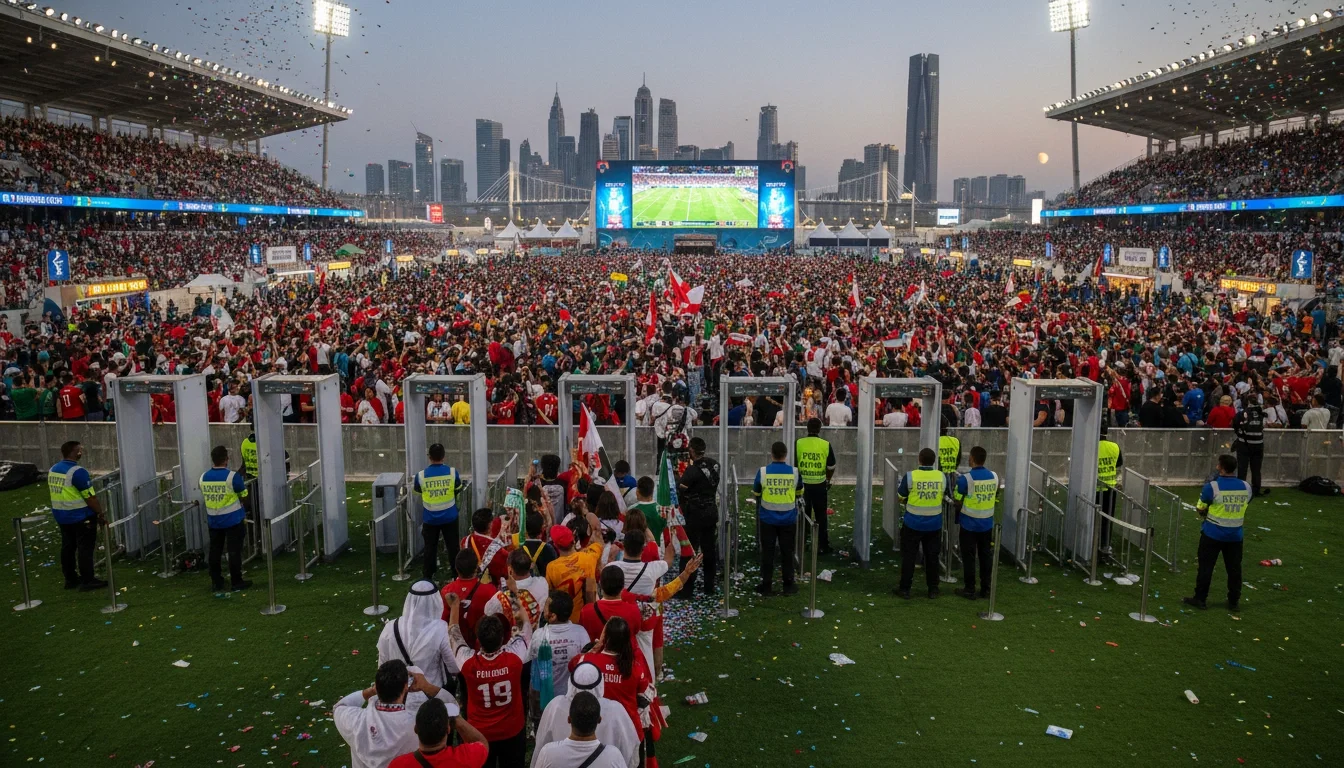
Large international crowd at a FIFA World Cup fan zone with event staff at entry points.
The FIFA World Cup is not like other events. With 48 teams competing across multiple host cities, millions of international visitors descending on U.S. stadiums, fan zones, and hospitality venues, and the eyes of the world watching every detail, the pressure on the people running these events is immense.
For business owners, brand sponsors, venue operators, and experiential agencies who are activating around the tournament, the difference between a flawless event and a costly disaster often comes down to one factor: the quality of your event staff.
Temporary workers hired for World Cup events are not just filling shifts. They are representing your brand, managing your guests, and serving as the front-line face of your operation to an international audience. Getting this wrong is expensive. Getting it right is transformative.
This guide walks you through exactly what to look for when hiring event staff for the FIFA World Cup — the skills that separate reliable professionals from risky hires, the red flags that signal trouble, and how to make the smartest staffing decisions for one of the world's most demanding events.
Understand the Unique Demands of a FIFA World Cup Event
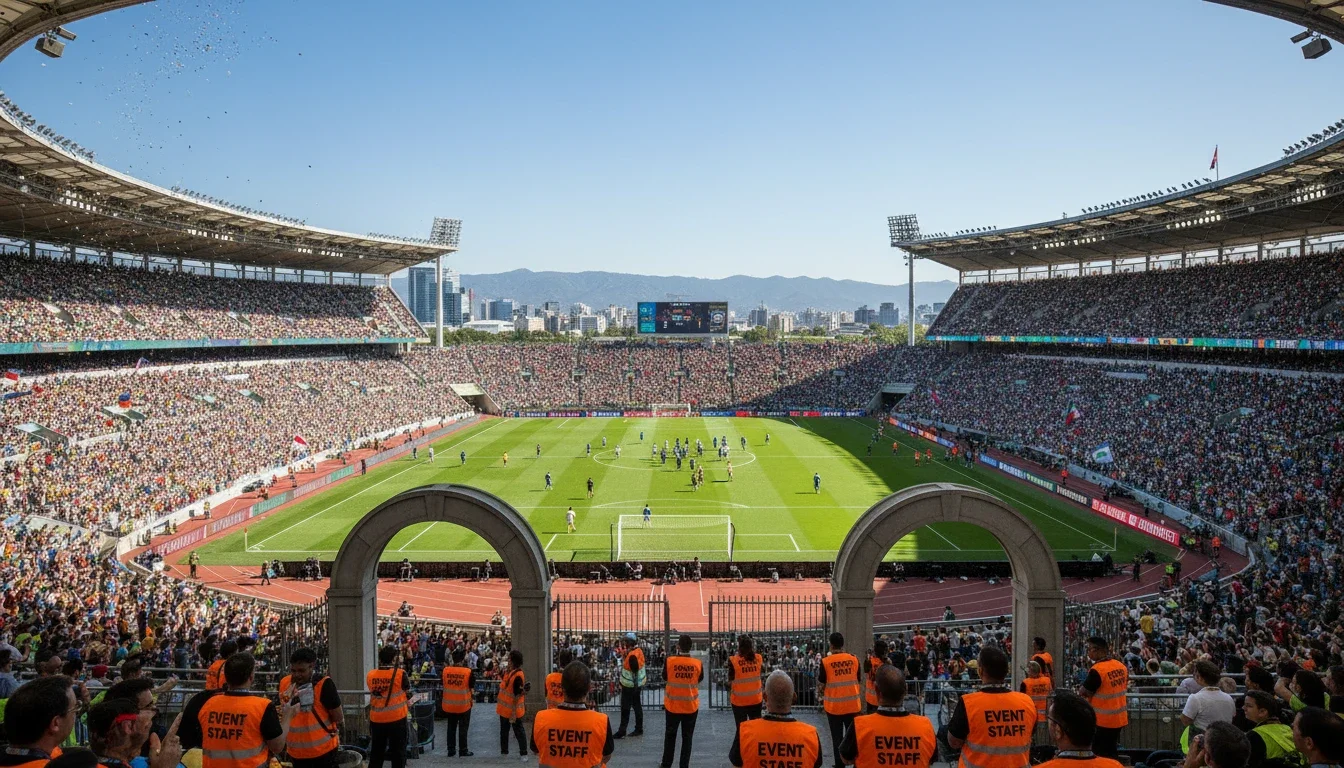
Packed international soccer stadium during a daytime match with event operations staff visible near gates.
Scale and Crowd Size Require a Different Mindset
Standard corporate events or private functions may draw a few hundred to a few thousand guests. A World Cup activation — whether it is an official fan zone, a brand hospitality tent, a stadium concourse operation, or a viewing party — can involve tens of thousands of people in a single day.
At that scale, staff who perform well in comfortable, controlled environments will be tested in ways they have never experienced. Long queues, competing noise, simultaneous requests in multiple languages, shifting crowd flows, and unexpected operational changes are the norm — not the exception.
Before hiring a single person, internalize this: your World Cup event staff need to be selected, vetted, and briefed differently than any standard hire.
International Audiences Come With Specific Expectations
Supporters traveling to the United States from across Europe, South America, Africa, and Asia bring their own cultural norms around service, hospitality, and communication. What feels like standard customer service in Los Angeles may be perceived as cold or confusing to a first-time visitor from abroad.
The best event staff at an international tournament are not just competent operators. They are culturally aware, genuinely warm, and skilled at reading guests who may not share their language or customs. This quality cannot be trained on the spot — it needs to be screened for during the hiring process.
The Essential Skills and Qualities to Prioritize
1. Proven Experience at Large-Scale or Sporting Events
This is the single most important filter in your hiring process. Experience running a booth at a small trade show does not prepare someone for managing a 15,000-person fan activation. Look for candidates who have worked at conventions, concerts, marathons, sporting events, or other high-volume, fast-moving environments.
When reviewing resumes or speaking to staffing agencies, ask specifically about the largest events they have worked and their role within those events. Were they customer-facing? Did they manage queues? Did they work multiple consecutive long shifts? Did they interface with international guests?
Candidates with mega-event or major sporting event experience on their record will adapt far more quickly and perform far more consistently when the environment gets chaotic — and it will.
2. Crowd Management and Composure Under Pressure
Large events create bottlenecks, frustrations, and moments of genuine tension. Your registration staff may face a queue of 300 people growing impatient. Your hospitality team may be serving at capacity while a language barrier slows every interaction. Your floor staff may need to redirect a crowd that is heading the wrong direction.
In these moments, the composure of your staff determines whether a frustrating situation resolves quickly or escalates into an incident. Panicky, inexperienced, or conflict-averse workers will make a difficult moment worse. Calm, solution-oriented professionals will move through it without missing a beat.
During interviews or vetting, ask candidates to walk you through how they have handled a high-pressure moment at an event. Listen for self-awareness, practical thinking, and evidence that they remained composed under fire.
3. Multilingual Communication Skills
For any event with a significant international audience, language capability is a genuine operational asset — not a nice-to-have. Staff who speak Spanish, Portuguese, French, Arabic, German, or other widely represented World Cup languages will dramatically improve the guest experience for a large percentage of your attendees.
Even staff who are not fully bilingual but who are familiar with common phrases or who approach non-English-speaking guests with patience and positive body language will outperform those who become flustered or dismissive when language barriers arise.
When briefing your staffing agency or posting requirements, specify the language needs of your event explicitly. An agency with a diverse, multilingual talent pool — such as one experienced in large-scale international events — will be able to match you with staff who reflect the demographics of your audience.
4. Exceptional Customer Service Instincts
Customer service at a World Cup event is not about following a script. Scripts break down the moment a guest asks an unexpected question, appears confused, or needs genuine help navigating an unfamiliar environment. What matters is instinct: the natural inclination to help, to anticipate needs, and to ensure every person walks away from an interaction feeling taken care of.
Look for candidates with backgrounds in hospitality, hotel service, premium retail, or high-volume food and beverage. These environments develop the kind of service-first mindset that transfers powerfully to event staffing roles at a major tournament.
During interviews, role-play difficult guest interactions. See how the candidate responds when a guest is rude, confused, or upset. The answer will tell you more than their resume ever will.
5. Cultural Sensitivity and Awareness
Beyond language, cultural awareness shapes how guests feel treated. Customs around personal space, physical greetings, eye contact, and queuing vary significantly across cultures. A staff member who is warm and professional within the context of American norms may inadvertently come across as abrupt or inappropriate to guests from other regions.
Prioritize candidates who have traveled internationally, worked at multicultural events, or who have demonstrated genuine curiosity about and respect for other cultures. Ask about their experience working with international guests and how they have adapted their communication style in those contexts.
6. Reliability and Punctuality — Non-Negotiable at This Scale
At a standard private event, a late staff member is an inconvenience. At a World Cup activation with 10,000 guests arriving simultaneously, a no-show or late arrival creates a gap in operations that cascades into a significantly worse guest experience.
Reliability must be verified through references and track record — not assumed. Before hiring independently or through an agency, check references specifically around attendance, punctuality, and follow-through on shift commitments.
If you are working with a staffing agency, ask what their fulfillment rate is and what their contingency process looks like when a staff member becomes unavailable at the last minute. An agency with a strong reserve roster and 24/7 management support gives you a crucial safety net.
7. Adaptability and Problem-Solving on the Fly
No event plan survives first contact with the crowd. Schedules shift, supplies run short, technology fails, and weather creates complications. Your staff will regularly face situations that were not covered in the pre-event briefing, and their response in those moments determines whether your operation runs smoothly or visibly struggles.
Look for candidates with experience in dynamic, fast-changing environments. Ask them to describe a time they had to figure something out on their own during an event and what they did. Problem-solvers who take initiative will always outperform rule-followers who freeze when the script runs out.
8. Physical Stamina for Long Shifts
FIFA World Cup events — from match-day operations to multi-day fan zones to week-long hospitality programs — often involve back-to-back shifts, outdoor environments in summer heat, and hours spent on foot. Physical endurance is a real operational factor.
Staff who are not prepared for the physical demands of sustained, high-energy event work will start to show fatigue after just a few hours, and their service quality will drop noticeably. When screening candidates, be transparent about the physical demands of the role and confirm that they have performed similar-duration shifts before.
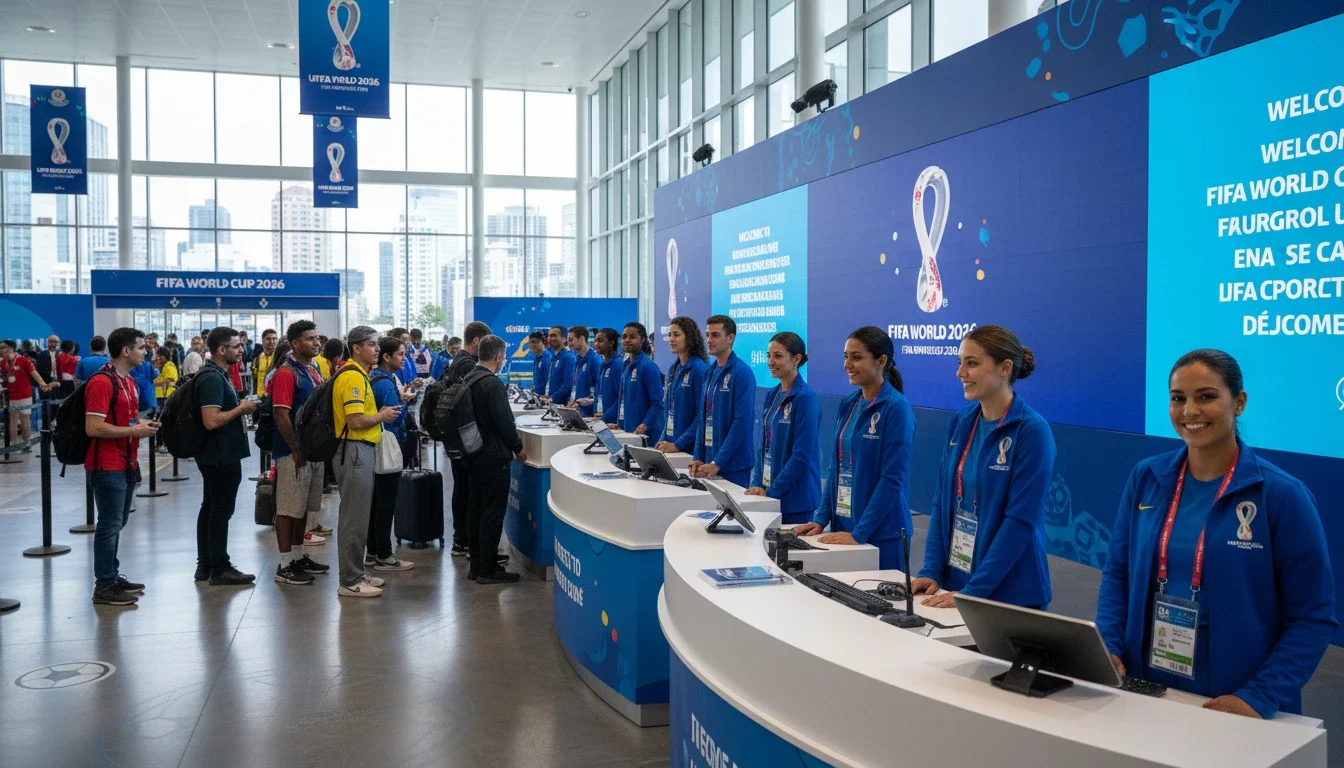
A team of professional event staff in branded uniforms greeting guests at an international event check-in desk.
Role-Specific Qualities to Consider
Hospitality and Catering Staff
For bar service, food service, and VIP hospitality functions tied to the World Cup, you need staff who are certified in food handling and alcohol service (required in most U.S. states), experienced in high-volume service environments, and capable of maintaining polished presentation through a long and demanding shift. Previous experience at sports venues, hotel banquets, or large catered events is the gold standard here.
Registration and Check-In Staff
Registration teams are often the first point of contact for your guests. Their warmth, efficiency, and ability to manage queues without creating bottlenecks directly shape the first impression of your entire event. Look for candidates who are organized under pressure, comfortable with event technology and check-in systems, and naturally engaging even when processing large numbers of guests quickly.
Brand Ambassadors and Promotional Staff
If your World Cup event involves brand activation — sponsor engagement, product sampling, interactive experiences, or social media integrations — your brand ambassadors need to be genuinely knowledgeable about the brand they represent and skilled at creating meaningful conversations with strangers in a crowded, energetic environment. Passion for soccer and cultural fluency with international audiences are major advantages in this role.
Security-Adjacent and Crowd Flow Staff
Even if you are contracting licensed security separately, many event staff in floor and entry roles will be responsible for directing crowd flow, identifying capacity issues, and escalating safety concerns. These team members need basic situational awareness training, clear escalation protocols, and the composure to redirect large numbers of people calmly and assertively.
Red Flags to Watch for When Vetting Candidates
Screening out the wrong hires is just as important as finding the right ones. Watch for these warning signs:
No verifiable experience at events with more than a few hundred attendees
References who cannot speak to the candidate's punctuality or reliability
Candidates who become defensive or vague when asked about handling difficult guest situations
A lack of interest in the specifics of your event or audience — strong event professionals ask questions
Uncertainty about performing physically demanding shifts or discomfort with the event's schedule
No experience with any form of customer service outside of event work — pure industry inexperience
Inability to name a problem they have proactively solved during an event
These are not automatic disqualifiers in every case, but each one warrants deeper investigation before you commit.
Agency vs. Independent Hiring — Which Is Right for a World Cup Event?
The Case for Using an Event Staffing Agency
For a FIFA World Cup event — where the stakes are high, the timeline is compressed, and the operational demands are unlike most events you may have run previously — working with a professional event staffing agency offers significant advantages over independent hiring.
A reputable agency has already done the hardest parts of the hiring process for you: vetting, background checking, training, and building a roster of staff who have proven themselves at high-pressure events. When you book through an agency, you are not just hiring individuals. You are accessing a quality-controlled pipeline that comes with accountability structures: backup coverage when someone is sick, on-site coordination support, and a management team available to troubleshoot in real time.
For an event as visible as the FIFA World Cup, that accountability layer is not a luxury. It is a necessary safeguard.
What to Ask a Staffing Agency Before You Commit
Not all agencies are equipped to handle mega-event demands. Before signing with any staffing partner for a World Cup-adjacent event, ask the following:
What is your fulfillment rate for events of this size?
Do you have staff with experience at major sporting events or international conventions?
What is your contingency plan if a confirmed staff member is unavailable on event day?
Do you have bilingual or multilingual staff available for international audiences?
What does your pre-event briefing process look like?
Are your staff covered by liability insurance?
Can I review staff profiles before confirming the team?
An agency that answers these questions with confidence, specifics, and evidence — not generalities — is one worth trusting with your event.
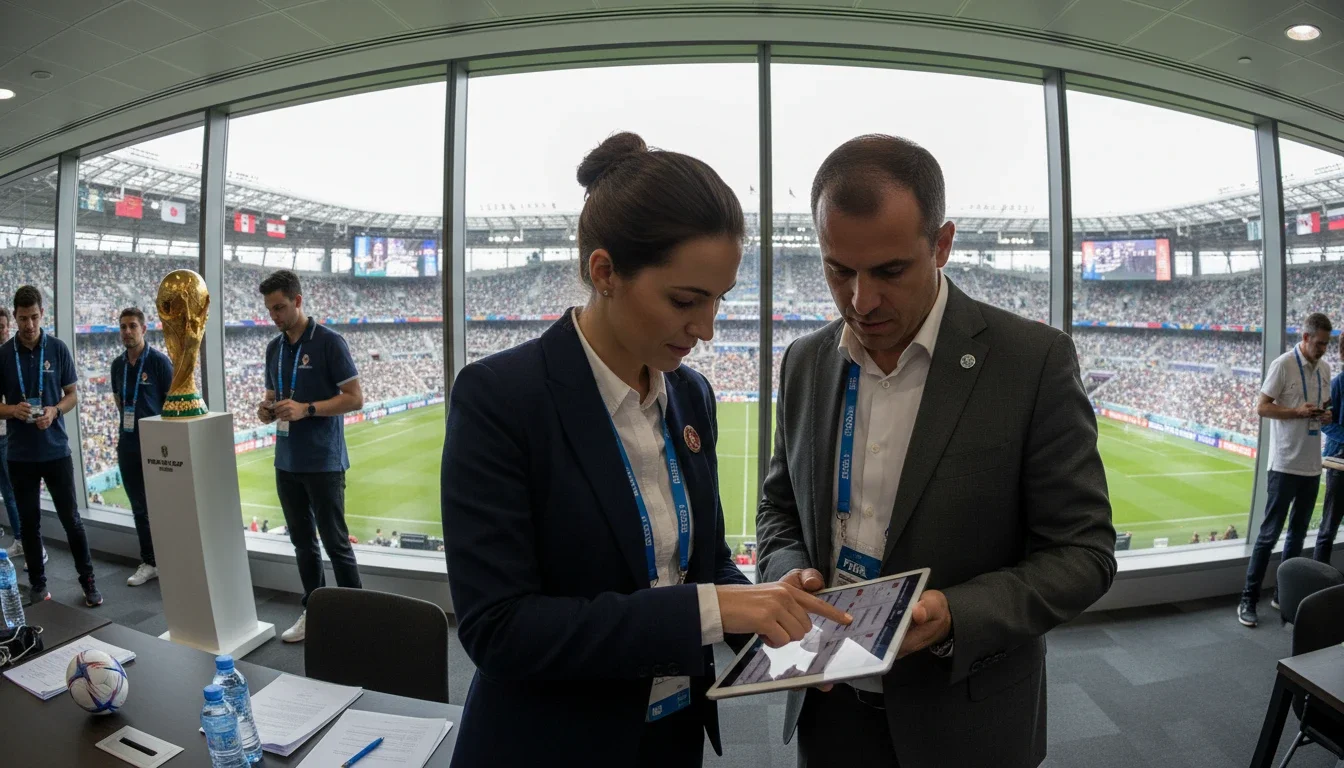
Professional event staffing coordinator reviewing a team roster with a client before a large sporting event like FIFA Worldcup.
How to Set Your Staff Up for Success
Pre-Event Briefing and Training
Even the most experienced event professionals need to understand the specific environment they are walking into. Before your World Cup event, conduct a thorough briefing that covers: the event layout and guest flow, brand guidelines and messaging (for sponsor activations), escalation protocols for security or safety concerns, communication channels and chain of command, and key FAQs about the event that guests are likely to ask.
The more prepared your staff is before the first guest arrives, the more confident and effective they will be throughout the day. Do not assume that experienced staff do not need context — they do. They just process it faster.
Contingency Planning and Backup Coverage
At an event as demanding as anything tied to the FIFA World Cup, assume that something will go differently from what was planned. Equipment malfunctions, staff illness, weather disruptions, and unexpected crowd surges are all possibilities.
Build contingency staffing into your planning from day one. Know who your on-call backups are, confirm that your staffing agency has reserve coverage available, and establish a clear process for deploying additional staff quickly if operational demand spikes unexpectedly. Events that run smoothly under pressure do so because someone planned for imperfection long before the gates opened.
Final Thoughts
Hiring event staff for a FIFA World Cup event is one of the most consequential decisions you will make in your planning process. The tournament draws the world's most passionate sports fans, and the experiences those fans have at your activation or venue will be remembered — positively or negatively — for a long time.
Prioritize experience, composure, cultural fluency, and reliability above everything else. Screen rigorously. Ask hard questions. And seriously consider partnering with a staffing agency that has a demonstrated track record at large-scale, international events.
When every interaction matters, and there are no second chances, the staff you put in front of your guests is the most important investment you can make.